TL;DR
- GLP-1 therapy changes far more than body weight—patients report shifts in shopping habits, social confidence, and how they move through everyday life.
- The psychological adjustment to rapid weight loss is real and often underestimated; planning for wardrobe changes and social re-entry matters as much as the medication itself.
- Success on semaglutide or Mounjaro isn’t just clinical—it’s a life-stage transition requiring practical preparation and honest conversations about identity and self-image.
Something strange happened to Sarah three months into her semaglutide prescription. She wasn’t just lighter—she was shopping differently. The charity shops stopped feeling like a refuge and became a proper wardrobe rebuild. She tried on clothes without the familiar knot in her stomach. She caught her reflection in shop windows without immediately looking away. These aren’t the sorts of changes your GP talks about when discussing GLP-1 weight loss lifestyle changes, yet they’re precisely what’s happening to thousands of people across the UK right now.
Recent reporting from the BBC and Guardian has documented something the clinical literature doesn’t yet fully capture: the seismic behavioural and emotional shift that accompanies GLP-1 therapy. It’s not just weight loss. It’s a recalibration of how people navigate the physical and social world—and it demands a completely different kind of preparation than most patients receive.
Beyond the Numbers: What GLP-1 Actually Changes
Semaglutide and Mounjaro are GLP-1 receptor agonists originally designed to manage type 2 diabetes. They suppress appetite, slow stomach emptying, and alter how your brain perceives fullness—elegant pharmacology, genuinely effective. But the clinical outcome (weight loss) is where the story begins, not where it ends.
What the data shows is striking. Patients losing 15–20% of their body weight aren’t just getting smaller; they’re experiencing what researchers increasingly call “behavioural plasticity”—a reconfiguration of habits, social patterns, and daily choices that ripples outward.
The Shopping Transformation
High street retailers have noticed it. Clothing chains report unexpected shifts in purchasing behaviour amongst GLP-1 users. People who spent years buying the same size are suddenly cycling through wardrobes—not gradually, but rapidly. The psychological impact of this is wildly underestimated.
Consider the practical reality: you’ve spent a decade shopping in certain shops, certain sections, certain styles. Your wardrobe is built around concealment strategies you’ve perfected. Then, over twelve weeks, your body changes so fundamentally that none of it fits. Some people find this exhilarating. Others find it disorienting, even grief-stricken. Which is worth knowing before you start treatment.
Savvy patients begin planning this transition before they even collect their first injection. They budget for a capsule wardrobe—maybe 6–8 key pieces they can mix and match through each size bracket. They photograph their current body not for social media, but for their own memory. They acknowledge that clothes are never purely functional; they’re a conversation between you and the world about who you are.
The Social Recalibration
Weight loss of this magnitude doesn’t happen invisibly. Friends, family, colleagues—they all notice. And they all have opinions, questions, sometimes resentment. Some people will celebrate your transformation. Others will unconsciously resist it, as though your change somehow implies a judgment on their own bodies. This is exhausting and real.
Patients report needing to renegotiate relationships. A gym buddy who was supportive suddenly feels competitive. A partner who encouraged you to lose weight panics when you actually do. Social groups built partly on shared “larger person” identity shift awkwardly. You’re the same person, but everyone’s treating you differently—which means you have to figure out who you actually are, separate from the weight that used to define the interaction.
The Psychology of Rapid Transformation on Mounjaro Life Changes
This is where most NHS information stops short. NICE guidance on GLP-1 medications covers clinical efficacy and side effects meticulously. It doesn’t prepare you for identity crisis.
The human brain builds a sense of self partly through physical experience. If you’ve spent twenty years moving through the world in a larger body, navigating tight spaces, avoiding mirrors, planning routes to avoid stairs—that physical experience has become part of your neural map. When your body changes faster than your brain can process, you get a peculiar dissociation. Some patients describe looking in the mirror and not recognising themselves. Others feel like a fraud, waiting for the “real” them to come back. A few describe genuine grief for their former self, despite hating how they felt in that body.
These aren’t side effects of the medication. They’re side effects of rapid, sustained weight loss—and they’re entirely normal. But they’re also entirely preventable with proper psychological scaffolding.
Reframing Confidence and Body Image
The narrative around weight loss medication usually goes: “You’ll feel more confident.” True, often—but it’s more complicated than that. Research on semaglutide body confidence transformation shows that physical confidence often rebounds quickly, but emotional confidence takes longer. You might fit into clothes at size 12 before your brain believes you deserve to wear them publicly.
Some patients experience what therapists call “imposter syndrome in reverse”—the suspicion that others will judge them for having “cheated” with medication, or that their success isn’t “real” because they didn’t lose weight through willpower alone. (This is nonsense, incidentally. Medicine is medicine. Using it is not cheating. But the feeling persists regardless.)
The practical response: before starting GLP-1 treatment, work with a therapist or counsellor—ideally someone who specialises in weight-related trauma or body image. Not because there’s something wrong with you, but because you’re about to undergo a significant life change, and you deserve expert support for the psychological dimensions of it.
Ready to understand what GLP-1 treatment might mean for your life—not just your waistline?
Complete our free assessment →
Practical Life Changes: Shopping, Social Life, and Daily Habits
Let’s get concrete. Here’s what actually shifts.
Wardrobe Planning
Budget roughly £200–400 for transitional pieces if you’re losing significant weight. You don’t need a complete new wardrobe; you need strategic overlap. A good pair of jeans in your current size. A slightly looser shirt. Layering pieces that work at multiple sizes. Stretchy fabrics buy you time between size changes.
Consider also: what clothes have you always wanted to wear but felt unable to? A specific style, colour, or silhouette? Write that list before you start treatment. Not to torture yourself, but to give yourself permission to explore it as your body changes. Small acts of agency matter psychologically.
Movement and Physical Space
Patients report unexpected changes in how they move through the world. Seats that used to feel tight become comfortable. Stairs feel less punishing. Doors feel wider. These tiny physical shifts accumulate into a different relationship with space—and with possibility. You might find yourself walking further, trying activities you’d written off as impossible, moving with less self-consciousness.
This isn’t about becoming “athletic” or suddenly joining a gym. It’s about reclaiming physical ease, which is genuinely valuable and worth acknowledging.
Eating and Social Meals
GLP-1 medications suppress appetite, but they also shift your relationship with food. Meals become quieter. Portions shrink. The compulsive quality that some people experience around eating often just… vanishes. This is wonderful, but it’s also a behavioural change that ripples into social life.
Dining out looks different. You order less, finish less, think about food less between meals. If your social life has centred on food—restaurants, cooking, sharing meals—you’ll need to renegotiate those rituals. Some people find new ways to socialise around food (cooking classes, markets). Others shift focus to activities that never involved eating. Both are valid.
What Nobody Tells You: The Adjustment Timeline
Physical adaptation takes weeks. Your body adjusts to smaller portions, learns to respond to the medication, settles into a new normal with energy levels and digestion.
Psychological adaptation takes months. Maybe longer.
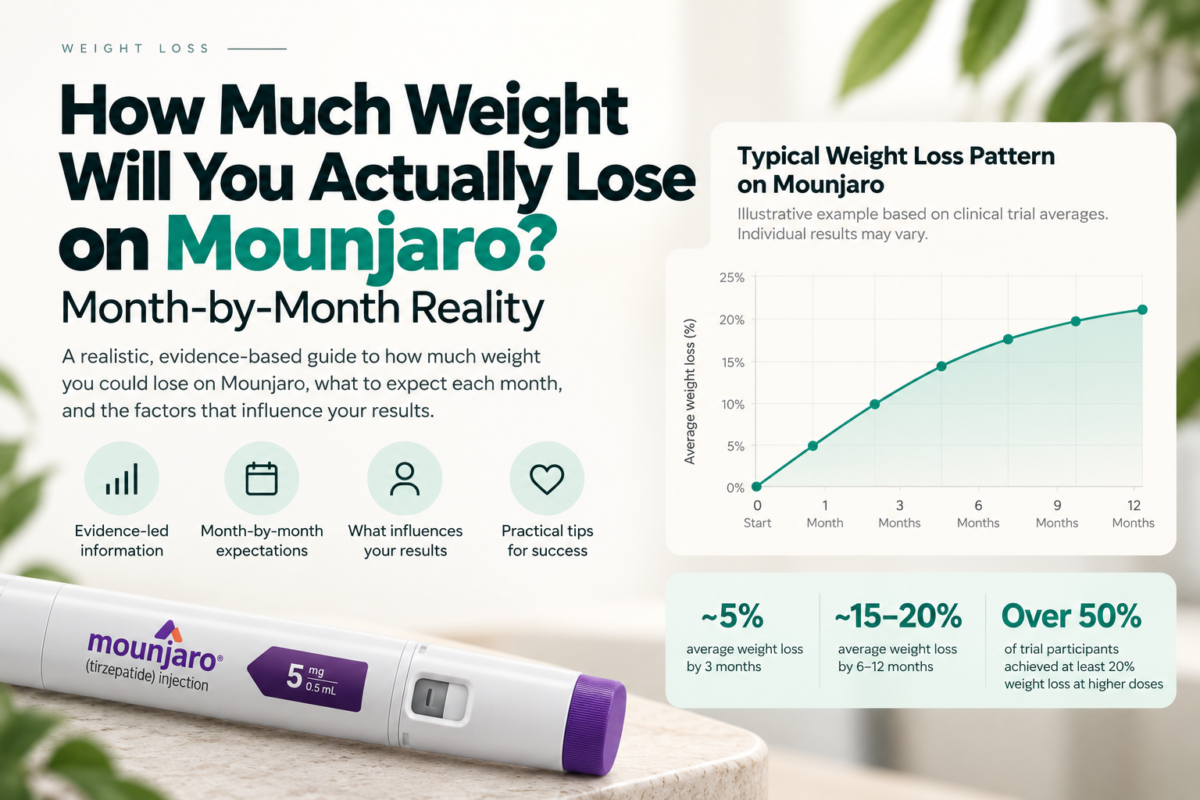
At three months, you’re still adjusting. At six months, you’re probably recognising yourself but still navigating social shifts. At twelve months, you’re genuinely integrated into your new reality—though you might still catch yourself with old thoughts or patterns.
The research on weight loss medication psychological adjustment UK is still emerging, but patient testimonies cluster around a similar timeline. Plan for this. Don’t expect to feel fully “settled” in your new body and life within the first few months, because you won’t.
Frequently Asked Questions
Will I lose weight on semaglutide if I don’t change my diet?
The medication suppresses appetite, so many people naturally eat less without consciously restricting. But sustained weight loss relies on a calorie deficit, which usually means some dietary awareness. You don’t need to diet obsessively—in fact, most patients find they can’t eat large volumes, so restriction happens naturally. That said, food quality still matters for energy, digestion, and overall health.
How quickly will my body change on Mounjaro?
Most people see noticeable weight loss within 4–8 weeks, with the rate stabilising after 3–4 months. But everyone’s different—metabolism, starting weight, and adherence all factor in. Expect change to be steady rather than dramatic, which is actually healthier for your skin, joints, and mental adjustment.
Will my clothes fit as I lose weight?
Almost certainly not, at least not perfectly. Expect to need new clothes as you drop one or two sizes, because the fit of your existing wardrobe will feel wrong—too loose, unflattering, or just uncomfortable. Some people cycle through sizes rapidly; others plateau. Plan for wardrobe transitions, not replacements.
What if people judge me for using medication to lose weight?
Some will. That’s their issue, not yours. GLP-1 medications are MHRA-approved, clinically effective, and legitimately helpful—not a shortcut or a cop-out. Using medicine to manage weight is exactly as valid as using medicine to manage blood pressure or anxiety. If someone suggests otherwise, they’re either misinformed or unkind, possibly both.
Can I go back to my old eating habits if I stop taking GLP-1 medication?
Technically yes, but most people find their relationship with food has changed permanently. The medication resets your appetite regulation; even after you stop, many people maintain smaller portions and less food obsession. That said, weight can return if you revert entirely to old patterns—which is why long-term weight management usually involves ongoing lifestyle adjustment, not just medication.
The Real Transformation
The numbers matter—a patient losing 20kg to 30kg has genuinely improved their metabolic health, reduced strain on joints, and lowered disease risk. Recent clinical trials show semaglutide reduces cardiovascular risk in people with obesity, which is significant.
But the transformation that GLP-1 patients report most often isn’t measured in kilograms. It’s measured in moments: trying on a shirt without bracing for disappointment, catching your reflection without flinching, walking upstairs without planning your breathing. It’s the small freedom of moving through the world without constant body awareness. That’s the real reset—and it’s worth preparing for properly.