TL;DR
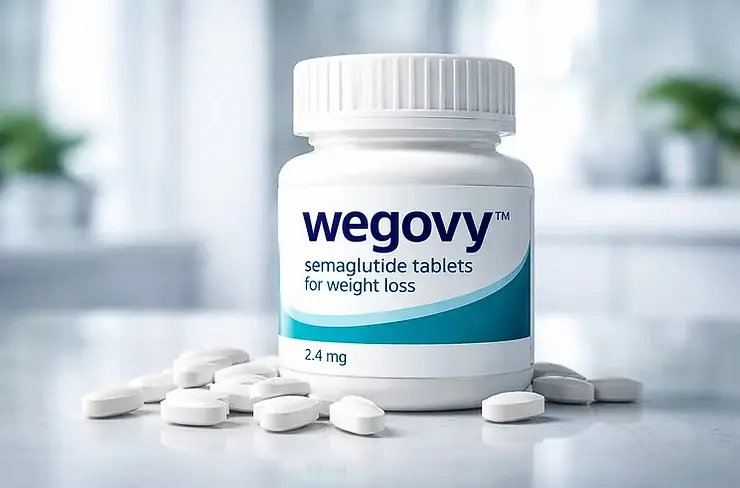
- Oral semaglutide tablets are now stocked in UK pharmacies and online—you no longer need injections to access GLP-1 treatment.
- Pharmacy access is faster and cheaper for some, but supervision catches contraindications, drug interactions, and side effects your GP might miss.
- Choose unsupervised pharmacy purchase if you’re low-risk and confident; choose supervised care if you’re on other medications, have health conditions, or need dose adjustments.
The semaglutide tablet landed in British pharmacies this summer with less fanfare than you’d expect for a drug that’s already changed weight loss conversations across the world. No queues, no national news cycle—just quiet availability on Boots shelves and online dispensaries, nestled between the antihistamines and the sports nutrition powders. If you’ve been waiting for oral semaglutide to become accessible in the UK without injections, that wait is over. The question now isn’t whether it’s available. It’s which route makes sense for you.
The shift from injectable Wegovy (which arrived in 2022) to tablet form is genuine progress. Tablets are easier to store, simpler to use, and psychologically less daunting for people who faint at the sight of a needle. For some patients, this means the barrier to starting GLP-1 treatment has simply vanished. For others, it’s created a fork in the road—and knowing which path to take requires more than just checking what’s in stock at your local chemist.
What’s Changed: Pharmacy Availability Explained
Until mid-2026, oral semaglutide in the UK was available exclusively through regulated private prescription services and NHS pathways. You needed a clinician’s assessment, a prescription, and usually a consultation fee. Now? You can walk into a pharmacy, ask for a tablet, and—if you meet basic criteria—walk out with a month’s supply.
The MHRA approved semaglutide tablets for weight management in December 2023, but uptake by high-street pharmacies was slower than injectable formulations. Supply chain inertia, training requirements, and the fact that injections carried higher profit margins all played a role. By July 2026, that had shifted. Major chains including Boots, Lloyds, and independent dispensaries now stock oral semaglutide tablets at 3mg, 7mg, and 14mg doses.
Online pharmacies moved faster. Several now offer same-day delivery in London and next-day turnaround across most of the UK. You’ll need to complete a basic online health questionnaire—usually ten to fifteen questions about weight, blood pressure, and current medications—but there’s no requirement for a video consultation with a doctor. A pharmacist reviews your answers and either approves or declines the sale. Simple. Transactional. Quick.
Prices have also dropped. A month’s supply at the starting dose (3mg) now costs around £65–£85 through independent pharmacies, compared to £150–£180 through private supervised services just two years ago. That matters when you’re facing months or years of treatment.
The Case for Buying Direct from a Pharmacy
Let’s be honest: supervised care has friction. You book a consultation. You wait. You answer detailed health questions. You pay. You collect your prescription. If something goes wrong, you contact your clinician and wait again. If you’re young, broadly healthy, taking no regular medications, and you’ve already done your homework on semaglutide, that overhead feels unnecessary.
Pharmacy-direct access cuts through all of it.
You get treatment faster. You spend less money. You maintain privacy (no conversation with a doctor about your weight or eating habits if that feels intrusive). And frankly, for some people, that autonomy matters. We live in an era where patients research their own health obsessively, understand drug mechanisms better than their GPs do, and resent being gatekept from treatments they’re confident suit them.
The online questionnaires used by pharmacies are evidence-based. They screen for the main contraindications: personal or family history of medullary thyroid cancer, type 2 diabetes already managed with insulin, pregnancy, and severe kidney or liver disease. If you don’t have those, and your blood pressure is below 180/110, you’ll likely be approved. A pharmacist’s review isn’t as granular as a doctor’s assessment, but it’s not reckless either.
You also get support. Most pharmacies offer free follow-up consultations with their pharmacy team—not a doctor, but a trained clinician who can advise on nausea management, ensure you’re titrating doses correctly, and flag unexpected side effects. That’s more than you’d get walking out of a supermarket with a packet of statins.
Why Supervised Care Still Wins—And When It Matters Most
Here’s where the conversation gets uncomfortable. Pharmacy questionnaires are designed to catch the obvious red flags. They do that job well. What they don’t catch—because they can’t, within the constraints of a ten-minute online form—are the complicated cases.
Say you’re 52, overweight, and you take metoprolol for blood pressure plus sertraline for anxiety. The pharmacy form asks if you take regular medications. You tick yes. It approves you anyway, because neither drug directly contradicts semaglutide. But you’re at higher risk of semaglutide-related hypotension when combined with a beta-blocker, and sertraline increases your risk of gastrointestinal side effects. A doctor might start you on a lower dose, brief you more thoroughly on symptoms to watch for, and book a follow-up blood pressure check in two weeks. The pharmacy will send you home with standard dosing instructions and a leaflet.
That’s not a pharmacy failure. It’s a systems limitation.
Or consider this: you’ve had weight loss surgery in the past, or you have inflammatory bowel disease, or you’re on a medication that slows gastric emptying. Semaglutide itself slows gastric emptying—and combining effects can trigger severe constipation or pancreatitis risk. A clinician catches that in a five-minute history. An online form doesn’t.
Then there’s the psychological piece. GLP-1 treatment works partly because the drug reduces appetite, but also because you change your relationship with food. For some people, that transition happens smoothly. For others, restrictive eating patterns emerge, or disordered thoughts around food intensify. A supervised clinician notices mood shifts, asks about eating patterns, and can pause treatment or refer you to behavioural support. A pharmacy can’t.
There’s also the monitoring question. Recent studies on long-term GLP-1 use suggest that periodic blood work—thyroid function, kidney markers, pancreatitis risk—improves safety outcomes, especially beyond six months of treatment. A supervised service builds that in. A pharmacy sale doesn’t.
So the supervised care angle hasn’t disappeared. It’s just become optional rather than mandatory—which is the right move, provided patients can make that choice with clear eyes.
Not sure whether to buy direct or get supervised? Our clinicians can review your health history and help you decide the safest path forward.
Start your free assessment →
How to Choose: A Simple Framework
Go direct to a pharmacy if…
- You’re under 45, with no significant health conditions
- You’re not on regular medications (or only on one, like an antihistamine or vitamin)
- Your BMI is above 30 but below 50
- You’ve researched GLP-1 thoroughly and feel confident managing side effects
- Cost is a genuine barrier to care
Choose supervised care if…
- You’re over 50 or have a history of cardiovascular disease
- You take two or more regular medications
- You have diabetes, kidney disease, thyroid disorder, or previous pancreatitis
- You’re pregnant, planning pregnancy, or breastfeeding
- You have a personal or family history of medullary thyroid cancer
- You want dose adjustments based on your individual response
- You want ongoing monitoring and behavioural support
The middle ground is real too. You might start pharmacy-direct because you’re low-risk and want to test tolerance, then move to supervised care once you’ve found your effective dose and want longer-term support. That’s entirely sensible.
What to Expect: The Practical Differences
Pharmacy purchase is straightforward. You complete the form online or in-store. You’re approved or declined within hours. You collect or receive your first pack within 1–3 days. The tablets come with standard Patient Information Leaflets, and you start at 3mg weekly, increasing every week until you reach your target dose (usually 7mg or 14mg) or side effects become uncomfortable.
Supervised care takes longer but covers more ground. You’ll complete a detailed medical history, have a consultation (video or phone) with a doctor, and get a personalised prescription. Your clinician will explain how to take the tablets, what side effects to expect, and red flags to watch for. You’ll have a follow-up check at two to four weeks, blood pressure monitoring, and access to a clinician if you hit problems.
Cost-wise, pharmacy direct is cheaper upfront: roughly £65–£100 per month. Supervised care costs £150–£300 initially (consultation + prescription), then £80–£150 per month for ongoing supply and support. Over a year, that’s a difference of around £400–£800, which is significant if you’re on a tight budget.
Side Effects: Same Drug, Different Support
Semaglutide tablets cause the same side effects whether you buy them from a pharmacy or a supervised service. Nausea is commonest, especially in the first fortnight. Some people get constipation, tiredness, or loss of appetite that feels extreme rather than helpful. Rare but serious side effects include gallstones, pancreatitis, and severe hypoglycaemia if you’re on diabetes medication.
The difference isn’t in the side effect profile. It’s in how quickly you get support when something feels wrong.
Phone a pharmacy and you’ll speak to a trained technician or clinician within a few hours. They can advise on nausea management, confirm whether you should pause your next dose, or refer you to a GP if needed. Phone a supervised service and you’ll reach a doctor, usually within 24 hours, who can adjust your dose or investigate more complex problems. Both are better than sitting at home worrying you’ve done something dangerous—which is where a lot of people end up if they bought from a pharmacy, hit a side effect they weren’t warned about, and felt unsupported.
This is where the “cheaper is better” argument breaks down. If you buy direct and then spend £200 on an emergency GP visit or A&E assessment because you thought you were having a heart attack (you weren’t—it was semaglutide-related palpitations), the savings evaporate.
Frequently Asked Questions
Can I get a prescription from my NHS GP to buy oral semaglutide from a pharmacy?
Unlikely. The NHS recommends semaglutide (Saxenda injection) only for people with a BMI above 30 and weight-related health problems, and even then availability varies by region. GPs rarely prescribe Wegovy tablets. Your options are private supervised services or pharmacy direct.
Is it safe to buy oral semaglutide without a doctor’s consultation?
It’s safer than it sounds, provided you complete the questionnaire honestly and you’re genuinely low-risk. But “safe” and “optimal” aren’t the same word. A doctor catches nuances—contraindications, drug interactions, dose tailoring—that a pharmacy form can’t. The question is whether that added optimisation is worth the cost and wait time for you personally.
How long does it take to see results with the tablet form?
Most people notice appetite suppression within three to five days of starting 3mg, though weight loss takes longer—typically 2–4kg in the first month, accelerating as you titrate to your target dose. Results flatten after 12–18 months, which is why long-term support and behavioural change matter more than the drug alone.
What happens if I buy from a pharmacy and then need supervised care?
You can switch anytime. A supervised clinician will review your current dose and response, adjust if needed, and take over monitoring. There’s no penalty for moving between routes, though you’ll want to share your pharmacy records so your new clinician understands your history.
Are pharmacy-sold tablets the same quality as prescribed ones?
Yes. All semaglutide tablets sold in UK pharmacies are MHRA-licensed, manufactured to the same standards, and supplied from the same wholesalers regardless of whether you buy supervised or direct. The drug is identical. The support infrastructure differs.
The Bottom Line
Oral semaglutide tablets are now genuinely accessible in UK pharmacies—which means the old conversation about whether you can get GLP-1 treatment is over. The new conversation is about how you access it. Pharmacy-direct purchase works brilliantly for low-risk people who’ve done their homework, want speed and cost savings, and feel confident managing a straightforward treatment course. Supervised GLP-1 care makes sense if you’re complicated, want ongoing optimisation, or value the security of a clinician you can ring when things feel wrong. Both paths beat doing nothing whilst you scroll through Reddit weight loss forums at midnight. What matters is that you choose deliberately, not by accident.