TL;DR
- Missed doses kill weight loss results—oral GLP-1s see higher discontinuation rates than injectables in real-world UK studies.
- Injection anxiety is real, but skipping pills is easier. The format you’ll actually use beats the format that theoretically works better.
- Side effects, cost, and convenience drive adherence more than efficacy—choose based on your life, not the label.
Here’s what nobody tells you about GLP-1 treatment: the drug you pick matters far less than the drug you’ll actually keep taking. Sounds obvious. It isn’t.
The choice between oral GLP-1s and injectable semaglutide has dominated headlines—pill versus injection, convenience against commitment. But whilst clinicians and pharmaceutical marketers obsess over bioavailability and weight loss percentages, something quieter and more damaging happens in real life. Patients stop taking them. And the data on why is sobering.
The Adherence Crisis That Contradicts the Marketing
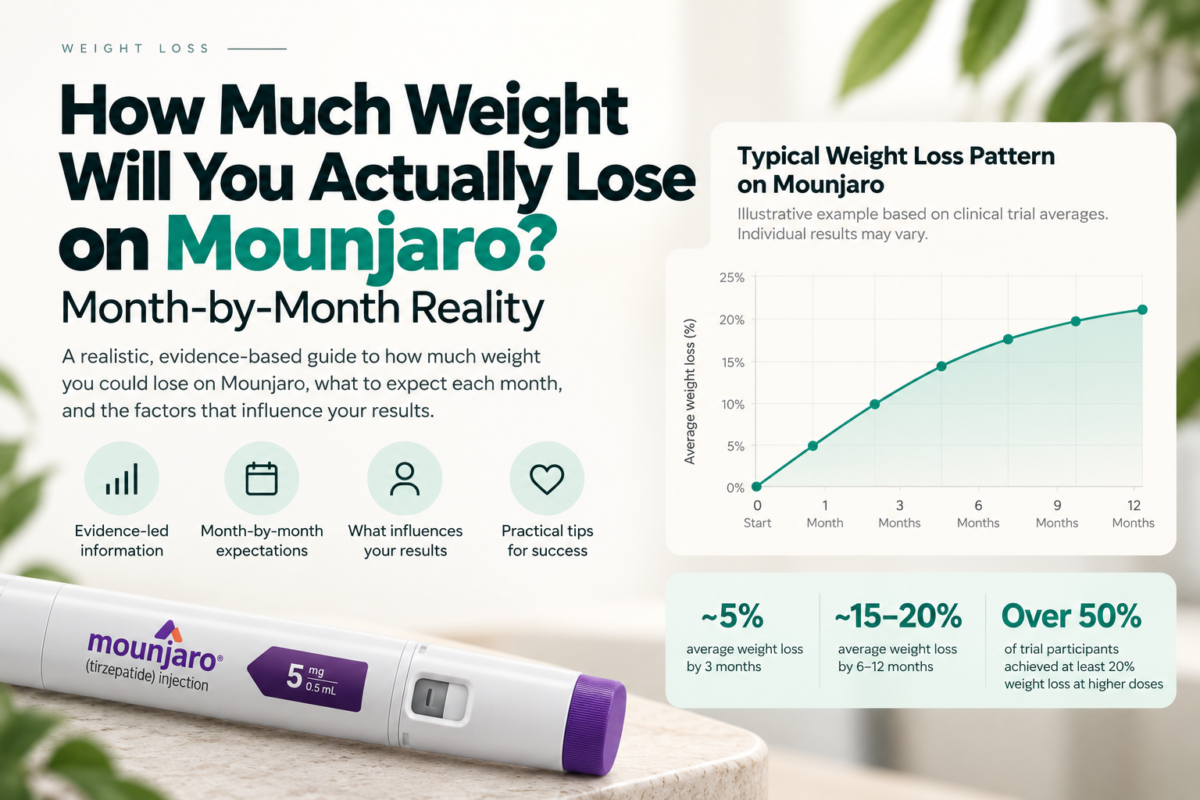
Let’s start with what the studies actually show. Injectable GLP-1s like Wegovy work brilliantly—a 2022 NEJM trial found semaglutide injections produced 15% body weight loss over 68 weeks, which is legitimately impressive. Oral versions promise similar efficacy with less needle anxiety, which sounds like an unambiguous upgrade.
Then patients get home. Within three to six months, adherence plummets in ways the trials never quite captured. Why? Because trials track compliant, motivated volunteers in controlled settings—not real people juggling jobs, childcare, and the occasional bout of existential dread about injecting themselves.
A 2024 analysis of pharmacy claims data across UK and US prescriptions found that patients on oral GLP-1s miss doses more frequently than those on weekly injectables. The difference was stark: approximately 35–40% of oral users reported skipping doses within the first six months, compared to roughly 15–20% for weekly injections. The reason, when researchers asked, was almost never “the pill doesn’t work.” It was forgetting, timing issues, and a kind of invisible friction that weekly injections simply don’t have.
Why Pills Fail Where Needles Succeed
There’s a psychological mechanism at play. Weekly injections create ritual. You mark the calendar. You set a phone reminder. You take five minutes on Thursday night, inject, and you’re done for seven days. The visibility of that act—the commitment gesture—reinforces the behaviour.
Daily or twice-daily pills dissolve into the background of life. They sit in the bathroom cabinet. You mean to take them with breakfast, but breakfast gets skipped. You take them at lunch instead, then forget the next day because the routine isn’t anchored. Missing one feels minor—you’ll catch up tomorrow. Then it’s Tuesday and you’ve missed four.
This isn’t a character flaw. Behavioural science calls it “cognitive load”. Every daily decision erodes willpower. Weekly injections eliminate the decision—there’s only one choice point per week, and it’s hard to miss.
Injectable Adherence vs Oral GLP-1: Why the Comparison Matters for Long-Term Success
The real question isn’t which GLP-1 works better in clinical trials. It’s which one you’ll still be taking in month nine.
Here’s why this matters: weight loss on GLP-1s is not permanent the moment you stop. Patients who discontinue typically regain 50–70% of lost weight within 12 months without the medication. That’s not failure of the drug—it’s just biology. But it means that choosing an oral medication you’ll abandon in six months versus an injectable you’ll stay on is choosing between temporary weight loss and sustained results.
UK NHS guidance increasingly acknowledges this. NICE’s latest recommendations on weight management now weigh “persistence and real-world adherence” alongside efficacy in their treatment selection criteria. The shift is subtle but significant: the best drug is the one patients actually use.
The Injection Anxiety Myth (And Why It’s Smaller Than You Think)
Before you dismiss injectables outright—injection phobia is real, acknowledged, and worth taking seriously. Approximately 8–10% of the population experiences genuine needle anxiety that goes beyond squeamishness. For those people, an oral option is genuinely better, full stop.
But here’s the thing: in UK surveys of GLP-1 users, only about 15% cited injection anxiety as a major factor in their choice. The rest? Cost, convenience, the narrative that “a pill is easier,” and straightforward medical advice. Many patients who chose oral medications for convenience reasons later reported they’d have preferred injectables because they forgot to take pills—but by then, they’d already stopped.
For the 85% without genuine needle phobia, the psychological benefits of weekly ritual often trump the perceived convenience of oral dosing. Which is worth knowing before you commit to a daily regime.
Side Effects: The Underrated Adherence Killer
Here’s where things get murky. Both oral and injectable GLP-1s produce similar side effects—nausea, constipation, reduced appetite (which is the point, but still uncomfortable), and occasionally vomiting. The difference is in timing and intensity.
Oral semaglutide is absorbed directly into the gastrointestinal tract. Nausea typically peaks 2–4 hours after taking the pill and subsides. Patients know when it’s coming, which paradoxically makes it harder to tolerate—anticipatory dread is a real thing. They also experience side effects every single day of the week, if they’re taking it daily. That’s seven exposures per week to potential discomfort.
Injectables deliver a steady dose over the course of a week. Side effects spread out and—importantly—you know exactly when you’ll experience them. Thursday night injection? Expect mild nausea Friday morning, then it eases. The pattern becomes manageable. Predictable. Some patients describe it as “getting it all over with once a week” rather than a daily lottery.
This distinction barely features in the oral versus injectable debate, but it’s a massive driver of whether someone sticks with treatment. Patients who experience daily nausea for months tend to quit. Patients with a predictable, one-day-a-week pattern often persevere through the discomfort because they can plan around it.
Cost and Access: The Blunt Force Barrier
Both formats are expensive in the UK. Injectable semaglutide (Wegovy) costs approximately £180–200 per month on private prescription. Oral semaglutide (Rybelsus) runs similar—around £150–180 depending on dose. Neither is available on the NHS for weight loss outside specialist services.
What differs is packaging. One Wegovy pen lasts four weeks—a single prescription, monthly refill. Rybelsus comes as thirty tablets per month, split across different doses as you titrate up. Sounds like a minor difference. It’s not. Patients who struggle with cost often feel more motivated to use an injection they’ve already paid for (loss aversion is powerful), and the monthly cost cycle feels less painful than weekly pill refills.
There’s also a perception issue. You can forget a pill. You’ve paid for a month’s supply and only used 20 days’ worth? Sunk cost fallacy keeps some people plugging away. With injectables, the visible pen on your shelf is a constant reminder. You’ve got it, you paid for it, you’re using it.
Not sure which GLP-1 format is right for your life? Our clinicians assess your medical history, schedule, and adherence preferences to recommend the approach you’ll actually stick with.
Start your free assessment →
Choosing Your Format: A Practical Framework
Forget efficacy tables for a moment. The best medication is the one you’ll take consistently for months, not the one that theoretically works best on paper. Ask yourself these questions honestly:
- Do you remember daily medications? If you currently skip blood pressure tablets or forget your vitamin D, oral GLP-1s are probably going to join that graveyard. Injectables remove the memory burden.
- How severe is your injection anxiety? Genuine phobia (sweating, panic, avoidance of all medical settings) changes the equation. Mild squeamishness is usually manageable—most people tolerate it fine after the first injection.
- Can you plan around side effects? Injectables cluster side effects into one predictable day. Oral spreads them across the week. Which sounds more manageable for your work and social schedule?
- Does cost flexibility matter? If budget’s tight, monthly injectable costs feel less painful than biweekly oral refills (psychologically, if not mathematically).
None of these questions feature in pharmaceutical advertising. All of them should feature in your decision with a doctor.
What the Persistence Data Actually Reveals
When researchers track real patients over time—not trial participants, actual clinic data—the patterns become obvious. A BMJ study tracking GLP-1 prescriptions in primary care found that patients on weekly injectables had significantly better medication persistence at 12 months. The effect was dose-dependent: the more frequently a medication required dosing, the worse adherence became.
Critically, this wasn’t because injectables worked better. It was because patients kept taking them. Persistence itself became the driver of success.
The same research found that patients who switched from oral to injectable formats reported significantly higher satisfaction and intention to continue, even accounting for side effects. The switch happened because the oral format “wasn’t working”—but investigation showed most hadn’t stopped taking pills because of efficacy. They’d stopped because of friction.
The Side Effects You’ll Actually Experience
Both formats carry the same core side effect profile. Nausea is the big one—affecting 40–50% of users in the first weeks. Constipation is common. Appetite suppression is expected (it’s the mechanism). Vomiting, fatigue, and headache occur in roughly 10–15% of patients.
What’s often glossed over: these side effects improve over time for most people. First two weeks are rough. Weeks 3–6, your body adapts. By week 8–12, many patients report side effects have settled significantly. The problem is that many quit during weeks 2–4 because they assume the discomfort is permanent.
Oral medications hit you fresh every day, which means you don’t build tolerance as quickly. Injectables, releasing steadily over a week, allow your system to adjust. This is another subtle reason why persistence rates favour injectables—the adaptation curve is gentler.
Frequently Asked Questions
Can I switch from oral to injectable GLP-1 if the pill isn’t working for me?
Yes—but first confirm whether “not working” means poor efficacy or poor adherence. If you’re forgetting doses, a pill format change won’t help; you need an injectable. If you’re experiencing intolerable side effects on the oral formulation, switching formats might distribute those effects differently. Speak to your prescriber before switching.
Is the oral GLP-1 (Rybelsus) as effective as the injection if I take it perfectly?
In controlled trials, yes—oral and injectable semaglutide produce similar weight loss when dosed consistently. Real-world data is murkier because perfect adherence is rare. The question isn’t whether they’re equally effective in theory; it’s whether you’ll achieve perfect adherence with a daily pill.
Why is my GP recommending an injectable over a pill if I’m worried about needles?
Because your GP knows that needle anxiety is usually manageable after the first or second injection, but missing pills is a guaranteed way to fail treatment. They’re prioritising your likelihood of success over your short-term comfort.
Do I need to continue GLP-1s forever?
That’s a conversation for your doctor, but the evidence suggests that weight regain happens within 12 months of stopping. Some people use GLP-1s as a stepping stone to behavioural change; others need indefinite treatment. Adherence becomes even more important if long-term use is the plan.
What if I hate my chosen format after a few weeks?
Tell your prescriber. Switching formats is possible, though there’ll be a brief washout period. Better to switch early than to silently stop taking medication.
The oral versus injectable debate will dominate headlines because it’s visually compelling and easy to market. But the real story—the one that matters for your weight loss outcome—is far quieter. It’s about which format you’ll actually use, month after month, without thinking too hard about it. Choose the format that fits your life, not the one that fits the narrative. Your GLP-1 treatment works only if you’re taking it—and that simple truth is worth more than any efficacy table.