TL;DR
- GLP-1 drugs impair your body’s ability to regulate temperature and trigger thirst, leaving you more vulnerable to dehydration in heat.
- Semaglutide and Mounjaro users should drink steadily throughout the day, avoid peak sun, and watch for dizziness, nausea, or rapid heartbeat.
- Heat stress on GLP-1s can worsen side effects and, in rare cases, lead to hospitalisation — but simple precautions work.
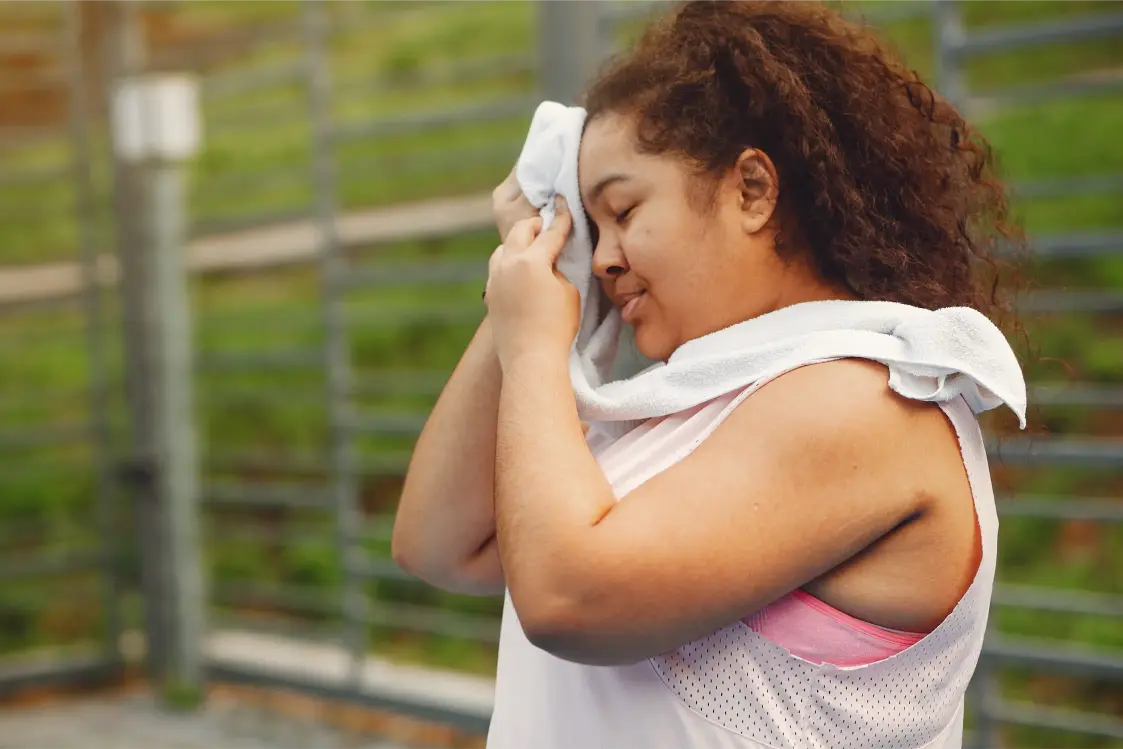
Here’s a scenario that’s playing out across the country right now: it’s 28°C, the news is warning of a heatwave, and you’ve been on GLP-1 treatment for six weeks. You feel fine-ish. You go to the supermarket for an hour. By the time you’re home, you’re lightheaded, your mouth is desert-dry, and you can’t shake the feeling that something’s off. Sound familiar?
The problem isn’t weakness or poor heat tolerance on your part — it’s pharmacology. GLP-1 drugs like semaglutide (Ozempic, Wegovy) and Mounjaro work by slowing gastric emptying and suppressing appetite signals in the brain. But they also meddle with thermoregulation — your body’s ability to sense and respond to temperature changes. Add summer heat to that disrupted system, and your risk of dehydration, heat exhaustion, and potentially heat stroke rises sharply. Which is why understanding GLP-1 heat safety matters, especially as UK temperatures climb.
How GLP-1 Drugs Scramble Your Heat Response
Your body usually detects rising core temperature via specialised neurons, then triggers sweating and sends signals that make you thirsty. Simple feedback loop. But GLP-1 agonists don’t just suppress appetite — they also affect the hypothalamus, the brain region that orchestrates temperature control. Research into GLP-1 and thermoregulation remains sparse, which is partly why this risk isn’t yet plastered across patient information leaflets. But clinical reports from heatwave periods show a consistent pattern: users report delayed thirst, reduced sweating, and accelerated dehydration.
There’s another layer. These drugs slow stomach emptying — a property called delayed gastric transit. When your stomach works slowly, water sits there longer before entering the bloodstream, meaning oral rehydration is less efficient than it would normally be. You drink, but your body absorbs the fluid more slowly. And if nausea is one of your side effects (which it is for many users), you may actively avoid drinking, thinking liquid will make you feel worse. It rarely does — but the impulse is strong enough to trip you up.
Why sweating less feels deceptive
Reduced sweating might sound like a bonus. No clamminess, no damp T-shirt. But sweat is your main cooling mechanism. Without it, core body temperature climbs faster than you’d notice, and by the time you feel hot, you’re already sliding into mild heat stress. One 2023 case study in the American Journal of Emergency Medicine documented a semaglutide user who presented to A&E with a core temperature of 39.8°C — fever-level heat — after a modest afternoon in sunshine. She hadn’t felt acutely unwell until minutes before seeking help.
Dehydration and GLP-1: A Precarious Pairing
Dehydration isn’t just uncomfortable. It amplifies every GLP-1 side effect you already experience. Nausea worsens. Dizziness intensifies. Your heart has to work harder to pump the same volume of blood around a smaller fluid pool, which can trigger palpitations or chest tightness. And if you’re on any other medications — antihypertensives, for instance — dehydration can push blood pressure dangerously low, landing you with syncope (fainting) in the middle of the supermarket aisle.
The insidious part is onset. Heat-related dehydration doesn’t announce itself like acute food poisoning. You might not realise you’re dehydrated until you stand up and the room tilts. By then, you’re several hours into a deficit.
The role of nausea in the cycle
GLP-1-induced nausea creates a vicious cycle in heat. You feel slightly queasy, so you avoid drinking. Fluid intake plummets. Dehydration worsens the nausea. So you drink even less. Some users report that taking sips of cold water or electrolyte drinks helps (cold liquid moving through the oesophagus seems to settle mild nausea for reasons not fully understood), whilst others find that only salty foods reduce the urge to avoid fluids. Neither approach is foolproof, which is why knowing your own triggers matters.
Practical Heat Safety Protocols for Semaglutide and Mounjaro Users
This is where evidence meets pragmatism. You don’t need to hide indoors all summer — you need a plan.
Hydration: steady and small
Drink before you feel thirsty. That’s the cardinal rule on GLP-1s in heat. Aim for 200ml (a large glass) of water or an electrolyte-enhanced drink every 30 minutes if you’re outdoors in warm weather. Small, frequent sips work better than large gulps, which can trigger nausea. Electrolyte drinks matter more than plain water in heat because they replace sodium and potassium lost through (reduced) sweating and help maintain blood osmolality — basically, they help your body hold onto fluid.
Coconut water, diluted sports drinks, or over-the-counter rehydration sachets all work. Avoid caffeine and alcohol, which are diuretics and will worsen dehydration.
Timing and location
Do outdoor activity or errands between 8–10am or after 6pm, when UV index and ambient temperature are both lower. If you must venture out midday, stay in shade and limit exertion. A 20-minute walk in dappled park shade is entirely different from a 20-minute walk in direct sun — don’t conflate the two.
Recognising heat stress in real time
Watch for:
- Dizziness or lightheadedness (especially on standing)
- Nausea or vomiting beyond your baseline GLP-1 side effects
- Rapid or irregular heartbeat
- Headache that doesn’t ease with paracetamol and water
- Confusion or irritability
- Absence of sweating (paradoxically, this is a late-stage warning sign)
If you experience three or more of these, get indoors, lie down, apply cool cloths, and drink an electrolyte drink. If symptoms don’t improve within 20 minutes or if you develop chest pain, severe shortness of breath, or confusion, call 111 (or 999 if you’re deteriorating rapidly).
Medications and additional considerations
If you’re on medications for blood pressure or diabetes alongside GLP-1 treatment, tell your GP you’re concerned about heat safety. Some blood pressure drugs reduce your body’s ability to compensate for heat stress. Your GP may adjust dosing during heatwaves or recommend more aggressive hydration protocols. Don’t guess — ask.
Clothing and skin
Wear light, loose cotton clothing and apply high-SPF sunscreen regularly. Sunburn impairs thermoregulation further by redirecting blood flow to the skin surface to aid healing, worsening core heat stress.
Unsure how to manage GLP-1 treatment during summer months?
Book your GLP-1 safety check →
Does Heat Make GLP-1 Side Effects Worse?
Yes. Heat stress amplifies nausea, fatigue, and appetite suppression. Some users report that heat-induced dehydration makes them feel more unwell on their injection day or in the days immediately following it. If your injections are scheduled during summer, bear this in mind — you might feel rougher than you would in winter, simply due to the compounded effects of medication plus environmental stress.
Should You Stop or Pause Your GLP-1 During a Heatwave?
No. Stopping or pausing semaglutide or Mounjaro mid-course without medical guidance risks destabilising your blood sugar (if diabetic) and triggering rebound hunger and weight regain. Instead, stick to your injection schedule and amplify your heat safety measures. If you’re genuinely concerned about a specific heatwave or have underlying health conditions that make heat stress particularly risky, speak to your prescribing clinician — they may recommend temporary lifestyle adjustments or closer monitoring, but not discontinuation.
Frequently Asked Questions
Can I exercise outdoors in summer whilst on semaglutide?
Yes, but early morning or evening only, and with aggressive hydration. Outdoor exercise in heat whilst on GLP-1 is a compounding risk — exertion raises core temperature, medication impairs heat dissipation, and reduced thirst means you won’t drink enough. Swimming (outdoors or indoors) is safer because the water itself cools you. If you must run or cycle, do it before 10am, drink 200ml of electrolyte drink every 20 minutes, and stop immediately if you feel dizzy or unwell.
Is it safe to holiday abroad on GLP-1 treatment?
It depends on your destination temperature and your individual tolerance. Mediterranean holidays (25–30°C) are manageable with careful hydration; desert climates (35°C+) are riskier, especially if you’re walking around sightseeing. Ensure you have reliable access to clean water, electrolyte drinks, and air-conditioned spaces. Inform your travel insurance provider that you’re on GLP-1 treatment (they may ask to confirm fitness to travel). Pack a written list of your medications and symptoms to show doctors abroad if needed.
What’s the difference between heat sensitivity on semaglutide versus Mounjaro?
Both are GLP-1 agonists and both impair thermoregulation, but Mounjaro (tirzepatide) is a dual GIP/GLP-1 receptor agonist, meaning it hits an additional metabolic pathway. A handful of case reports suggest Mounjaro users may experience slightly more pronounced nausea in heat, but data is too sparse to make firm claims. Treat both with equal caution in warm weather.
How much water should I drink daily on GLP-1 in summer?
Standard advice is 2 litres daily, but on GLP-1 in heat, aim for 2.5–3 litres spread across the day. Drink roughly 200ml every 30 minutes whilst awake. You’ll likely urinate more frequently — that’s normal and doesn’t mean you’re overhydrating. If your urine is dark yellow or amber, you’re dehydrated. If it’s nearly colourless, you may be overhydrating (rare, but possible). Aim for pale yellow.
Will my GP take heat safety concerns seriously?
Most will if you phrase it correctly. Rather than “I’m worried about the heat,” say: “I’m on semaglutide and I’ve read about thermoregulation effects in heat. What precautions should I take, and should I adjust my hydration or activity levels during summer?” Specific, evidence-informed questions get better answers than vague concerns. If your GP dismisses the issue, raise it with your prescribing clinic — GLP-1 providers like Evernu monitor these risks continuously.
The summer heatwave season needn’t derail your GLP-1 treatment. The drugs work, they’re effective, and they’re safe — provided you’re willing to adapt your behaviour to account for their effects on heat regulation. Drink steadily, avoid peak sun, know your warning signs, and speak up if something feels wrong. That’s all thermoregulation really is: anticipation plus vigilance.