Wegovy (semaglutide 2.4 mg) is a genuinely effective weight loss medication. Clinical trials show average weight losses of 15% of body weight over 68 weeks, and for many patients in the UK, it has been transformative. But “average” is the key word. Some people lose considerably more than 15%, while others lose less — and if you feel your results are falling short of what the medication should be delivering, you are probably wondering what you can do to maximise your outcome.
The answer is not simply to increase the dose or switch medications. In most cases, the biggest opportunities to boost weight loss on Wegovy lie in what you do alongside the medication. Semaglutide creates the conditions for weight loss by suppressing appetite and slowing gastric emptying. What you do with those conditions — how you eat, move, sleep, and manage stress — determines how much weight you actually lose and, crucially, what kind of weight you lose.
Here are five evidence-based strategies to increase weight loss on Wegovy, along with practical guidance on implementing each one.
1. Prioritise Protein at Every Meal
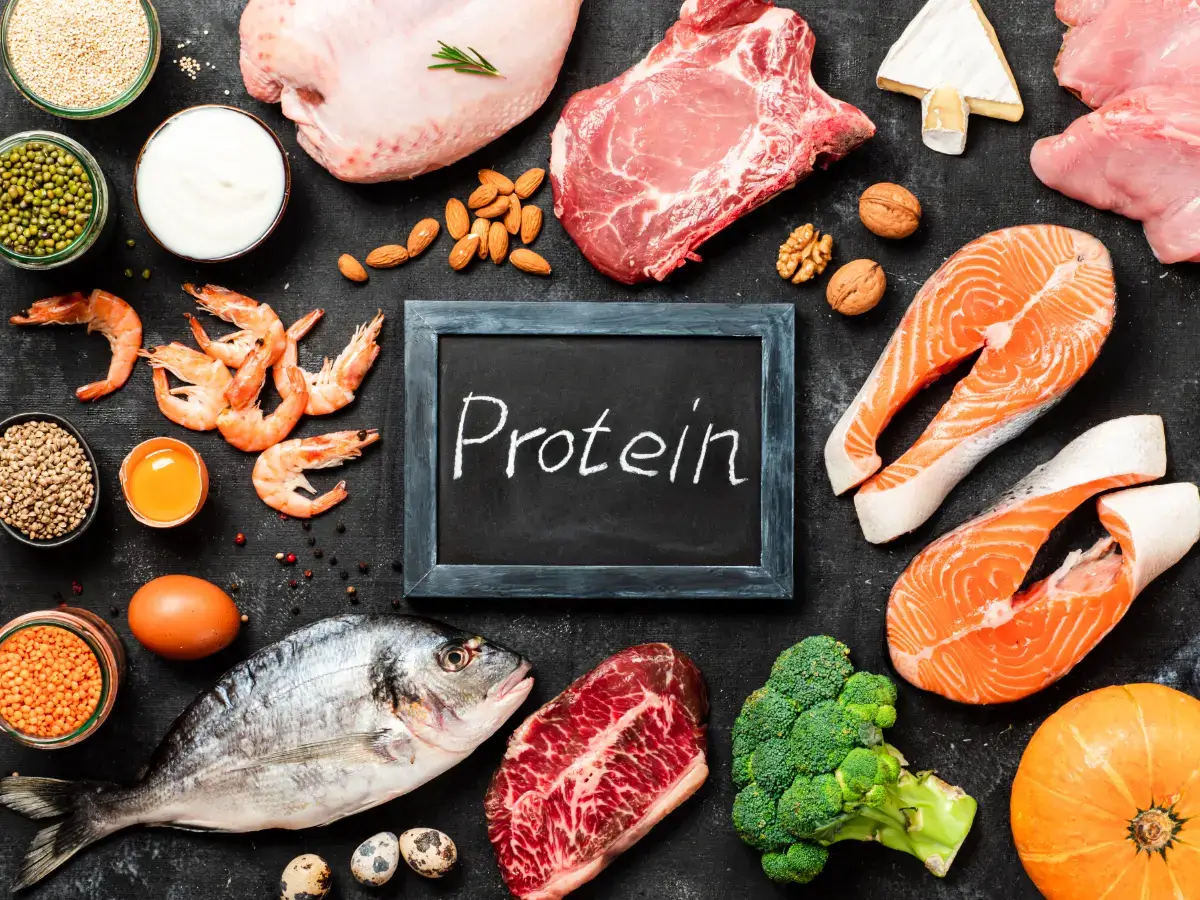
If you take only one piece of advice from this article, make it this: eat more protein. Protein intake is the single most impactful dietary factor for patients on GLP-1 weight loss medications, and it is the one that most people get wrong.
Why Protein Matters So Much on Wegovy
When Wegovy suppresses your appetite, you eat less. This calorie deficit drives weight loss. But your body does not exclusively burn fat when it is in a calorie deficit — it also breaks down muscle tissue for energy, particularly if protein intake is inadequate.
Research shows that without sufficient protein, up to 25–30% of weight lost during calorie restriction can come from lean muscle mass. This is a serious problem for several reasons:
- Metabolic slowdown: Muscle is metabolically active tissue. Every kilogram of muscle you lose reduces the number of calories your body burns at rest. Over time, this slowing metabolism can offset the calorie deficit created by eating less, leading to a weight loss plateau.
- The “Ozempic face” effect: Loss of lean tissue contributes to the gaunt, aged appearance that some patients develop during rapid weight loss — loss of facial volume, sagging skin, and a generally unhealthy look despite a lower number on the scales.
- Reduced physical function: Muscle loss means reduced strength, less energy, and greater difficulty performing everyday activities.
- Higher risk of weight regain: A lower metabolic rate makes it easier to regain weight if you ever come off the medication or reduce your dose.
How Much Protein Do You Need?
Aim for 1.2 to 1.6 grams of protein per kilogram of your body weight each day. For a person weighing 85 kg, that is 102 to 136 grams of protein daily. Spread across three meals and a snack, that works out to approximately 30 to 40 grams per meal.
Practical protein targets per meal:
- Breakfast: 25–35g — Greek yoghurt with protein granola, or scrambled eggs with smoked salmon
- Lunch: 30–40g — Chicken salad, tuna wrap, or turkey and bean soup
- Dinner: 30–40g — Grilled fish with vegetables, chicken stir-fry, or lean mince bolognese
- Snack: 15–20g — Protein shake, cottage cheese, or a handful of nuts with a boiled egg
The Protein-First Rule
At every meal, eat your protein source first, then vegetables, then carbohydrates. When Wegovy has suppressed your appetite and you cannot finish your plate, the protein has already been consumed. This simple habit ensures that even on low-appetite days, your most important nutritional need is met.
Practical Tips for Hitting Your Protein Target
- Keep pre-cooked chicken, boiled eggs, and tins of tuna in the fridge for easy access
- Add a scoop of whey protein to porridge, yoghurt, or smoothies
- Choose higher-protein versions of everyday foods (e.g., Skyr yoghurt instead of standard yoghurt)
- Batch cook protein-rich meals on Sunday for the week ahead
- If appetite is very low, a protein shake (30–40g protein) takes minutes to consume and is easy on the stomach
2. Add Resistance Training to Your Routine
Protein preserves muscle. Resistance training is what tells your body to actually keep it. Without the stimulus of resistance exercise, even adequate protein intake may not be enough to prevent muscle loss during significant calorie restriction.
Why Resistance Training (Not Just Cardio)
Walking, running, cycling, and swimming are all excellent for cardiovascular health, mental wellbeing, and calorie expenditure. But they do not provide the mechanical stimulus that tells your body to maintain or build muscle tissue. Only resistance training — exercises that challenge your muscles against an external force — sends that signal.
A growing body of research shows that combining GLP-1 medication with resistance training produces significantly better body composition outcomes than medication alone. Patients who resistance train lose more fat, retain more muscle, and end up with a healthier, more functional body at their goal weight.
What Counts as Resistance Training?
You do not need to join a gym or lift heavy barbells. Resistance training includes any exercise where your muscles work against a force:
- Bodyweight exercises: Squats, lunges, press-ups, planks, step-ups — these can all be done at home with no equipment
- Resistance bands: Affordable, portable, and available in different strengths for progressive challenge
- Dumbbells or kettlebells: A pair of adjustable dumbbells at home is enough for a comprehensive workout
- Gym machines: If you prefer a gym environment, machines provide guided movement that is especially helpful for beginners
- Classes: Body Pump, Pilates, and circuit training classes at local leisure centres across the UK all incorporate resistance elements
- Swimming: Water provides natural resistance, making swimming a good option for people with joint issues
How Much Is Enough?
The NHS recommends strength exercises on at least two days per week for all adults. For patients on weight loss medication, aiming for two to three sessions per week of 30–45 minutes each provides meaningful muscle-preserving benefits.
Start where you are. If you have never done resistance training, begin with bodyweight exercises at home, two sessions per week. As you get stronger and more confident, you can gradually increase the challenge.
3. Optimise Your Sleep
Sleep may seem unrelated to weight loss, but the research is remarkably clear: poor sleep actively sabotages weight loss, even when diet and exercise are on point.
How Sleep Affects Weight Loss
A landmark study published in the Annals of Internal Medicine found that when participants slept only 5.5 hours per night instead of 8.5 hours, the amount of fat they lost was cut by 55% — even though their calorie intake was identical. The sleep-deprived group lost more muscle and less fat, the exact opposite of what you want.
The mechanisms are well understood:
- Ghrelin increases: Sleep deprivation raises ghrelin, the hormone that stimulates hunger. This works directly against Wegovy’s appetite-suppressing effects.
- Leptin decreases: Leptin tells your brain you are full. Less sleep means less leptin, meaning you feel less satisfied after eating.
- Insulin sensitivity drops: Even a few nights of poor sleep measurably impair your body’s ability to process glucose, increasing fat storage and reducing fat burning.
- Cortisol rises: Sleep deprivation elevates cortisol, a stress hormone that promotes visceral fat storage (the dangerous fat around your organs).
- Cravings intensify: Tired brains seek quick energy. The reward centres become more responsive to high-calorie, high-sugar foods, making it harder to resist even with medication support.
Practical Sleep Strategies
- Aim for 7–9 hours per night. Track your actual sleep time, not just time in bed.
- Maintain a consistent schedule. Go to bed and wake up at the same time every day, including weekends. Your body clock works best with routine.
- Limit screens before bed. The blue light from phones, tablets, and laptops suppresses melatonin production. Aim for at least 30–60 minutes of screen-free time before sleep.
- Keep your bedroom cool. Research suggests 16–18°C is optimal for sleep quality.
- Avoid caffeine after midday. Caffeine has a half-life of approximately six hours, meaning half of the caffeine from your 2 pm coffee is still in your system at 8 pm.
- Address sleep disorders. If you snore heavily, wake frequently, or feel unrefreshed despite adequate sleep hours, speak to your GP. Sleep apnoea is common in people with higher body weight and significantly impairs both sleep quality and weight loss.
4. Manage Stress and Cortisol
Chronic stress is a weight loss barrier that often goes unaddressed because it feels too vague or too difficult to “fix.” But the physiological effects of sustained stress on weight management are specific and measurable.
How Stress Impedes Weight Loss
When you are chronically stressed, your body maintains elevated levels of cortisol. This hormone has several direct effects on body weight:
- Increased visceral fat storage: Cortisol preferentially directs fat storage to the abdominal area, increasing the most dangerous type of body fat even when overall calorie intake is controlled.
- Muscle breakdown: Cortisol is catabolic — it breaks down muscle tissue. This is the exact opposite of what you want when trying to preserve lean mass during weight loss.
- Increased appetite: Cortisol stimulates appetite independently of the normal hunger hormones. For some people, this can partially override Wegovy’s appetite suppression.
- Emotional eating: Stress triggers comfort-seeking behaviour, including reaching for food as a coping mechanism. Even when physical hunger is controlled by medication, emotional and stress-driven eating can persist.
- Impaired sleep: Stress and cortisol interfere with sleep quality, creating a vicious cycle (poor sleep raises cortisol, elevated cortisol disrupts sleep).
Practical Stress Management Strategies
You do not need to eliminate stress from your life — that is not realistic for most people. The goal is to manage your body’s stress response so that cortisol levels come down to normal between stressful events, rather than remaining chronically elevated.
- Regular exercise: This is one reason exercise matters beyond calorie burning. Physical activity is one of the most effective cortisol-lowering interventions available. Even a 20-minute walk reduces cortisol measurably.
- Structured relaxation: Activities like yoga, meditation, or simply reading a book for 15–20 minutes daily can significantly reduce baseline cortisol levels over time. Apps like Headspace or Calm offer guided sessions if you are new to meditation.
- Social connection: Spending time with friends and family, talking through problems, and maintaining social bonds are all associated with lower cortisol. Isolation elevates it.
- Nature exposure: Research consistently shows that spending time outdoors, particularly in green spaces, reduces cortisol. A walk in your local park, a visit to the countryside, or even gardening all count.
- Limit alcohol: While alcohol may feel relaxing in the moment, it actually raises cortisol levels and disrupts sleep. It also adds significant empty calories — a large glass of wine contains roughly 230 calories.
- Seek professional support: If stress is persistent and overwhelming, cognitive behavioural therapy (CBT) and other talking therapies are available through the NHS Talking Therapies programme and can be genuinely transformative.
5. Get Strategic About Hydration and Meal Timing
The final strategy combines two practical adjustments that, while individually modest, can meaningfully improve your weight loss results when combined with the four strategies above.
Hydration
Adequate water intake supports weight loss in several ways:
- Appetite management: Thirst is frequently misinterpreted as hunger. Drinking water before meals can reduce food intake by helping you distinguish between genuine hunger and dehydration.
- Metabolic function: Water is required for virtually every metabolic process, including fat metabolism (lipolysis). Even mild dehydration can slow metabolic rate.
- Digestive health: Constipation is a common side effect of GLP-1 medications. Adequate water intake helps maintain normal bowel function and reduces bloating.
- Exercise performance: Dehydration impairs physical performance, meaning you get less benefit from your workouts.
Aim for 2 to 2.5 litres of water per day. This includes water from food (fruits, vegetables, soups), but most of it should come from drinking water or herbal teas throughout the day.
Practical tips:
- Keep a water bottle with you and sip throughout the day
- Drink a glass of water 20–30 minutes before each meal
- Replace sugary drinks and fruit juices with water, herbal tea, or sparkling water
- If you find plain water unappealing, add slices of lemon, cucumber, or fresh mint
Meal Timing
While the total amount you eat matters more than when you eat it, meal timing can influence your results on Wegovy:
- Front-load your calories: Eating a larger proportion of your daily food earlier in the day aligns with your body’s natural circadian rhythms. Insulin sensitivity is highest in the morning and declines throughout the day, meaning your body processes food more efficiently earlier on.
- Eat your last meal three to four hours before bed: This gives your stomach time to begin emptying before you lie down. Since Wegovy already slows gastric emptying, eating late can cause overnight discomfort, reflux, and poor sleep quality — which, as we have discussed, impairs weight loss.
- Do not skip meals: When appetite is very suppressed, it is tempting to skip meals entirely. But skipping meals often leads to inadequate protein intake and can result in overeating later when hunger returns. Aim for at least three small, protein-rich meals per day, even if your appetite is minimal.
- Consistent meal times: Eating at roughly the same times each day helps regulate hunger hormones and digestive function. Your body anticipates food at regular intervals and prepares accordingly.
Bonus Strategy: Track What Matters
You cannot improve what you do not measure. Consider tracking these metrics during your Wegovy treatment:
- Daily protein intake: Use a simple food tracking app for at least the first few weeks to establish whether you are hitting your target.
- Weekly weight: Weigh yourself once per week at the same time (first thing in the morning, after using the toilet). Track the trend over weeks, not day-to-day fluctuations.
- Body measurements: Waist circumference, hip circumference, and thigh circumference often show progress when the scales do not.
- Exercise sessions: Track resistance training sessions to ensure consistency.
- Sleep hours: Monitor your actual sleep time to identify patterns and areas for improvement.
The Evernu Approach: Protein First, Exercise First
At Evernu, we do not believe that weight loss medication alone produces the best results. Our clinical programme is built on a protein-first, exercise-first philosophy, because the evidence consistently shows that patients who combine GLP-1 treatment with adequate protein and regular resistance training achieve significantly better outcomes — not just on the scales, but in terms of body composition, metabolic health, and long-term weight maintenance.
Our programme includes personalised protein targets, exercise guidance, regular clinical check-ins, and ongoing support from our team. We track your progress comprehensively, not just your weight, and we adjust your plan based on what the data shows — whether that means modifying your nutrition, adjusting your exercise routine, or reviewing your medication dose.
Because the medication is only part of the equation. What you build around it determines whether you end up simply lighter, or genuinely healthier.
Key Takeaways
- Wegovy creates the conditions for weight loss; what you do alongside it determines your results
- Protein is the most important dietary factor — aim for 1.2–1.6g per kg of body weight daily and eat it first at every meal
- Resistance training two to three times per week preserves muscle mass and prevents metabolic slowdown
- Sleep deprivation can reduce fat loss by up to 55% even with the same calorie intake — aim for 7–9 hours nightly
- Chronic stress and elevated cortisol promote visceral fat storage and can partially override appetite suppression
- Stay hydrated (2–2.5 litres daily) and time meals strategically, with your last meal three to four hours before bed
- Track protein, weight, measurements, and exercise to identify what is working and what needs adjustment
- The best results come from a comprehensive approach that combines medication with nutrition, exercise, sleep, and stress management
Ready to take the next step?
Take the first step towards better health. Our quick assessment connects you with the right treatment plan, tailored to your unique needs.
Get Started Now