If you have been struggling with low mood, persistent anxiety, a fog that sits over your thinking, or a quiet loss of motivation that you cannot quite explain, you have probably considered the usual suspects. Stress at work. Relationship strain. Not enough exercise. Too much screen time. Maybe depression.
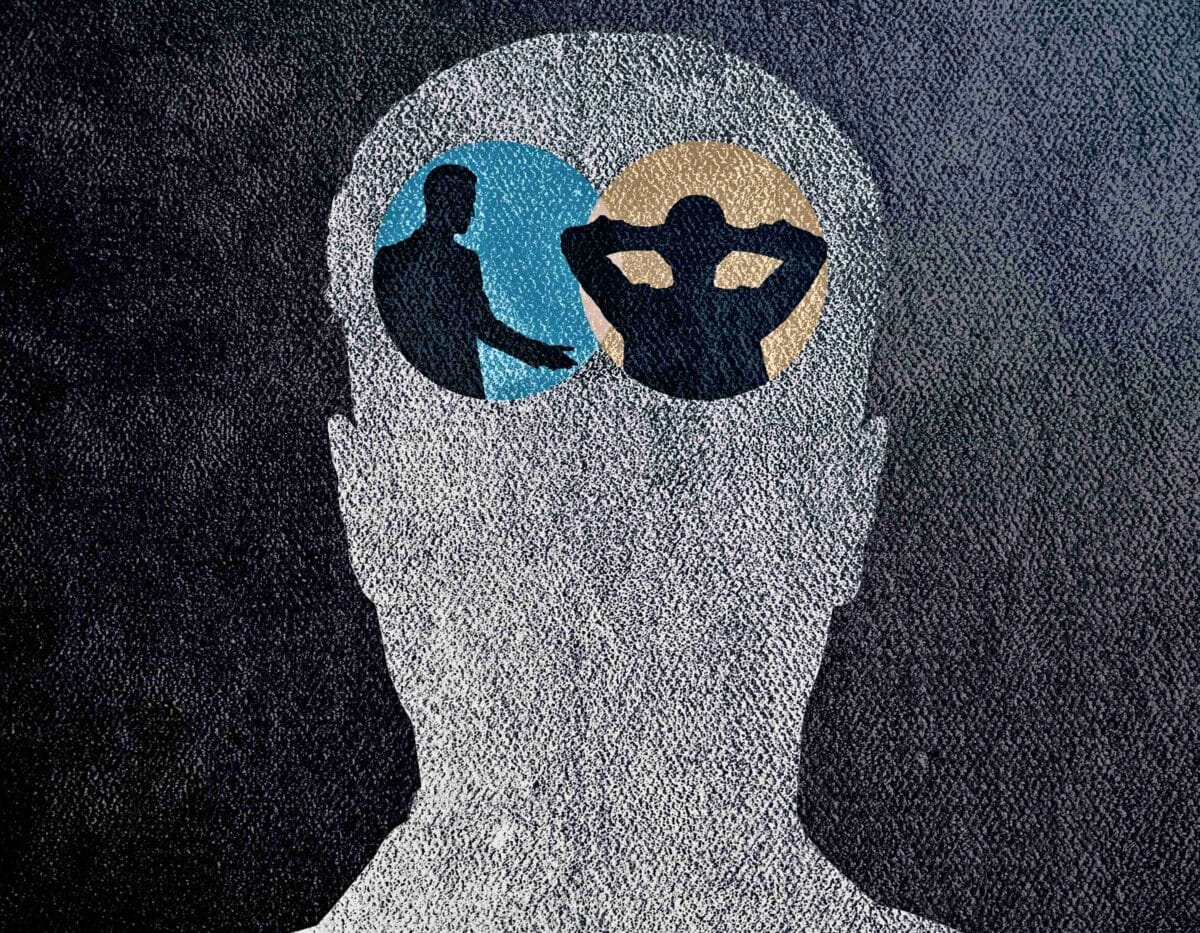
Those are all valid possibilities. But there is another factor that is routinely overlooked in conversations about men’s mental health, and it is biological: your testosterone levels.
This is not about suggesting that testosterone is a magic fix for mental health difficulties. It is not. Mental health is complex, multifactorial, and deeply personal. But there is a growing body of evidence showing that testosterone and mental wellbeing are more intimately connected than many men, and indeed many healthcare professionals, realise. And when low testosterone is part of the picture, ignoring it means you are trying to solve a puzzle with missing pieces.
The Bidirectional Relationship: Testosterone and Mental Health Influence Each Other
One of the most important things to understand about testosterone and mental health is that the relationship runs in both directions.
Low testosterone can cause or worsen symptoms of depression, anxiety, irritability, and cognitive decline. But equally, depression, chronic stress, and poor mental health can suppress testosterone production. This creates a feedback loop that can be difficult to escape without addressing both sides of the equation.
Research published in JAMA Psychiatry has demonstrated that men with clinically low testosterone are significantly more likely to experience depressive symptoms. A large-scale meta-analysis published in the Journal of Affective Disorders found that men with depression had lower testosterone levels on average compared to non-depressed men, and that this association persisted after controlling for age, BMI, and other confounding factors.
The biological mechanisms are not fully understood, but testosterone is known to influence serotonin and dopamine pathways in the brain, both of which are central to mood regulation. Testosterone receptors are found throughout the brain, including in regions involved in emotional processing, memory, and executive function. When testosterone levels fall below the physiological range your brain needs, the downstream effects on mood and cognition can be profound.
When Depression Might Not Be the Whole Story
Here is a scenario that plays out in GP surgeries across England, Scotland, Wales, and Northern Ireland more often than it should.
A man in his 40s or 50s presents with low mood, fatigue, poor concentration, loss of interest in activities he used to enjoy, and reduced libido. He might also mention sleep problems and weight gain. His GP, understandably, recognises these as classic symptoms of depression. An antidepressant is prescribed. Perhaps a referral for talking therapy is made. These are reasonable and often helpful interventions.
But what if no one checks his testosterone?
The symptom overlap between depression and testosterone deficiency is striking. Consider the similarities:
- Fatigue and low energy – core symptom of both depression and low T
- Loss of interest or pleasure – a hallmark of depression, but also a direct effect of testosterone deficiency on motivation and reward pathways
- Difficulty concentrating – brain fog is reported in both conditions
- Sleep disturbance – common to both, with low T specifically linked to poorer sleep quality
- Irritability and mood changes – present in both depression and testosterone deficiency
- Reduced libido – can accompany depression but is one of the most specific symptoms of low testosterone
- Weight gain – depression-related changes in appetite and low T-related changes in body composition both contribute
This does not mean that every man with depression has low testosterone, or that testosterone testing should replace standard mental health assessment. It means that for men presenting with this cluster of symptoms, particularly when reduced libido and physical changes are prominent, a testosterone blood test should be part of the investigation. It is a simple, inexpensive test that can provide critically important information.
Brain Fog, Cognitive Changes, and the Testosterone Connection
One of the most distressing symptoms men report when their testosterone is low is what many describe as “brain fog.” It is not a medical diagnosis in itself, but the experience is real and debilitating: difficulty finding words, poor short-term memory, an inability to concentrate on tasks that used to feel effortless, a sense that your mental sharpness has dulled.
For men who rely on their cognitive abilities in their professional lives, this can be deeply unsettling. Some fear early dementia. Others assume they are simply getting older and should accept it. Many feel embarrassed to mention it at all.
The evidence linking testosterone to cognitive function is nuanced. Testosterone plays a role in neuronal health, synaptic plasticity, and neuroprotection. Studies have shown associations between low testosterone and poorer performance on tests of spatial ability, verbal memory, and processing speed. The NHS recognises cognitive difficulties as a potential symptom of testosterone deficiency.
It is worth noting that the relationship between testosterone and cognition is not linear. Extremely high levels of testosterone do not confer cognitive superpowers. The evidence suggests there is an optimal physiological range within which cognitive function is best supported, and falling below that range can have noticeable effects.
Motivation, Confidence, and the Erosion of Self
Perhaps one of the most overlooked consequences of low testosterone is its effect on motivation and self-confidence. Testosterone influences the brain’s reward and motivation circuitry, including dopaminergic pathways that drive goal-directed behaviour. When testosterone levels are inadequate, men often describe a pervasive loss of drive that goes beyond simple tiredness.
It manifests as a difficulty starting tasks you know you should do. A reluctance to take on challenges. A withdrawal from social situations. A sense that you are watching your life rather than living it. Goals that once excited you feel meaningless. Projects get abandoned. Career ambitions fade.
This is not laziness. It is not a character flaw. It is a biological shift that affects the very neurochemistry that underpins motivation and engagement with life.
For many men, this erosion of drive and confidence compounds their mental health difficulties. They judge themselves harshly for not being the person they were. They compare themselves unfavourably to others. They withdraw further, which deepens the problem. It becomes a self-reinforcing cycle of low testosterone, diminished motivation, self-criticism, worsening mood, and further hormonal disruption.
The Stigma Around Men’s Mental Health: An Ongoing Barrier
We cannot discuss testosterone and mental health without acknowledging the broader context of men’s mental health in the UK. Despite significant progress in destigmatising mental health conversations, many men still find it profoundly difficult to seek help for psychological difficulties.
Statistics from the Office for National Statistics consistently show that men account for approximately three-quarters of deaths by suicide in the UK. Men are less likely than women to access talking therapies, less likely to visit their GP for mental health concerns, and more likely to self-medicate with alcohol or other substances.
The reasons are complex and culturally embedded: expectations of stoicism, fear of appearing weak, discomfort with emotional vulnerability, and a healthcare system that, despite good intentions, does not always create spaces where men feel heard.
Interestingly, framing mental health symptoms in the context of hormonal health can sometimes make it easier for men to engage with the conversation. Saying “I think my testosterone might be low” can feel more accessible than saying “I think I might be depressed,” even when both statements describe overlapping experiences. This is not ideal. In a perfect world, men would feel equally comfortable discussing emotional and hormonal health. But in the world we live in, meeting men where they are and using the entry point they are comfortable with can be the difference between someone getting help and someone continuing to suffer in silence.
What Does the Evidence Say About TRT and Mood?
The evidence for testosterone replacement therapy (TRT) improving mood in men with confirmed low testosterone is encouraging, though not without caveats.
The Testosterone Trials (TTrials), a series of coordinated randomised controlled studies published in JAMA Internal Medicine, found that testosterone treatment in men over 65 with low testosterone was associated with a modest but statistically significant improvement in mood, as measured by the Patient Health Questionnaire (PHQ-9) depression scale. The benefits were most pronounced in men with the lowest baseline testosterone levels and the most significant depressive symptoms.
A meta-analysis published in PubMed-indexed journals examining multiple randomised controlled trials concluded that testosterone therapy was associated with a significant reduction in depressive symptoms compared to placebo, particularly in men with clinically diagnosed hypogonadism.
However, and this is important, TRT is not an antidepressant in the conventional sense. It does not work for depression that is unrelated to testosterone deficiency. The men most likely to benefit are those whose depressive symptoms are driven, at least in part, by genuinely low testosterone levels. This is why proper diagnosis through blood testing and clinical assessment is essential before considering treatment.
It is also critical that TRT is not used as a substitute for appropriate mental health care. For men with co-existing depression and low testosterone, the most effective approach often involves addressing both: hormone optimisation alongside psychological support, whether that is therapy, medication, lifestyle changes, or a combination.
When Should You Consider Hormonal Investigation?
If you are experiencing mental health difficulties, it is always worth speaking to a healthcare professional. But there are certain situations where hormonal investigation should be specifically considered:
- You have symptoms of depression or anxiety combined with reduced libido and/or erectile difficulties
- You have been treated for depression with antidepressants and/or therapy but your symptoms have not fully responded
- You have significant fatigue, brain fog, or loss of motivation alongside mood changes
- You have physical changes suggestive of low testosterone: loss of muscle mass, increased body fat, reduced body hair
- You have risk factors for testosterone deficiency: age over 40, obesity, type 2 diabetes, chronic pain conditions, long-term opioid use
- You have noticed a marked decline in your overall sense of vitality and wellbeing that feels disproportionate to your life circumstances
A testosterone blood test is a simple investigation that can provide important diagnostic information. It does not commit you to any particular treatment. It simply adds a piece to the puzzle that might otherwise be missing.
An Integrated Approach: Hormones, Mind, and Lifestyle
The most effective approach to managing the intersection of low testosterone and mental health is one that acknowledges the complexity of both. This typically includes:
Proper hormonal assessment: Morning testosterone blood tests on at least two occasions, alongside other relevant markers (SHBG, LH, FSH, thyroid function, full blood count).
Mental health support: Whether through your GP, an NHS psychological therapies service (IAPT in England, or equivalent services in Scotland, Wales, and Northern Ireland), or private therapy. Cognitive behavioural therapy (CBT) has a strong evidence base for depression and anxiety in men.
Lifestyle optimisation: Regular exercise (particularly resistance training), adequate sleep, stress management, healthy nutrition, and moderation with alcohol all support both testosterone levels and mental health independently.
Medical treatment where indicated: For men with confirmed testosterone deficiency and symptoms that have not adequately responded to lifestyle measures, TRT can be a valuable component of an integrated treatment plan. At Evernu, our RQIA-regulated service ensures that TRT is prescribed and monitored according to clinical guidelines, with regular blood testing and ongoing clinical review.
Ongoing monitoring: Both hormonal status and mental health should be monitored over time. Symptoms should be tracked, blood levels reviewed, and treatment adjusted as needed.
You Deserve a Complete Picture
If you have been struggling with your mental health and you suspect testosterone might be part of the story, trust that instinct. Seeking a testosterone test is not about dismissing the psychological or emotional dimensions of what you are experiencing. It is about ensuring that nothing is being overlooked.
You deserve a complete clinical picture. You deserve a healthcare provider who considers both your mental and hormonal health. And you deserve to know whether a treatable biological factor is contributing to how you feel.
If you would like to explore whether testosterone deficiency might be affecting your mental health and overall wellbeing, learn more about Evernu’s testosterone assessment and treatment pathway. Our clinicians take the time to understand the full picture, not just the numbers on a blood test.
Frequently Asked Questions About Low Testosterone and Mental Health
Can low testosterone actually cause depression?
Low testosterone can contribute to depressive symptoms and may be a causal factor in some cases, but the relationship is complex. Testosterone influences serotonin and dopamine systems in the brain that are directly involved in mood regulation. Men with clinically low testosterone are at higher risk of developing depressive symptoms, and some randomised controlled trials have shown that testosterone replacement therapy can improve mood in men with confirmed deficiency. However, depression is a multifactorial condition, and low testosterone is rarely the sole cause. A comprehensive assessment that considers both hormonal and psychological factors is the most responsible approach.
Should I ask my GP for a testosterone test if I am feeling depressed?
If your depressive symptoms are accompanied by reduced libido, fatigue, brain fog, or physical changes such as muscle loss or weight gain, requesting a testosterone test is entirely reasonable and clinically appropriate. The NHS lists mood disturbance as a recognised symptom of testosterone deficiency. A morning blood test is all that is needed for an initial screen. If your GP is not comfortable investigating further, you can seek assessment through a specialist men’s health service such as Evernu.
Will TRT replace my antidepressants?
TRT is not a substitute for antidepressant medication. If you are currently taking antidepressants, you should not stop or reduce them without guidance from your prescribing clinician. For men whose depression has a hormonal component, TRT may improve symptoms over time, and some men find they can eventually reduce antidepressant doses under medical supervision. However, this should always be a collaborative decision between you and your healthcare team, not a unilateral change. Many men benefit from both treatments simultaneously.
How quickly does TRT improve mood and mental health symptoms?
The timeline for mood improvement with TRT varies between individuals. Some men report improvements in energy and motivation within the first few weeks, while broader mood improvements often take 6-12 weeks to become noticeable. Full psychological benefits may take 3-6 months to manifest. It is important to have realistic expectations and to recognise that TRT addresses the hormonal component of your symptoms. If psychological or situational factors are also contributing, these will need to be addressed through appropriate mental health support.
Is there a link between testosterone and anxiety in men?
Yes, there is evidence linking low testosterone to increased anxiety symptoms in men. Testosterone has anxiolytic (anxiety-reducing) effects in the brain, and men with hypogonadism report higher rates of anxiety compared to men with normal testosterone levels. Some studies have shown that TRT can reduce anxiety symptoms in testosterone-deficient men. However, as with depression, anxiety is a multifactorial condition, and hormone levels are only one piece of the picture. If you are experiencing significant anxiety, a comprehensive assessment that includes both hormonal and psychological evaluation is recommended.