Mounjaro (tirzepatide) is remarkably effective at reducing appetite. But here is something that surprises many patients: what you eat on Mounjaro matters just as much as the medication itself. Eating less is only half the equation. Eating the right things determines whether you lose fat while preserving muscle, or end up with the gaunt, saggy appearance that gives weight loss medication a bad reputation.
This guide provides a practical, evidence-based eating plan designed specifically for people taking Mounjaro. It is not a restrictive “diet” in the traditional sense — it is a framework for making every reduced-appetite meal count nutritionally, so you get the best possible results from your treatment.
Why Your Diet on Mounjaro Is So Important
When Mounjaro suppresses your appetite, you naturally eat less. For most people, daily calorie intake drops by 500–1,000 calories compared to their pre-medication intake. This calorie deficit drives weight loss — but it also means your body has fewer resources to work with.
If those reduced calories come primarily from carbohydrates and fats with insufficient protein, your body will break down muscle tissue for energy alongside fat. The result:
- Muscle loss: Up to 25–30% of weight lost can come from muscle if protein intake is inadequate
- Slower metabolism: Less muscle means fewer calories burned at rest, making weight regain more likely
- The “Ozempic look”: Loss of facial volume, sagging skin, and a gaunt appearance
- Fatigue and weakness: Muscle loss directly impacts energy levels and physical function
A well-structured diet plan prevents all of this. The goal is simple: prioritise protein, include nutrient-dense foods, and make every meal work for you.
Your Daily Nutrition Targets on Mounjaro
Before looking at specific meals, here are the daily targets that clinical evidence supports for patients on GLP-1 weight loss medications:
Protein: 1.2–1.6g per kg of body weight
This is the single most important nutritional target. For a person weighing 90kg, this means 108–144g of protein per day. Spread across three meals and a snack, that is approximately 30–40g of protein per meal.
For reference, 30g of protein looks like:
- 150g chicken breast
- 170g salmon fillet
- 4 large eggs
- 200g Greek yoghurt + 30g protein powder
- 250g cottage cheese
Calories: Don’t Count Obsessively, But Be Aware
Mounjaro naturally reduces your calorie intake. Most patients end up consuming 1,200–1,800 calories per day without consciously restricting. Rather than obsessively counting calories, focus on eating protein-first and filling the rest with vegetables, healthy fats, and complex carbohydrates. The medication handles the calorie deficit for you.
Hydration: 2–2.5 Litres Daily
Adequate hydration supports the medication’s function, helps manage constipation (a common side effect), supports skin elasticity during weight loss, and helps your body process the increased protein intake.
The Protein-First Eating Framework
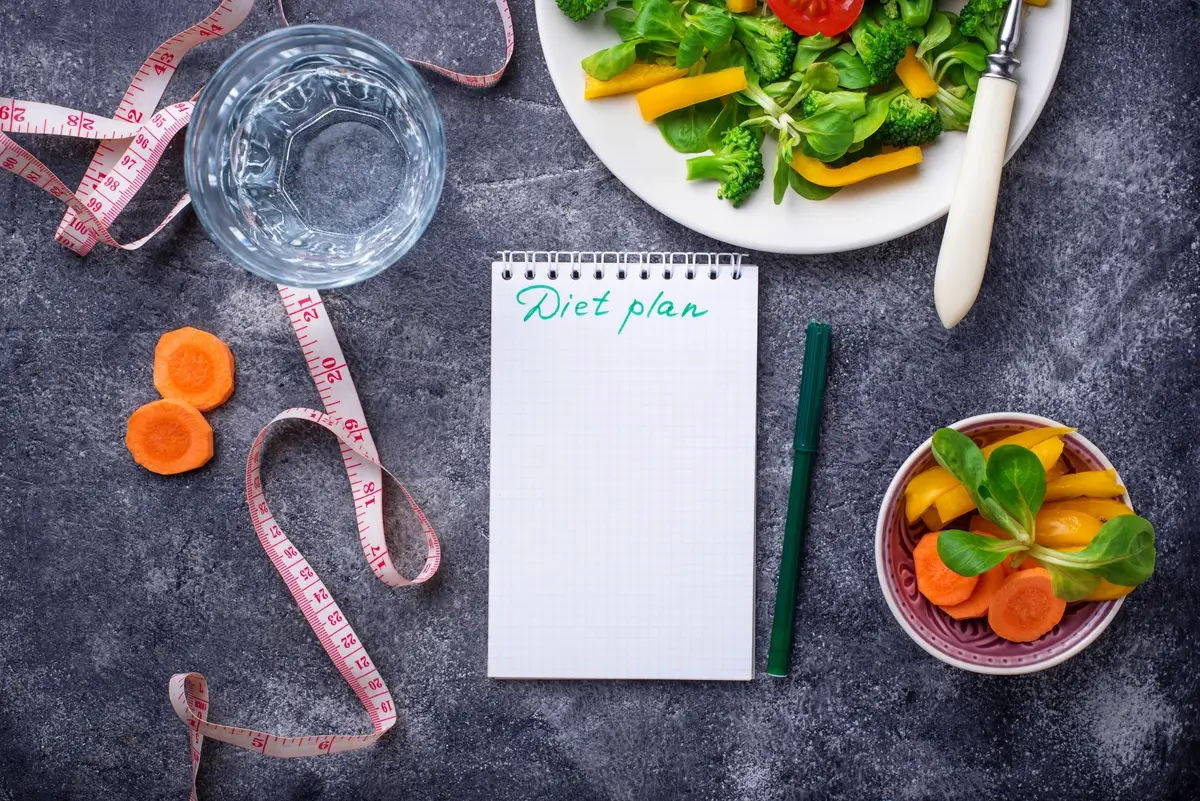
The simplest way to structure your meals on Mounjaro is the protein-first approach: at every meal, eat your protein source first, then vegetables, then everything else. When your appetite is reduced, you may not finish everything on your plate — and if protein was the first thing you ate, you have already covered the most important nutritional need.
Breakfast Ideas (25–35g protein)
- Greek yoghurt bowl: 200g Greek yoghurt, 30g protein granola, berries, 1 tbsp nut butter (32g protein)
- Scrambled eggs on toast: 3 eggs scrambled with spinach on 1 slice wholemeal toast (25g protein)
- Protein smoothie: 1 scoop whey protein, 200ml milk, 1 banana, 1 tbsp peanut butter, handful of spinach (35g protein)
- Smoked salmon and eggs: 2 poached eggs with 60g smoked salmon on a bagel thin (28g protein)
- Overnight oats: 50g oats, 200ml milk, 1 scoop protein powder, chia seeds, berries (30g protein)
Lunch Ideas (30–40g protein)
- Chicken and avocado wrap: 150g chicken breast, avocado, salad leaves, in a wholemeal wrap (35g protein)
- Tuna salad: 1 tin tuna, mixed leaves, cherry tomatoes, cucumber, olive oil dressing (30g protein)
- Turkey meatball soup: 150g turkey mince meatballs in vegetable broth with beans (38g protein)
- Prawn stir-fry: 200g prawns with mixed vegetables and a small portion of rice noodles (32g protein)
- Cottage cheese and salmon plate: 150g cottage cheese, 80g smoked salmon, oatcakes, cucumber (34g protein)
Dinner Ideas (30–40g protein)
- Salmon with roasted vegetables: 170g salmon fillet, roasted sweet potato, broccoli, asparagus (36g protein)
- Chicken stir-fry: 150g chicken thigh, mixed peppers, broccoli, soy sauce, small portion of brown rice (35g protein)
- Lean beef mince chilli: 150g 5% fat beef mince, kidney beans, tomatoes, peppers, with a small portion of rice (40g protein)
- Cod with lentils: 170g cod fillet, puy lentils, roasted Mediterranean vegetables (32g protein)
- Turkey burgers: 2 homemade turkey burgers (200g mince), salad, sweet potato wedges (38g protein)
Snack Ideas (10–20g protein)
- Protein bar (20g protein)
- 2 boiled eggs (14g protein)
- 150g Greek yoghurt with honey (15g protein)
- 30g almonds + 1 cheese string (12g protein)
- Protein shake (25g protein)
- Edamame beans, 100g (11g protein)
Foods to Prioritise on Mounjaro
When your appetite is limited, every food choice matters. Focus on nutrient-dense options:
- Lean proteins: Chicken, turkey, fish, eggs, Greek yoghurt, cottage cheese, lean beef, tofu, tempeh
- Vegetables: Broccoli, spinach, peppers, courgette, asparagus, green beans, tomatoes — aim for half your plate
- Complex carbohydrates: Sweet potato, brown rice, oats, quinoa, wholemeal bread — in moderate portions
- Healthy fats: Avocado, olive oil, nuts, seeds, oily fish — essential but calorie-dense, so portion-control matters
- Fibre-rich foods: Legumes, lentils, whole grains, vegetables — helps with constipation, a common Mounjaro side effect
Foods to Limit or Avoid on Mounjaro
These foods are either nutritionally poor (wasting your limited appetite on empty calories) or known to worsen common side effects:
Foods That Worsen Side Effects
- High-fat fried foods: Can worsen nausea and slow gastric emptying further, leading to uncomfortable fullness
- Very large meals: Mounjaro slows stomach emptying — eating too much at once can cause nausea, bloating, and vomiting
- Carbonated drinks: Can increase bloating and gas, which are already common side effects
- Very spicy foods: May worsen gastrointestinal discomfort, particularly in the first few weeks
- Excessive alcohol: Alcohol is calorie-dense with zero nutritional value, and GLP-1 medications can increase alcohol sensitivity
Foods That Waste Your Limited Appetite
- Sugary snacks and sweets: High in calories, low in protein and nutrients
- White bread, pastries, and refined carbs: Spike blood sugar without providing lasting satiety
- Crisps and processed snacks: Easy to eat but contribute nothing to your protein target
- Sugary drinks and fruit juices: Liquid calories that bypass your appetite suppression
Managing Common Eating Challenges on Mounjaro
“I’m Not Hungry at All”
This is one of the most common experiences, especially after a dose increase. While reduced appetite is the goal, eating too little can lead to muscle loss, nutrient deficiencies, and fatigue. Even when you are not hungry:
- Aim for a minimum of three small meals per day
- Prioritise protein at every meal — a protein shake counts if you cannot face solid food
- Set meal reminders if you are forgetting to eat
- Choose calorie-dense, nutrient-rich foods (eggs, nuts, yoghurt) when portions are tiny
“Everything Tastes Different”
Some patients report taste changes on Mounjaro, particularly a metallic or unusual taste. This usually resolves within a few weeks. In the meantime, try foods with strong natural flavours (citrus, herbs, spices) and avoid the foods that taste worst to you — your preferences may shift back as you adjust.
“I Get Nauseous After Eating”
Post-meal nausea is common, particularly in the first 2–4 weeks at a new dose. Strategies that help:
- Eat smaller, more frequent meals (5–6 small meals instead of 3 large ones)
- Eat slowly — take at least 20 minutes per meal
- Avoid lying down immediately after eating
- Ginger tea or ginger supplements can help settle nausea
- Avoid high-fat meals, which slow gastric emptying and worsen nausea
“I’m Constipated”
Constipation affects a significant proportion of Mounjaro users. Dietary strategies include:
- Increase water intake to 2.5+ litres daily
- Eat high-fibre foods: vegetables, lentils, beans, wholegrain cereals
- Add 1–2 tablespoons of ground flaxseed or psyllium husk to meals
- Gentle movement and walking aids gut motility
- Consider a magnesium supplement (speak to your clinician first)
Sample 7-Day Mounjaro Meal Plan
Monday
Breakfast: Greek yoghurt with protein granola and berries
Lunch: Chicken and avocado wrap with mixed salad
Dinner: Salmon fillet with roasted sweet potato and broccoli
Snack: 2 boiled eggs
Tuesday
Breakfast: Protein smoothie (whey, banana, peanut butter, spinach)
Lunch: Tuna salad with olive oil dressing
Dinner: Turkey mince chilli with brown rice
Snack: Protein bar
Wednesday
Breakfast: Scrambled eggs with spinach on toast
Lunch: Prawn stir-fry with rice noodles
Dinner: Chicken breast with Mediterranean roasted vegetables
Snack: Greek yoghurt with honey
Thursday
Breakfast: Overnight oats with protein powder and chia seeds
Lunch: Cottage cheese and smoked salmon plate
Dinner: Cod fillet with puy lentils and roasted vegetables
Snack: Almonds and cheese string
Friday
Breakfast: Smoked salmon and poached eggs
Lunch: Turkey meatball soup with vegetables
Dinner: Lean beef stir-fry with peppers and brown rice
Snack: Edamame beans
Saturday
Breakfast: 3-egg omelette with mushrooms, tomato, and cheese
Lunch: Grilled chicken salad with avocado and quinoa
Dinner: Homemade turkey burgers with sweet potato wedges
Snack: Protein shake
Sunday
Breakfast: Protein pancakes with berries and Greek yoghurt
Lunch: Roast chicken with roasted vegetables (Sunday roast, smaller portion)
Dinner: Prawn and vegetable curry with a small portion of rice
Snack: 2 boiled eggs
The Evernu Approach: Medication Plus Nutrition
At Evernu, nutrition is not an afterthought — it is a core part of our weight loss programme. Our mobile app tracks daily protein intake alongside your medication, and our personalised meal plans are designed specifically for patients on GLP-1 medications. The goal is to make hitting your protein target as easy as possible, even when your appetite is minimal.
Because medication gets you eating less. But eating right is what determines whether you lose fat, preserve muscle, and actually look and feel better at the end of the journey — not just lighter.
Key Takeaways
- Prioritise protein at every meal: aim for 1.2–1.6g per kg of body weight daily
- Eat protein first, then vegetables, then carbohydrates
- Choose nutrient-dense foods — every bite matters when appetite is reduced
- Stay hydrated with 2–2.5 litres of water daily
- Eat smaller, more frequent meals to manage nausea
- Limit fried foods, sugary snacks, and alcohol
- Include fibre-rich foods to manage constipation
- Even when not hungry, aim for at least 3 small protein-rich meals per day
Ready to take the next step?
Take the first step towards better health. Our quick assessment connects you with the right treatment plan, tailored to your unique needs.
Get Started Now