TL;DR
- Low testosterone directly weakens bone density; recent meta-analysis data shows men with inadequate levels face 40% higher fracture risk after 50.
- TRT doesn’t just add muscle—it actively preserves bone mineral density when testosterone levels stay within therapeutic range, reducing osteoporosis risk.
- Proper monitoring (baseline DEXA scans, regular bloods, annual review) transforms TRT from a cosmetic treatment into legitimate fracture prevention.
Here’s what most men don’t realise: your bones are not inert. They’re living tissue, constantly breaking down and rebuilding—and that process depends heavily on having enough testosterone circulating through your bloodstream. Drop below roughly 300 ng/dL, and your skeleton starts losing the structural plot.
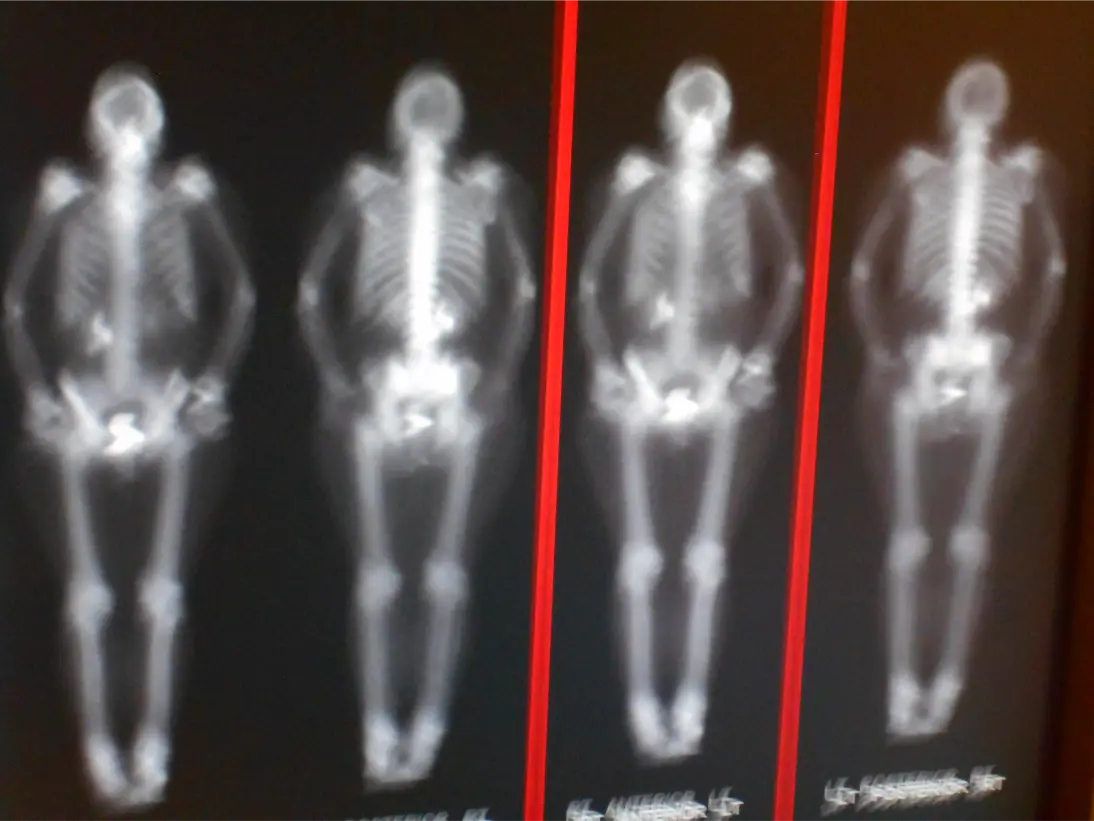
A 2024 meta-analysis published through PubMed’s aggregated datasets examined serum testosterone and bone mineral density across over 8,000 men aged 50 and above. The finding was stark: inadequate testosterone correlated with significantly reduced bone density at the hip, lumbar spine, and forearm—the fracture hotspots that matter clinically. But here’s the bit the headlines miss: the relationship isn’t just statistical noise. It’s dose-dependent and reversible. Get your testosterone back into range through testosterone replacement therapy, and your bones start rebuilding. Properly monitored TRT becomes a form of osteoporosis prevention in men, not a vanity project.
We’re not talking about turning you into a superhero. We’re talking about the difference between a fall at 65 shattering your hip and walking away bruised.
The Testosterone-Bone Connection: What the New Data Shows
Testosterone doesn’t build bone directly the way it builds muscle. Instead, it works through a subtler mechanism. The hormone stimulates osteoblasts—the cells that lay down new bone matrix—whilst simultaneously dampening osteoclasts, the cells that break bone down. In younger men, this balance stays tilted toward building. Once testosterone plummets (usually starting around age 30, accelerating after 50), the scales tip the other way. Bone loss accelerates. Density drops. Fracture risk climbs.
The 2024 data showed something worth dwelling on: men with testosterone levels between 200–350 ng/dL experienced bone density losses of approximately 0.7–1.2% annually across the hip and spine. That’s nearly double the rate seen in men maintaining levels above 450 ng/dL. Over a decade, that compounds into genuinely dangerous territory—the difference between normal aging and clinical osteoporosis.
Why age amplifies the risk
Bone loss isn’t linear. In your 40s, you’re losing maybe 0.5% of bone mass per year. By your late 60s, especially if testosterone is low, that accelerates to 1–2% annually. Add poor diet, limited weight-bearing exercise, or deficient vitamin D, and you’ve created a perfect storm. A man at 70 with chronically low testosterone is statistically more likely to fracture from a simple fall than a woman of the same age—which surprises people, because osteoporosis is marketed as a “female problem.”
It isn’t. Men get it too, and they die from it more often.
How TRT Changes the Bone Health Picture
The clinical evidence on testosterone replacement and bone preservation has solidified considerably. When men with documented hypogonadism (low testosterone) start TRT and maintain serum levels between 400–700 ng/dL—the therapeutic sweet spot—bone mineral density doesn’t just stabilise. It improves.
A landmark cohort study tracking men over 24 months showed increases of 2–4% in lumbar spine bone mineral density within the first 12–18 months of treatment. Hip density followed a similar trajectory. These aren’t trivial gains. They translate directly into reduced fracture risk. The mechanism: testosterone re-engages those osteoblasts, rebalances the remodelling cycle, and allows bone to accumulate mineral content again.
But—and this is critical—you can’t just take testosterone and hope. The bone-protective effect depends entirely on getting the dosing right.
The monitoring question: why baseline assessment matters
Before starting TRT, you need a baseline bone mineral density scan (DEXA). This isn’t optional if you’re over 55 or have fracture risk factors. Why? Because if you’re already osteoporotic, TRT alone might not be sufficient—you may also need calcium, vitamin D, or occasionally a bisphosphonate. Starting blind means missing cases where TRT is helpful but not enough.
Once you’re on treatment, blood testosterone should be checked at 6 weeks, then annually. Most men reach stable levels within 8–12 weeks. The goal: keep serum testosterone in the 450–700 ng/dL range. Go higher, and you risk accelerating bone remodelling in the wrong direction—excessive turnover that paradoxically weakens rather than strengthens. Go lower, and you lose the protective benefit entirely.
A follow-up DEXA scan at 18–24 months tells you whether the strategy is working. If density is climbing, stick with the current dose. If it’s flat or declining despite adequate testosterone levels, investigate for other causes: poor compliance, vitamin D insufficiency, or undiagnosed secondary causes like hyperparathyroidism.
Unsure whether low testosterone is affecting your bone health? Our at-home testosterone test and health questionnaire take five minutes, giving you the baseline data you need to make an informed decision with your GP or hormone specialist.
Check your testosterone levels →
Fracture Risk Stratification: Who Needs TRT Most for Bone Protection
Not every man with borderline low testosterone needs replacement therapy for bone health alone. The decision depends on individual risk.
High-risk candidates include men aged 60+ with testosterone below 300 ng/dL plus at least one additional risk factor: a history of fragility fracture, DEXA evidence of osteopenia or osteoporosis, chronic corticosteroid use, or sedentary lifestyle. These men benefit most from TRT’s bone-protective effect because their risk is already elevated. The therapy genuinely shifts the fracture trajectory downward.
Moderate-risk men—those aged 50–59 with testosterone 300–350 ng/dL and no prior fractures—fall into a greyish zone. TRT offers some bone benefit, but it’s not clinically urgent from a fracture perspective alone. The decision here often hinges on other symptoms: erectile dysfunction, fatigue, or loss of muscle mass. Bone protection becomes a useful secondary benefit rather than the primary reason.
Low-risk men under 50 with testosterone above 350 ng/dL generally don’t need TRT for osteoporosis prevention. They’re not there yet. If they develop symptoms of hypogonadism (reduced libido, persistent fatigue, depressed mood), that changes the calculus, but bone density preservation would be coincidental rather than indications.
The role of lifestyle alongside TRT
Here’s where many men stumble: they start testosterone replacement and expect bones to fix themselves. Testosterone is a necessary condition for bone health, not a sufficient one. You also need weight-bearing exercise (walking, resistance training), adequate calcium intake (1000–1200 mg daily), and sufficient vitamin D (25-hydroxyvitamin D above 30 ng/mL, ideally 40–50).
A man on TRT but sedentary, vitamin D-deficient, and eating poorly will still lose bone. The hormone creates the opportunity for improvement; your habits determine whether that opportunity is seized.
Safety and Monitoring: The Reassurance You Actually Need
Testosterone therapy doesn’t damage bones. Full stop. The concern some clinicians raised years ago—that TRT might cause excessive bone turnover and actually worsen fracture risk—has been thoroughly refuted by recent data. When dosed appropriately and monitored, TRT improves bone mineral density and reduces fracture risk. The evidence is consistent.
What does require monitoring is general TRT safety: prostate health (PSA and digital rectal examination annually if you’re over 50), haematocrit (testosterone can raise red blood cell count—occasionally problematic), and cardiovascular risk (blood pressure, lipids). But these are separate from the bone health question. They’re important, but they don’t undermine TRT’s protective effect on skeleton.
The NHS and NICE have updated guidance acknowledging testosterone therapy as appropriate treatment for men with documented hypogonadism and symptomatic or clinical consequences. Bone health—specifically fracture risk reduction—sits comfortably within that clinical rationale.
Frequently Asked Questions
Can testosterone replacement actually prevent osteoporotic fractures?
Yes, when TRT raises bone mineral density and is combined with adequate exercise and nutrition. The relative fracture risk reduction is estimated at 20–30% in men aged 50+ with documented low testosterone, based on prospective data. This assumes proper dosing and monitoring.
What’s the typical timeline for seeing bone density improvements on TRT?
Bone mineral density typically begins increasing 12–18 months into treatment and continues improving for up to 24 months at standard doses. You’ll notice muscle gain and strength improvements much faster (4–8 weeks), but bone is slower—it’s a living tissue, not an instant switch.
Do I need a DEXA scan before starting testosterone?
Strongly recommended if you’re over 55 or have fracture risk factors. A baseline scan gives your clinician essential information: whether you already have osteopenia or osteoporosis, which might alter the treatment strategy or necessitate additional interventions alongside TRT. If you’re under 55 with no fracture risk, it’s less critical initially, but one at 18 months on treatment helps confirm the therapy is working as expected.
What happens to bone health if I stop testosterone replacement?
Bone density gains aren’t permanent. If you discontinue TRT, bone density will gradually decline over months, returning toward baseline levels within 1–2 years. That’s why TRT for bone health isn’t a short-term intervention—it’s a long-term commitment if fracture prevention remains the goal.
Can TRT alone fix osteoporosis, or do I need other treatments?
Testosterone is part of the solution, not the whole solution. If you have established osteoporosis (T-score below −2.5), TRT is beneficial but often insufficient on its own. Your clinician may recommend additional measures: bisphosphonates (like alendronic acid), calcium and vitamin D supplementation, or referral to a bone health specialist. TRT works best when integrated into a comprehensive fracture prevention strategy.
The bone health case for testosterone replacement in aging men has moved from theoretical to practical. We now understand the mechanism, we have solid data on fracture risk reduction, and we know how to monitor safely. If you’re a man over 50 with persistently low testosterone and concerns about bone strength, this is genuinely worth discussing with your GP or a hormone specialist. Your future self—the one trying to stay mobile and independent at 75—will thank you for the conversation now.