If you have been diagnosed with low testosterone or are exploring testosterone replacement therapy (TRT), injectable testosterone is likely one of the options your clinician has discussed with you. For many men across the UK, injections remain the most widely prescribed and effective method of delivering testosterone replacement, and for good reason: they offer reliable absorption, predictable blood levels, and a long track record of clinical use.
But the prospect of self-injecting can feel daunting. You may have questions about which type of testosterone injection is best, how often you will need to inject, whether it hurts, and what the experience is actually like week to week. These are entirely reasonable concerns, and the fact that you are researching them suggests you are approaching your health thoughtfully.
This guide covers everything you need to know about testosterone injections available in the UK — from the different formulations and their characteristics to injection technique, storage, and what to realistically expect as your body adjusts to treatment.
Why Injectable Testosterone Is Commonly Prescribed in the UK
Injectable testosterone has been used in clinical medicine for decades. It remains the most common delivery method for TRT in the UK for several practical reasons. Injections bypass the digestive system entirely, which means the testosterone reaches your bloodstream directly and is not broken down by the liver during first-pass metabolism. This results in more predictable and reliable blood levels compared to some other delivery methods.
Cost is also a factor. Injectable testosterone preparations are generally less expensive than gels or patches, which matters both for NHS prescribing budgets and for patients accessing treatment privately. Additionally, injections can be administered at intervals ranging from every few days to every few months, depending on the formulation, giving clinicians flexibility to tailor the regimen to each patient.
The NHS recognises testosterone replacement therapy as an appropriate treatment for men with confirmed testosterone deficiency (hypogonadism), and injectable preparations feature prominently in prescribing guidelines across England, Scotland, Wales, and Northern Ireland.
Types of Injectable Testosterone Available in the UK
There are several injectable testosterone formulations licensed and available in the UK. Each has a different ester attached to the testosterone molecule, which affects how quickly it is released into the bloodstream and how often injections are needed. Understanding these differences is important because they will shape your day-to-day experience of treatment.
Sustanon 250
Sustanon 250 is one of the most commonly prescribed testosterone injections in the UK, particularly through the NHS. It is a blend of four different testosterone esters: testosterone propionate (30mg), testosterone phenylpropionate (60mg), testosterone isocaproate (60mg), and testosterone decanoate (100mg). This combination was designed to provide both rapid-onset and sustained testosterone release.
Injection frequency: Typically administered every two to four weeks via intramuscular injection. Many TRT clinicians now favour more frequent dosing (every two weeks or even weekly at a lower volume) to avoid the pronounced peaks and troughs in blood levels that can occur with less frequent injections.
What the experience is like: Because Sustanon contains a fast-acting propionate ester, you may notice effects within the first few days after injection. However, the shorter interval between injections means some men experience a noticeable dip in energy and mood toward the end of their injection cycle, particularly if injecting every three to four weeks. This is one reason why many clinics are moving toward more frequent, smaller doses.
Practical considerations: Sustanon 250 comes in 1ml glass ampoules containing an oily solution. It is administered as an intramuscular injection, most commonly into the gluteal muscle (upper outer quadrant of the buttock) or the vastus lateralis (outer thigh). The oil-based carrier can make the injection feel slightly thick as it enters the muscle, and some men report mild soreness at the injection site for a day or two afterwards.
Nebido (Testosterone Undecanoate 1000mg/4ml)
Nebido is a long-acting testosterone injection that contains testosterone undecanoate in a castor oil solution. It is the longest-acting injectable testosterone available in the UK, which makes it an attractive option for men who want to minimise how often they need to inject.
Injection frequency: After an initial loading phase (a second injection six weeks after the first), Nebido is typically administered every 10 to 14 weeks. The exact interval is adjusted based on blood test results, with the aim of keeping testosterone levels within the normal physiological range throughout the injection cycle.
What the experience is like: The primary advantage of Nebido is convenience. Injecting four to five times a year is significantly less burdensome than weekly or fortnightly injections. However, the injection itself involves a larger volume (4ml) of a viscous oil solution, which must be injected slowly over approximately two minutes. This is typically administered by a nurse or doctor at a clinic, rather than self-injected at home, though some patients are trained to self-administer.
Practical considerations: The larger volume and viscosity of Nebido mean that post-injection soreness is more common. Some men experience a hard lump at the injection site that can persist for several days. The long interval between injections does mean that some men notice a gradual decline in energy and mood in the final weeks before their next injection, though this is less pronounced than the peaks and troughs seen with less frequent Sustanon dosing.
Cost note: Nebido is significantly more expensive per injection than Sustanon 250, which can influence prescribing decisions, particularly within the NHS. Private clinics across England, Scotland, Wales, and Northern Ireland may offer it as a premium option.
Testosterone Cypionate and Testosterone Enanthate
Testosterone cypionate and testosterone enanthate are single-ester testosterone preparations that have become increasingly popular in UK TRT prescribing, particularly through private clinics. While testosterone cypionate is not widely available on the NHS in the UK (it is more common in the United States), it can be prescribed on a named-patient basis, and some private TRT providers stock it or use testosterone enanthate as a close equivalent.
Injection frequency: Both cypionate and enanthate have similar half-lives (approximately eight days for enanthate and twelve days for cypionate), and are typically injected once or twice per week. This more frequent dosing pattern produces the most stable blood levels of any injectable testosterone regimen, which many men find translates into more consistent energy, mood, and symptom relief.
What the experience is like: Because the injection volumes are small (typically 0.2ml to 0.5ml per injection), and the injections are frequent, many men on cypionate or enanthate report the most stable and consistent experience of any injectable testosterone. The smaller volumes also open up the possibility of subcutaneous injection (into the fat layer just beneath the skin) rather than intramuscular injection, which some men find more comfortable.
Practical considerations: The trade-off for more stable blood levels is more frequent injections. For men who are comfortable with self-injection, this is rarely a significant burden once a routine is established. However, if the idea of injecting once or twice a week feels unmanageable, a longer-acting formulation may be more appropriate.
Intramuscular vs Subcutaneous Injection: What Is the Difference?
Traditionally, testosterone injections have been administered intramuscularly (IM), meaning the needle is inserted deep into a large muscle. The most common sites for intramuscular testosterone injection are the gluteal muscle (buttock), the vastus lateralis (outer thigh), and the deltoid (upper arm, though this site is less commonly used for the larger volumes required by some formulations).
In recent years, subcutaneous (SubQ) injection has gained significant traction. This involves injecting into the fatty tissue just beneath the skin, typically using a shorter, thinner needle. Research has shown that subcutaneous testosterone injections produce comparable blood levels to intramuscular injections, with some studies suggesting more stable levels and fewer peaks and troughs.
Advantages of subcutaneous injection:
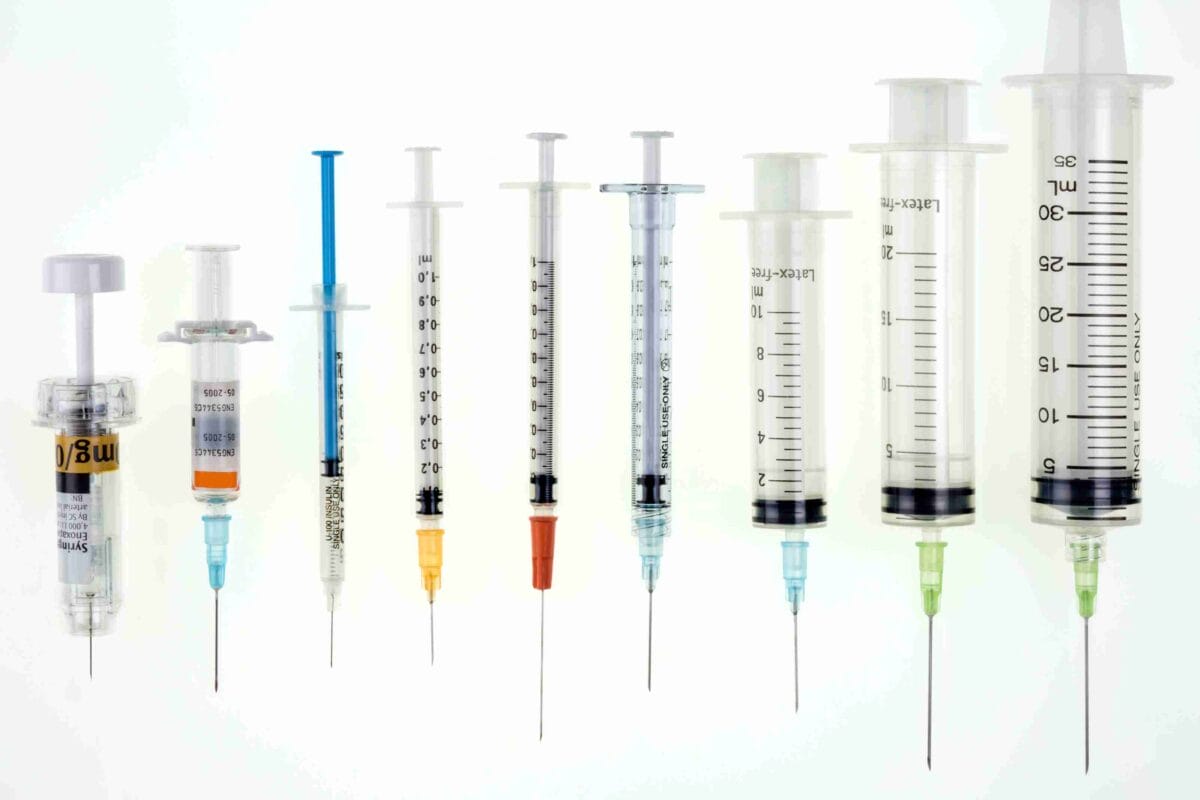
- Shorter needles (typically 25-29 gauge, 12-16mm) which many men find less intimidating
- Less post-injection soreness
- More injection site options (abdomen, thigh, upper arm fat pad)
- Potentially more stable testosterone absorption
- Easier to self-administer
When intramuscular injection is preferred:
- Larger volume injections (Nebido, for example, requires intramuscular administration)
- Some formulations are specifically licensed for intramuscular use only
- Very lean individuals with limited subcutaneous fat
Your prescribing clinician will advise on the most appropriate injection route based on the formulation you are using and your individual circumstances. Many private TRT clinics in the UK now routinely offer subcutaneous injection as the default for smaller-volume preparations like testosterone cypionate and enanthate.
Injection Technique: What to Know
If you are self-injecting testosterone at home, proper technique is important for both comfort and safety. Your prescribing clinic should provide hands-on training before you begin self-injecting, and you should not attempt to inject without this guidance. However, understanding the general principles can help you feel more prepared.
For intramuscular injection (general principles):
- Wash your hands thoroughly before preparing your injection
- Use an alcohol swab to clean the injection site
- Use a drawing needle (a larger gauge needle) to draw the testosterone from the vial or ampoule, then switch to a thinner injection needle
- Insert the needle at a 90-degree angle to the skin in a smooth, steady motion
- Aspirate briefly (pull back the plunger slightly to check for blood, though some clinical guidance now considers this step optional for certain sites)
- Inject the testosterone slowly and steadily
- Withdraw the needle and apply gentle pressure with a cotton ball or gauze
- Dispose of needles safely in a sharps bin
For subcutaneous injection (general principles):
- Clean the injection site with an alcohol swab
- Pinch a fold of skin and fat between your thumb and forefinger
- Insert the needle at a 45 to 90-degree angle (depending on needle length and the amount of subcutaneous tissue)
- Inject slowly
- Release the skin fold and withdraw the needle
- Do not rub the injection site afterwards
It is completely normal to feel nervous about your first few self-injections. Most men report that the anticipation is significantly worse than the actual experience, and that self-injection becomes routine within a few weeks. If injection anxiety is a significant barrier for you, discuss this with your clinician — there are strategies that can help, including having early injections administered by a nurse while you build confidence.
What to Expect: A Timeline of Changes on Testosterone Injections
One of the most common questions men have when starting testosterone injections is how quickly they will notice a difference. It is important to set realistic expectations, because the changes from TRT occur gradually over weeks and months, not overnight.
First 2 to 4 weeks: Many men notice improvements in energy levels, motivation, and general sense of wellbeing relatively early. Sleep quality may begin to improve. Some men also report an increase in libido during this initial period, though this varies considerably between individuals.
4 to 8 weeks: Mood improvements tend to become more noticeable during this period. Reduction in symptoms like brain fog, irritability, and low motivation often become clearer. Physical changes such as mild improvements in body composition (reduced water retention, slightly increased muscle fullness) may begin to appear.
3 to 6 months: This is when more significant physical changes typically become apparent. Improvements in muscle mass and strength (particularly with regular resistance training), reduction in body fat, improved exercise recovery, and more consistent energy throughout the day. Sexual function improvements, including erectile quality and libido, often reach their full effect within this timeframe.
6 to 12 months: Bone mineral density improvements occur over this longer timeframe. Body composition changes continue to develop. Metabolic parameters such as insulin sensitivity and lipid profiles may show improvements in blood work.
It is worth noting that response to TRT is highly individual. Some men notice dramatic improvements within weeks, while others experience more gradual, subtle changes. Your clinician will monitor your blood work and symptoms regularly to ensure your treatment is optimised.
Common Side Effects of Testosterone Injections
Like any medical treatment, testosterone injections can cause side effects. Most are manageable, and many are dose-dependent, meaning they can be addressed by adjusting your dosage or injection frequency. However, it is important to be aware of what to watch for.
Injection site reactions: Mild pain, redness, or a small lump at the injection site is common and usually resolves within a few days. Rotating injection sites helps minimise this. Rarely, an injection site can become infected, which would present as increasing redness, warmth, swelling, or discharge — this requires medical attention.
Acne and oily skin: An increase in sebaceous gland activity is common, particularly in the early months of treatment. This usually stabilises over time and can often be managed with standard skincare approaches.
Fluid retention: Some men notice mild water retention, particularly in the early stages of treatment. This is usually temporary and resolves as the body adjusts.
Mood changes: While most men experience improved mood on TRT, some notice increased irritability or emotional reactivity, particularly if testosterone levels are too high. This underscores the importance of regular blood monitoring and dose adjustment.
Polycythaemia (raised red blood cell count): This is one of the most clinically significant side effects of TRT. Testosterone stimulates red blood cell production, and if haematocrit (the proportion of blood volume occupied by red blood cells) rises too high, it can increase the risk of blood clots. Regular blood tests to monitor haematocrit are a standard part of TRT management. If levels become elevated, your clinician may adjust your dose, increase injection frequency, or recommend blood donation.
Suppression of natural testosterone production: Exogenous testosterone suppresses the hypothalamic-pituitary-gonadal (HPG) axis, which means your body will reduce or stop its own testosterone production while you are on TRT. This also affects sperm production, which is an important consideration for men who may want to father children in the future.
The NICE guidelines recommend regular monitoring of blood parameters including full blood count, PSA (prostate-specific antigen), liver function, and lipid profiles for men on testosterone replacement therapy.
Storage and Handling of Testosterone Injections
Proper storage of your testosterone medication ensures it remains effective and safe to use. The specific storage requirements vary by formulation, but general principles apply across all injectable testosterone preparations.
- Temperature: Store at room temperature (typically below 25°C). Do not refrigerate or freeze testosterone injections unless specifically instructed by the manufacturer.
- Light: Keep testosterone ampoules and vials in their original packaging to protect from light, as prolonged light exposure can degrade the medication.
- Inspection: Before each injection, visually inspect the solution. It should be clear and free of particles. Some testosterone preparations have a yellow tint, which is normal. Do not use the medication if it appears cloudy, discoloured, or contains visible particles.
- Needle disposal: Used needles must be disposed of safely in a sharps container. In the UK, your local council or pharmacy can advise on sharps bin disposal — arrangements vary across different regions in England, Scotland, Wales, and Northern Ireland.
- Ampoules: Once a glass ampoule of Sustanon 250 has been opened, it should be used immediately. Multi-dose vials of testosterone cypionate or enanthate can be used for multiple injections but should be discarded according to the manufacturer’s guidance or your clinician’s instructions.
Choosing the Right Testosterone Injection for You
There is no single best testosterone injection — the right choice depends on your individual circumstances, preferences, and how your body responds to treatment. Factors that influence this decision include:
- Injection frequency preference: If you prefer fewer injections, Nebido (every 10-14 weeks) may be appealing. If you prioritise stable blood levels, more frequent cypionate or enanthate injections may be better suited.
- Self-injection comfort: Smaller, more frequent injections (cypionate, enanthate) lend themselves well to home self-injection. Nebido is more commonly administered in a clinical setting due to the larger volume.
- Blood level stability: Men who are sensitive to fluctuations in testosterone levels often do better on more frequent dosing regimens.
- Cost and access: NHS prescribing patterns vary across the UK. Sustanon 250 is the most commonly prescribed through the NHS due to its lower cost. Private clinics typically offer a wider range of options.
- Lifestyle factors: Travel frequency, work schedules, and personal preferences all play a role. Your clinician should discuss these factors with you when recommending a treatment plan.
Getting Started with Testosterone Injections in the UK
If you suspect you have low testosterone and are considering TRT, the first step is a proper clinical assessment. This involves blood tests to confirm testosterone deficiency (typically two morning blood samples showing total testosterone below the lower reference range) along with a thorough symptom evaluation and medical history review.
In the UK, you can access testosterone testing and treatment through your GP (who may refer you to an endocrinologist), or through a regulated private TRT provider. Private clinics can often offer faster access to testing, a wider range of treatment options, and more frequent monitoring.
At Evernu, we provide comprehensive testosterone assessments and personalised TRT protocols for men across the UK. As a RQIA-regulated healthcare provider, we combine clinical rigour with accessible, patient-centred care — including thorough blood work, ongoing monitoring, and support from qualified clinicians.
If you are experiencing symptoms of low testosterone — persistent fatigue, low mood, reduced libido, difficulty concentrating, or loss of muscle mass — take our free online testosterone assessment to understand whether TRT may be appropriate for you.
Frequently Asked Questions
How painful are testosterone injections?
Most men describe the sensation as mild — comparable to a brief pinch or pressure. The anticipation of injecting is usually far worse than the actual experience. Subcutaneous injections with fine-gauge needles are particularly well-tolerated. Some post-injection soreness at the site is common but usually resolves within a day or two. If you experience significant pain during or after injection, speak to your clinician, as this may indicate the injection technique needs adjustment.
Can I inject testosterone myself at home?
Yes. Self-injection at home is standard practice for most testosterone formulations used in TRT, including Sustanon 250, testosterone cypionate, and testosterone enanthate. Your clinic should provide training on proper injection technique before you begin. Nebido injections are more commonly administered by a healthcare professional due to the larger volume and slower injection requirement, though some patients are trained to self-administer these as well.
How long does it take for testosterone injections to work?
Initial improvements in energy and wellbeing are often noticed within the first two to four weeks. Mood, libido, and cognitive improvements typically become more apparent over one to three months. Significant physical changes such as improved body composition and muscle development generally take three to six months. Full benefits of TRT, including bone density improvements, may take up to 12 months. Your clinician will monitor your progress through regular blood tests and symptom reviews.
Do I need to take testosterone injections for life?
TRT is generally a long-term or lifelong commitment, particularly for men with primary hypogonadism (where the testes cannot produce adequate testosterone). For men with secondary hypogonadism, there may be circumstances where the underlying cause can be addressed and natural production can recover, but this is not guaranteed. Stopping testosterone injections will result in a return of low testosterone symptoms as your body’s natural production may not fully recover, particularly after prolonged use. This is an important discussion to have with your clinician before starting treatment.
Is it safe to exercise after a testosterone injection?
Yes, you can exercise after a testosterone injection, though many men prefer to avoid intense activity involving the injected muscle group for the first 24 hours to minimise soreness. Light to moderate exercise on injection day is generally fine. There is no clinical reason to skip workouts around injection days, and regular resistance training is actually encouraged on TRT as it helps maximise the benefits of treatment.
This article is for informational purposes only and does not constitute medical advice. Always consult a qualified healthcare professional before starting or changing any medication. Evernu is regulated by the Regulation and Quality Improvement Authority (RQIA).