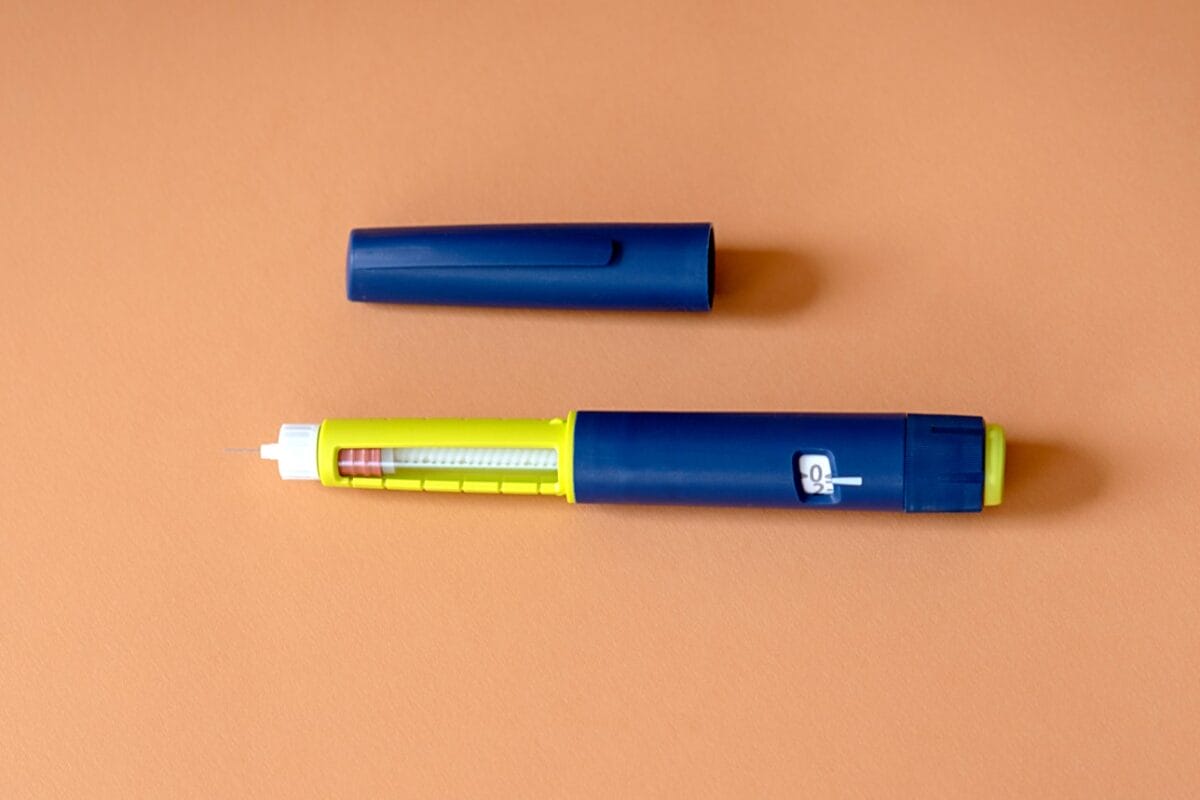
If you have been following developments in weight-management medication, you may have heard about a higher dose of Wegovy now available in the UK. The 7.2 mg dose of semaglutide represents the latest development from Novo Nordisk, offering enhanced efficacy for patients who may benefit from more than the standard 2.4 mg maintenance dose.
But a higher dose naturally raises questions. Is it significantly more effective? Who is it for? Are the side effects worse? Is it worth the additional cost? This guide addresses all of these questions honestly, using the clinical trial data and practical considerations that matter most to patients across England, Scotland, Wales, and Northern Ireland.
What Is Wegovy 7.2 mg?
Wegovy 7.2 mg is a higher-dose formulation of semaglutide, the same active ingredient used in the standard Wegovy treatment and in the diabetes medication Ozempic. Semaglutide is a GLP-1 receptor agonist that works by mimicking a natural gut hormone to reduce appetite, slow gastric emptying, and regulate blood sugar.
The standard Wegovy maintenance dose is 2.4 mg, administered once weekly. The 7.2 mg dose is exactly three times this amount and is designed for patients who have already been on the 2.4 mg dose and may benefit from a stronger effect.
It is important to understand that 7.2 mg is not a starting dose. Nobody begins treatment at this level. It sits at the top of the dose-escalation ladder, available only to patients who have completed the standard titration and spent time on the 2.4 mg maintenance dose first.
Why Was a Higher Dose Developed?
The rationale is straightforward. While the standard 2.4 mg dose of Wegovy produces significant weight loss for most patients (approximately 15% of body weight on average), individual responses vary. Some patients reach a plateau on 2.4 mg or feel that their appetite suppression has diminished over time. Others have a higher starting BMI and may benefit from a more potent dose to achieve clinically meaningful results.
The 7.2 mg dose was developed to address this gap, offering an option for patients who need or want more from their treatment without switching to a different medication entirely.
Clinical Trial Results: What the Evidence Shows
The clinical data for Wegovy 7.2 mg comes from trials evaluating semaglutide at this higher dose over 72 weeks. The results are noteworthy.
Weight Loss
- Participants achieved an average of approximately 21% body weight reduction over 72 weeks.
- Nearly half of all participants lost 20% or more of their body weight.
- For context, the standard 2.4 mg dose achieved approximately 15% weight loss over a similar period.
To put those numbers into practical terms: for someone starting at 100 kg, the 7.2 mg dose produced an average loss of approximately 21 kg, compared to around 15 kg on the standard dose. For someone at 120 kg, that is roughly 25.2 kg versus 18 kg.
The additional 5 to 6 percentage points of weight loss may sound modest expressed as a percentage, but in absolute terms, it represents a meaningful additional health benefit. Research consistently shows that greater weight loss produces greater improvements in conditions like type 2 diabetes, high blood pressure, sleep apnoea, and joint pain.
How Does This Compare to Mounjaro?
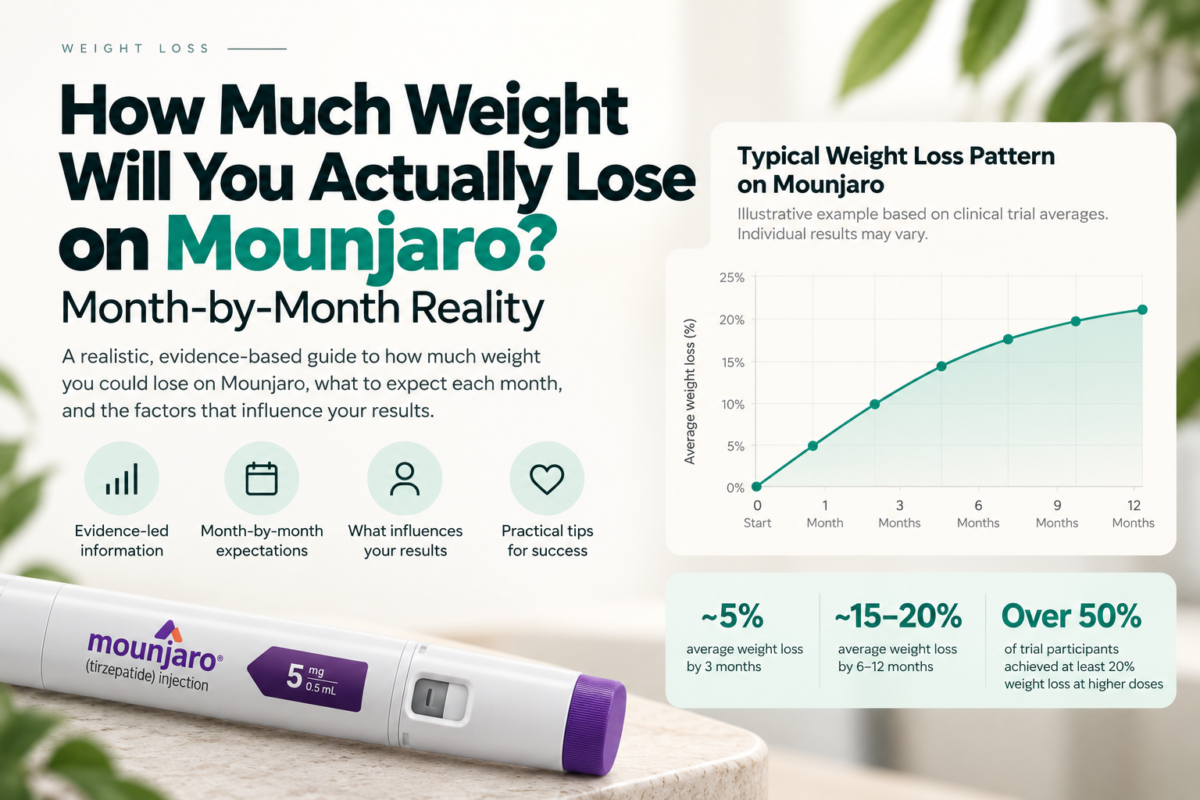
The SURMOUNT-1 trial showed that Mounjaro (tirzepatide) at its highest dose of 15 mg produced approximately 22.5% body weight loss over 72 weeks. The Wegovy 7.2 mg results (approximately 21%) bring semaglutide much closer to tirzepatide’s efficacy, narrowing a gap that previously favoured Mounjaro more substantially.
Direct head-to-head comparisons at these specific doses are still limited, and individual responses to each medication vary. The choice between the two should be based on your clinical profile, treatment history, and prescriber recommendation rather than headline numbers alone.
Who Is Eligible for the 7.2 mg Dose?
The 7.2 mg dose is not for everyone, and eligibility criteria are specific:
Prerequisite Requirements
- Already on Wegovy 2.4 mg: You must have been taking the standard maintenance dose of 2.4 mg for at least four weeks before your prescriber will consider advancing you to 7.2 mg.
- Demonstrated tolerance: You need to have shown that you tolerate semaglutide well at the 2.4 mg dose, with manageable side effects.
- Clinical justification: Your prescriber must determine that the higher dose is appropriate for your circumstances, whether because of a weight-loss plateau, inadequate response at 2.4 mg, or a clinical assessment that the additional dose would be beneficial.
General Eligibility (Same as Standard Wegovy)
- BMI of 30 or higher (obesity), or
- BMI of 27 or higher with at least one weight-related health condition
Who Should Not Take the Higher Dose?
The same contraindications that apply to standard Wegovy apply to the 7.2 mg dose:
- Personal or family history of medullary thyroid carcinoma or MEN 2
- History of pancreatitis
- Pregnancy or plans to become pregnant
- Type 1 diabetes
- Severe gastrointestinal conditions
- Severe kidney disease
Your prescriber will reassess your suitability before increasing to the higher dose, even if you have been taking 2.4 mg without issues.
How Is the 7.2 mg Dose Administered?
This is one of the practical considerations that patients need to understand before deciding whether to move to the higher dose.
Currently, the 7.2 mg dose requires three separate 2.4 mg injections per week. There is not yet a single pre-filled pen that delivers 7.2 mg in one injection. Novo Nordisk has indicated that a single-pen formulation is in development and expected in the future, but for now, the administration involves three injections.
For some patients, this is a minor inconvenience. For others, particularly those with needle anxiety or those who valued the simplicity of a single weekly injection, it may be a meaningful consideration. Each injection uses the same technique as the standard Wegovy pen, and the injections can be spread across different sites (abdomen, thigh) throughout the week.
Side Effects: Are They Worse at the Higher Dose?
This is understandably one of the most common concerns. The good news from the clinical trial data is reassuring.
Overall Tolerability
Side effects at the 7.2 mg dose were predominantly mild to moderate gastrointestinal symptoms, consistent with those experienced at lower semaglutide doses. The most commonly reported were:
- Nausea
- Diarrhoea
- Constipation
- Vomiting
- Abdominal discomfort
Discontinuation Rate
Only 3.3% of participants discontinued treatment due to adverse reactions in the clinical trials. This is a remarkably low discontinuation rate and suggests that most patients who have already tolerated the 2.4 mg dose will manage the 7.2 mg dose reasonably well.
The fact that patients have already spent months on lower doses before reaching 7.2 mg likely plays a role here. By the time you reach the higher dose, your body has had considerable time to adapt to semaglutide, and the gastrointestinal side effects that are most common during initial treatment have typically already settled.
Managing Side Effects
If side effects do increase when moving to 7.2 mg, the same management strategies apply:
- Eat smaller, more frequent meals
- Avoid very fatty, rich, or greasy foods
- Stay well hydrated
- Increase fibre gradually for constipation
- Contact your prescriber if symptoms are severe or persistent
Cost Considerations
Because the 7.2 mg dose currently requires three separate 2.4 mg pens per week, the cost is approximately three times that of the standard maintenance dose. This makes it a significant financial commitment for patients accessing Wegovy privately.
The exact cost varies between providers and may change when a single-pen formulation becomes available. If cost is a concern, it is worth discussing with your prescriber whether the additional weight loss expected at the higher dose justifies the additional expense for your particular circumstances, or whether the standard 2.4 mg dose, possibly combined with enhanced lifestyle support, could achieve a similar result.
Should You Ask About the Higher Dose?
The decision to move to 7.2 mg should be a clinical one, made collaboratively between you and your prescriber. It may be worth discussing if:
- You have been on Wegovy 2.4 mg for several months and feel that your weight loss has plateaued significantly.
- You have a high starting BMI and your prescriber believes a more substantial weight loss would meaningfully improve your health outcomes.
- You have weight-related health conditions (such as type 2 diabetes, severe sleep apnoea, or joint problems) that would benefit from greater weight reduction.
- You are comfortable with the prospect of three injections per week rather than one.
- The additional cost is manageable for your situation.
Conversely, if you are achieving good results on 2.4 mg, tolerating it well, and your health markers are improving, there may be no clinical reason to increase. More is not always better, and the standard dose remains an effective treatment for the majority of patients.
The Bigger Picture: Medication as Part of Comprehensive Weight Management
Whether you are on the standard dose or considering the higher dose, the evidence consistently shows that medication works best as part of a comprehensive approach. The clinical trials achieving 21% weight loss at 7.2 mg included lifestyle modifications, reduced-calorie diets and increased physical activity, alongside the medication.
Key complementary strategies include:
- Protein-rich diet: Prioritising 1.2 to 1.6 grams of protein per kilogram of body weight daily helps preserve lean muscle mass during significant weight loss.
- Resistance training: Even light strength training supports muscle maintenance and metabolic health. The NHS recommends strength activities on at least two days per week.
- Regular monitoring: Blood tests, weight checks, and clinical reviews help track your progress and catch any issues early.
- Psychological support: Addressing the emotional and behavioural aspects of eating is important for long-term success, particularly if you have a history of emotional eating, binge eating, or a complicated relationship with food.
Considering Wegovy Treatment?
Whether you are starting your weight-loss journey or considering a dose adjustment, Evernu’s clinical team can guide you through your options. Our prescribers will assess your eligibility and recommend the most appropriate treatment plan for your individual needs.
Start your free eligibility assessment
Frequently Asked Questions
Can I start Wegovy directly at the 7.2 mg dose?
No. The 7.2 mg dose is only available to patients who have already completed the standard dose escalation and been on the 2.4 mg maintenance dose for at least four weeks. Starting at a high dose without gradual titration would carry an unacceptable risk of severe gastrointestinal side effects and is not clinically appropriate.
Is the 7.2 mg dose available on the NHS?
Availability of the 7.2 mg dose through NHS specialist weight-management services is still being determined and varies by area. Many patients currently access this dose through private providers. NICE guidance on semaglutide continues to evolve as new dose options become available.
How long do I need to take the 7.2 mg dose?
Like standard Wegovy, the 7.2 mg dose is intended for long-term use as part of chronic weight management. There is no fixed end date. Your prescriber will periodically review whether the dose remains appropriate and whether any adjustments are needed based on your response, health status, and goals.
Will a single pen for 7.2 mg be available soon?
Novo Nordisk has indicated that a single pre-filled pen delivering the 7.2 mg dose is in development. Specific UK availability dates have not been confirmed. When available, this will simplify administration from three weekly injections to one, which is likely to improve convenience and adherence for patients on this dose.
Is the 7.2 mg dose safe?
Clinical trial data shows a favourable safety profile for the 7.2 mg dose, with side effects consistent with lower semaglutide doses and a very low discontinuation rate (3.3%). However, as with any medication, individual responses vary, and ongoing medical supervision is essential. Your prescriber will monitor your progress and adjust treatment as needed.
Expert Weight Management Across the UK
Evernu offers clinician-led weight-loss programmes with personalised dosing, ongoing monitoring, and support delivered discreetly to patients throughout England, Scotland, Wales, and Northern Ireland.
Explore our weight loss treatments