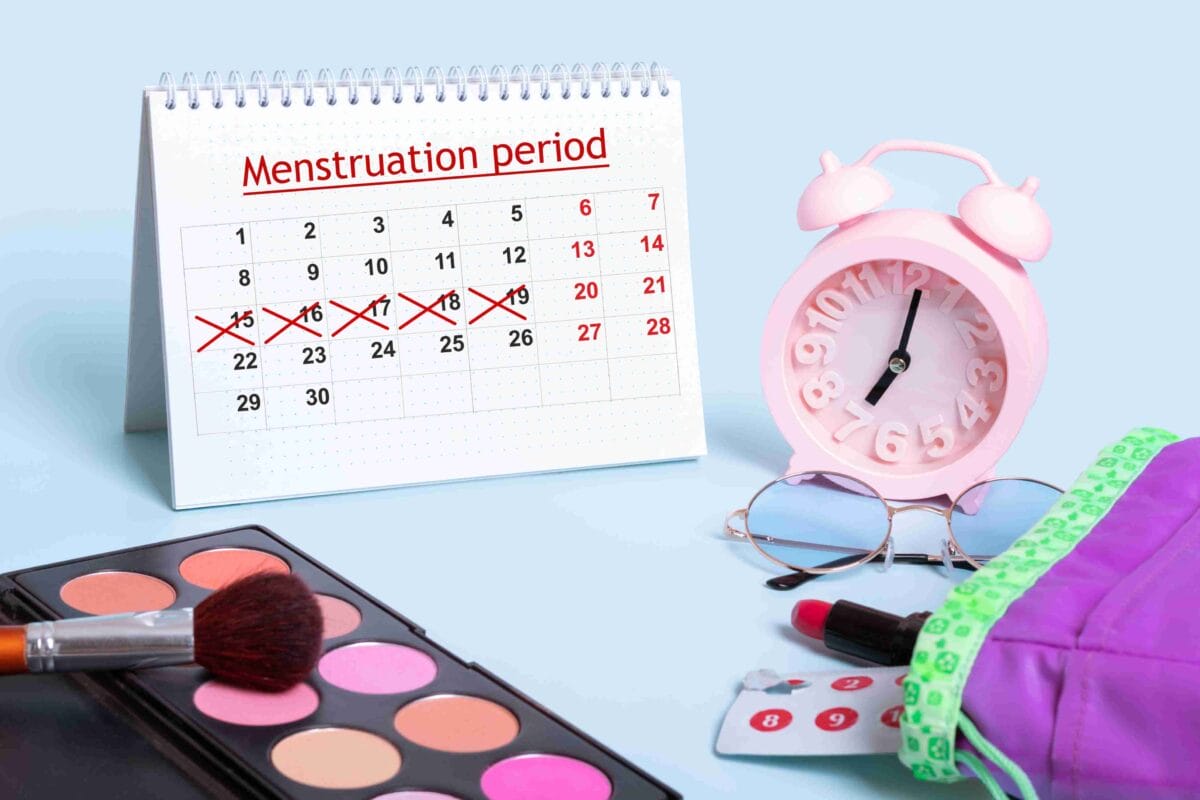
Sometimes life and your menstrual cycle do not cooperate. Whether it is a long-awaited holiday, a wedding, an important exam, or a sporting event, there are perfectly valid reasons why you might want to delay your period by a few days or even a couple of weeks. The good news is that safe, well-established options exist. The important thing is understanding how they work, what they involve, and when to talk to a healthcare professional first.
If you have ever searched “how to delay your period” and been met with a mix of medical advice and questionable home remedies, this guide is here to cut through the noise. We will cover the evidence-based methods available across England, Scotland, Wales, and Northern Ireland, how to use them properly, and the things you should know before you start.
Why Would Someone Want to Delay Their Period?
First, let us normalise the question itself. Wanting to postpone your period is not unusual or frivolous. There are many practical reasons people seek period delay, including:
- Travel and holidays — dealing with your period while swimming, hiking, or in transit can be inconvenient, especially in countries where access to sanitary products may be limited
- Weddings and special events — whether it is your own wedding day or a weekend-long celebration, period symptoms can be unwelcome
- Sporting competitions — many athletes prefer to avoid the physical discomfort and potential performance impact of menstruation during important events
- Exams and work deadlines — for those who experience debilitating cramps, heavy bleeding, or significant mood changes, having a period during a high-pressure week can genuinely affect performance
- Medical reasons — some women with conditions like endometriosis, heavy menstrual bleeding, or menstrual migraines may benefit from reducing the frequency of their periods under medical guidance
Whatever your reason, the key is using a safe, medically appropriate method rather than relying on unproven approaches.
Norethisterone: The Most Common Period Delay Tablet in the UK
Norethisterone is the most widely prescribed period delay medication in the UK. It is a synthetic form of progesterone — the hormone that, among other things, helps maintain the lining of your womb. During a normal menstrual cycle, progesterone levels drop towards the end, which triggers the womb lining to shed (your period). Norethisterone works by keeping progesterone levels artificially elevated, so the lining stays in place and your period is postponed.
How to Take Norethisterone
The standard approach is:
- Start taking norethisterone three days before your period is expected to begin
- Take one 5mg tablet three times a day (usually morning, afternoon, and evening)
- Continue for as long as you need to delay your period, up to a maximum of approximately 17 days of tablet-taking
- Your period should begin two to three days after you stop taking the tablets
Timing is crucial. If you start too late — after your period has already begun — the medication will not work as intended. You need to plan ahead and know roughly when your period is due. If your cycle is irregular, this can be trickier, and it is worth discussing the timing with your prescriber.
How Often Can You Use Norethisterone?
Norethisterone is intended for occasional use, not as a long-term solution. Current guidance generally suggests not using it more than once every four months or so. If you find yourself frequently wanting to suppress or delay your periods, there may be better ongoing options worth exploring with your GP — such as continuous combined pill use, the hormonal coil, or other long-acting methods.
Who Should Not Take Norethisterone
Norethisterone is not suitable for everyone. You should not take it, or should seek medical advice before using it, if you:
- Have a history of blood clots (deep vein thrombosis or pulmonary embolism)
- Have cardiovascular disease or significant risk factors for it
- Have liver disease or a history of liver tumours
- Have a history of breast cancer
- Are pregnant or think you might be pregnant
- Have unexplained vaginal bleeding
- Have porphyria
This is why norethisterone requires a prescription or a pharmacist consultation in the UK — it is not something you should take without a proper assessment. Your prescriber needs to check your medical history and any medications you are currently taking to ensure it is safe for you.
Possible Side Effects
Most women tolerate norethisterone well for short-term use, but side effects can include:
- Nausea
- Headaches
- Bloating
- Breast tenderness
- Mood changes
- Spotting or breakthrough bleeding (though this is less common with correct use)
- Changes to libido
These side effects are usually mild and resolve once you stop taking the medication. If you experience anything severe or unexpected, contact your prescriber or call NHS 111.
Important: Norethisterone Is Not a Contraceptive
A common misconception is that because norethisterone is a hormonal medication, it also works as contraception. It does not. At the dose used for period delay (5mg three times daily), norethisterone is not reliable for preventing pregnancy. If you are sexually active and not using another form of contraception, you will need to continue using your usual method while taking norethisterone.
Using the Combined Contraceptive Pill to Delay Your Period
If you are already taking the combined oral contraceptive pill, you have a built-in period delay option that does not require any additional medication.
How It Works
The withdrawal bleed you experience during the 7-day pill-free break (or while taking placebo tablets) is not a true period — it is caused by the drop in hormone levels when you stop taking active pills. By simply skipping the break and starting a new pack of active pills immediately, you can avoid the bleed altogether.
The Faculty of Sexual and Reproductive Healthcare (FSRH) has confirmed that this is safe. In fact, the traditional 7-day break was originally designed to mimic a natural cycle and has no medical necessity. Many women now use the combined pill continuously or in extended regimens (such as taking active pills for 9 weeks, then having a 4-day break) as their standard approach.
Things to Be Aware Of
Back-to-back pill use is generally well tolerated, but some women experience breakthrough bleeding or spotting, particularly if they are new to running packs together. This is not harmful but can be inconvenient. If spotting becomes persistent, having a short break (4 days, not 7) and then restarting can help.
This method only works with monophasic combined pills — those where every active pill contains the same dose of hormones. If you take a phasic pill (where the hormone dose varies through the pack), speak to your prescriber before running packs together, as the approach may differ.
Other Hormonal Methods That Reduce or Stop Periods
If you regularly want to avoid periods rather than just delay them for a one-off event, longer-term hormonal methods may be worth discussing with your GP or sexual health clinic. These include:
- The hormonal coil (IUS) — such as the Mirena coil, which often significantly reduces or stops periods over time
- The contraceptive injection — some women stop having periods while using Depo-Provera, though this is not guaranteed
- The contraceptive implant — period changes are common, and some women experience no periods while the implant is in place
- Continuous progestogen-only pill use — some women on the mini pill find their periods stop or become very light
Each of these has its own set of benefits, side effects, and suitability criteria. They are not quick fixes for a single event, but if period avoidance is something you would like to explore more broadly, they offer more sustainable solutions than repeated use of norethisterone.
What About Natural Methods?
You may have come across claims that certain foods, supplements, or exercises can delay your period. Common suggestions include drinking apple cider vinegar, consuming large amounts of lemon juice, or taking high-dose vitamin C. There is no reliable scientific evidence that any of these methods work. At best, they will do nothing. At worst, excessive doses of certain supplements could cause digestive upset or other issues.
If you want to delay your period, the only consistently effective and safe methods are the hormonal ones described above. It is always better to plan ahead and consult a healthcare professional than to rely on unproven remedies at the last minute.
How to Get Period Delay Medication in the UK
In the UK, norethisterone for period delay is available:
- Through your GP — though not all GPs routinely prescribe it for period delay, and getting a timely appointment can be challenging
- Through sexual health clinics
- Through pharmacies — some community pharmacies now offer period delay consultations and can supply norethisterone after a pharmacist assessment
- Through online prescribing services — these typically involve a medical questionnaire and prescriber review
Whichever route you choose, make sure you plan ahead. You need the medication in hand at least three days before your period is due, so leaving it until the last minute is risky.
Planning Ahead: A Practical Checklist
If you know you have an event coming up and want to delay your period, here is a sensible timeline:
- 3-4 weeks before: Start thinking about your options. Check when your period is due. Consider whether norethisterone or running pill packs together is the right approach for you.
- 2-3 weeks before: Arrange your consultation — whether with your GP, pharmacist, or online service. Allow time for the prescription to be processed and delivered.
- 3 days before your expected period: Begin taking norethisterone if that is your chosen method.
- After your event: Stop taking the tablets. Expect your period to arrive within two to three days.
At Evernu, we understand that women’s health decisions are deeply personal and often time-sensitive. If you are navigating hormonal health questions — whether about period management, menopause, or hormonal treatments — our clinical team is here to offer clear, judgement-free guidance.
The Bottom Line
Delaying your period is safe, straightforward, and nothing to feel awkward about. Norethisterone is the most commonly used period delay tablet in the UK and is effective for short-term, occasional use. If you are already on the combined pill, running packs together is an even simpler option. The key is planning ahead, getting proper medical advice, and understanding that period delay medication is not a substitute for contraception.
Your cycle should work around your life — not the other way around.
Frequently Asked Questions
How far in advance do I need to start taking norethisterone?
You need to begin taking norethisterone three days before your period is expected to start. Starting any later than this risks the medication not working effectively. Because you also need time to obtain the prescription, it is sensible to begin planning at least two to three weeks before your event.
Will delaying my period affect my fertility?
No. Using norethisterone or running combined pill packs together does not have any lasting effect on fertility. Your normal cycle should resume within a few days of stopping, and there is no evidence that occasional period delay affects your long-term ability to conceive.
Can I delay my period if I am on the progestogen-only pill?
The progestogen-only pill does not have a hormone-free break, so there is no withdrawal bleed to “skip” in the same way as the combined pill. Some women on the mini pill already experience infrequent or absent periods. If you still have regular periods on the POP and want to delay one, speak to your prescriber about whether norethisterone is appropriate for you.
Is it safe to delay my period every month?
Norethisterone is not designed for monthly use. If you want to reduce the frequency of your periods on an ongoing basis, speak to your GP about longer-term options such as continuous combined pill use, the hormonal coil, or other methods. These are safer and more practical for regular period suppression than repeated courses of norethisterone.
What happens if I get breakthrough bleeding while trying to delay my period?
Breakthrough bleeding or spotting can occasionally occur even when using norethisterone correctly. It is usually light and not a cause for concern. If you are running combined pill packs together and experience persistent spotting, a short 4-day break before restarting the next pack can help. If bleeding is heavy or persistent, contact your prescriber or GP for advice, as it may indicate that the medication is not working as expected for you.