TL;DR
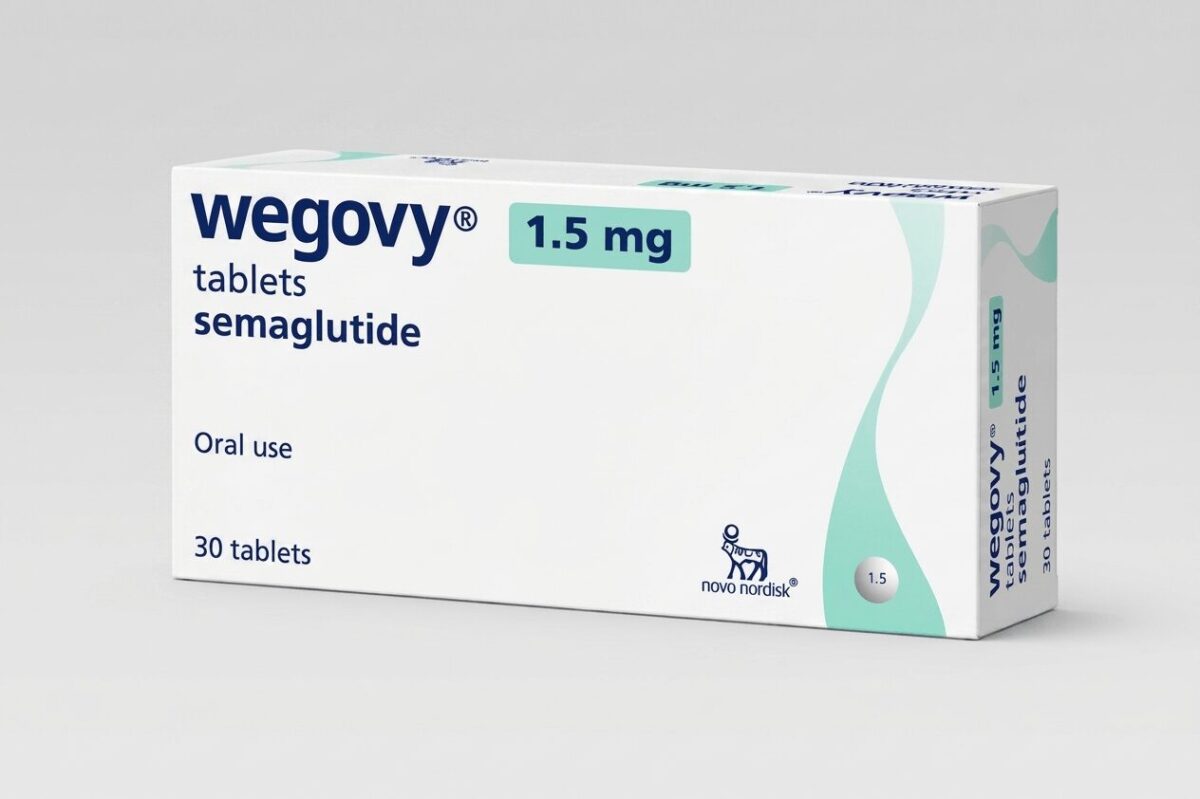
- The MHRA approved the first oral semaglutide tablet for weight loss in 2024, offering a pill alternative to weekly injections.
- Oral and injectable semaglutide produce near-identical weight loss results—efficacy isn’t the deciding factor.
- Pill adherence matters more than you’d think; injections work better for people who forget daily tablets but struggle with needles.
Here’s something that catches most people off guard: the new oral semaglutide tablet approved by the MHRA won’t necessarily work better than its injectable cousin. In fact, clinical data shows virtually identical weight loss outcomes between the two formats. What’s changed is the *choice*. For the first time in the UK, patients weighing up GLP-1 weight loss treatment can pick whether they swallow a tablet daily or inject weekly—and that choice matters far more than the marketing suggests.
If you’ve been waiting for the oral semaglutide tablet to hit UK pharmacies, it’s here. The question now isn’t whether it works. It’s whether it works *for you*—and that depends on something far more mundane than efficacy: whether you’ll actually take it.
What the MHRA Approval Actually Changes
The regulatory green light arrived for the oral tablet formulation in 2024, marking the first time UK patients could access semaglutide without a needle. Until now, the only GLP-1 option for weight loss in Britain was the weekly injection—Wegovy, or the cheaper semaglutide alternative through private weight-loss programmes. Now there’s another box on the prescription pad.
The oral tablet uses a clever bit of pharmaceutical engineering. Semaglutide is a protein, which your stomach acid normally destroys before it can reach your bloodstream. The tablet contains a permeation enhancer (a substance that lets it slip through your gut lining) and arrives in higher doses to account for what gets lost in translation. You take it once daily, on an empty stomach, waiting thirty minutes before eating anything. This matters—absorb it with food and efficacy plummets.
That’s where the first real trade-off emerges. Weekly injections? No food timing. No remembering. Swallow a tablet every morning and suddenly you’re building a habit into a routine that already has seventeen competing demands.
Efficacy: The Numbers Don’t Lie (Or Surprise)
Both formats use the same active drug. The oral tablet achieves comparable weight loss to the weekly injection—roughly 15–22% of body weight over 68 weeks, depending on the dose. A 2023 trial published in the New England Journal of Medicine found the 14mg oral dose matched injectable efficacy almost perfectly. HbA1c reductions (a proxy for metabolic improvement) were identical. Cardiovascular benefits? The same.
So why wouldn’t everyone just choose the tablet? Because efficacy isn’t the bottleneck. Adherence is.
Oral Tablet vs. Injectable Semaglutide: Where the Real Difference Lies
The Adherence Paradox
This is the bit GPs rarely discuss, but it’s crucial. A daily tablet requires you to remember it, find it, and work around meal timing—every single day. Injections happen once weekly, on a specific day, often with a reminder built into your calendar. Studies on other daily medications show adherence rates plummet after the first three months. With injections, you’re anchoring the habit to one moment in the week.
You can forget a tablet on Tuesday and still function. You can’t really half-forget an injection—you either do it, or you don’t. And that binary clarity? It works. People stay on injections longer.
Practical Differences That Matter Daily
The empty-stomach requirement for the oral tablet is real. You take it first thing, then wait. If you’re the kind of person who rolls out of bed and heads straight to the kitchen, this becomes friction. Injections live in your fridge; grab them once a week and you’re done.
Cost, at least through the NHS, isn’t yet a distinguishing factor—neither is widely available on prescription for weight loss alone. Private clinics stock both. The oral tablet is often marginally cheaper, but not enough to outweigh other considerations.
Side effects arrive faster with the daily tablet. With injections, your body titrates the drug gradually, once weekly. With a daily dose, you’re exposing your gut to active semaglutide every morning. Nausea peaks earlier. Some people adjust within days; others find the first fortnight genuinely unpleasant. This isn’t a dealbreaker, but it’s worth expecting.
Not sure which format suits your lifestyle? Our clinicians assess your adherence pattern, needle anxiety, and medication history to recommend the option most likely to stick.
Start your free assessment →
Who Actually Chooses the Pill Over the Needle
Needle anxiety is real, and it’s underestimated. If the thought of self-injecting triggers genuine distress, the tablet removes that barrier entirely. Some people manage fine; others avoid it for years, choosing instead to miss doses or stop treatment altogether. For that population, the oral formulation is genuinely liberating.
Patients with chaotic schedules often assume the injection wins by default—one dose weekly, set and forget. But paradoxically, some chaotic people prefer the tablet because they take other daily medications already. It slots into their existing morning routine. The question isn’t about the drug; it’s about your life.
Older adults and those with fine motor difficulties sometimes find tablets easier than managing injection pens, whilst the reverse is true for others. There’s no universal answer.
What the Data Says About Real-World Use
Evidence on long-term adherence between the two formats is still emerging—the oral tablet is too new for five-year follow-up studies. Early data from the trials showed comparable discontinuation rates, which suggests neither format has a massive adherence advantage. What matters is which one *you* will stick with.
Here’s an uncomfortable truth: people overestimate their adherence. Ask someone if they’ll take a daily pill and they’ll say yes. Six months later, they’ve missed three weeks of doses. Same person might say “I hate needles” and still inject consistently because it’s anchored to a ritual. Self-knowledge matters more than theoretical superiority.
The Practical Checklist: Pill or Injection?
Choose the tablet if:
- You already take daily medications and have a solid morning routine.
- Needle anxiety is significant enough to affect your treatment willingness.
- You prefer the psychological distance of a pill over a visible injection.
- Your GP or clinic has convinced you the empty-stomach timing is manageable.
Choose the injection if:
- Your life is unpredictable and you forget daily tasks (but remember weekly ones).
- You’re okay with needles and want the simplicity of once-weekly dosing.
- You’ve struggled with daily pill adherence in the past.
- You want to minimise the risk of early nausea derailing your treatment.
Neither is objectively better. Both work. The best one is the one you’ll actually use for more than three months.
What Happens Next: Wider Availability and Cost
The MHRA approval opens the door, but actual prescribing through the NHS remains patchy. Weight loss treatment isn’t routinely commissioned, and semaglutide access varies wildly depending on your local integrated care board. Private clinics are where most UK patients are sourcing both the tablet and injectable formulations right now, and competition is driving prices down. A month of the tablet runs roughly £150–180 privately; injections, £180–220.
The NHS may eventually widen access to oral semaglutide for weight loss, particularly for patients with comorbidities like type 2 diabetes or cardiovascular disease. When that happens, tablet availability will likely improve.
Frequently Asked Questions
Is the oral semaglutide tablet as effective as Wegovy injections?
Yes, clinical trials show virtually identical weight loss results. The 14mg daily tablet achieves around 15–22% body weight reduction, matching the highest-dose weekly injection. Efficacy isn’t the differentiator.
Can I switch between the tablet and injection mid-treatment?
In theory, yes—your doctor can switch you based on how you’re managing. In practice, switching requires a dose adjustment period because the daily tablet and weekly injection use different dosing schedules. Discuss any mid-treatment switch with your prescribing clinician first.
Will the oral semaglutide tablet be available on the NHS?
It’s currently available through private clinics. NHS prescribing remains limited and variable by region. There’s no confirmation of imminent widespread NHS access, though that may change as more evidence accumulates and demand increases.
What if I miss a dose of the tablet?
Skip it and resume the next day. Missing one dose won’t derail your progress, but the weekly injection’s advantage is that you’re less likely to forget entirely—it happens once a week, not seven times.
Does the empty-stomach requirement actually matter?
Yes. Food significantly reduces absorption. Wait at least 30 minutes after taking the tablet before eating or drinking anything except plain water. This is one reason some people find the injection simpler.
The oral semaglutide tablet changes the landscape by adding choice, not by outperforming the needle. That choice matters—not because one is secretly superior, but because your willingness to take treatment consistently trumps every other variable. If you’ve been waiting for a pill option, it’s here. If you’ve been happily injecting, there’s no need to switch. What matters is picking the format you’ll actually use, then sticking with it long enough to see results. That pragmatism—the unsexy acknowledgment that adherence beats efficacy—is what actually drives weight loss success.