Ozempic has become one of the most talked-about medications in recent years, frequently mentioned in news headlines, social media posts, and conversations about weight loss. But much of what circulates online is incomplete, misleading, or simply wrong, particularly when it comes to how Ozempic is actually licensed and available in the UK.
If you are considering Ozempic for weight loss, the most important thing to understand from the outset is this: Ozempic is not licensed for weight loss in the UK. It is approved exclusively for the management of type 2 diabetes. There are, however, licensed weight-loss alternatives that contain the same active ingredient and are specifically designed for weight management.
This guide explains what Ozempic is, how it works, why it has become associated with weight loss, and what your legitimate options are if you are looking for an effective, licensed weight-management treatment.
What Is Ozempic?
Ozempic is a prescription medication manufactured by Novo Nordisk. It contains the active ingredient semaglutide and is administered as a once-weekly subcutaneous injection using a pre-filled pen device.
In the UK, Ozempic is licensed by the Medicines and Healthcare products Regulatory Agency (MHRA) for one specific purpose: improving blood sugar control in adults with type 2 diabetes, alongside diet and exercise. It is available at doses of 0.25 mg (starting dose), 0.5 mg, and 1 mg (maintenance doses).
Ozempic is not licensed for weight management. This distinction matters for reasons of safety, regulation, and access, which we will explore below.
How Does Semaglutide Work?
Semaglutide, the active ingredient in both Ozempic and Wegovy, is a GLP-1 receptor agonist. GLP-1 (glucagon-like peptide-1) is a hormone your body produces naturally, primarily in the gut, in response to food. Semaglutide mimics this hormone, but with a much longer duration of action.
Its effects include:
- Appetite suppression: It acts on receptors in the brain that regulate hunger, reducing appetite and food cravings.
- Slowed gastric emptying: Food moves through your stomach more slowly, which means you feel full for longer after eating.
- Improved blood sugar regulation: It stimulates insulin secretion when blood sugar is elevated and reduces glucagon (a hormone that raises blood sugar levels).
- Cardiovascular protection: The SELECT trial demonstrated that semaglutide reduced the risk of major cardiovascular events (heart attack, stroke, and cardiovascular death) by 20% in overweight or obese adults with established cardiovascular disease.
These combined effects explain why patients taking Ozempic for diabetes often lose weight as a secondary benefit, which is what initially drew attention to semaglutide as a potential weight-loss treatment.
Why Is Ozempic Not Licensed for Weight Loss?
Licensing is not just a technicality. When a medication is licensed for a specific condition, it means the regulatory body has reviewed extensive clinical trial data and determined that the medication is safe and effective for that specific use, at specific doses, in a specific patient population.
Ozempic was studied and approved for type 2 diabetes management at doses up to 1 mg weekly. The weight-loss trials used higher doses of semaglutide (up to 2.4 mg weekly), which were developed into a separate product: Wegovy.
Using Ozempic for weight loss is considered off-label prescribing, meaning it is being used outside its approved indication. While off-label prescribing is legal in the UK and sometimes clinically appropriate, it carries important considerations:
- The dose approved for Ozempic (up to 1 mg) is lower than the dose shown to be most effective for weight loss (2.4 mg in Wegovy).
- Off-label use has not been through the same rigorous regulatory review for that specific purpose.
- It can contribute to supply shortages for diabetes patients who genuinely need the medication.
- Insurance and NHS coverage do not extend to off-label weight-loss use.
The Licensed Alternative: Wegovy
If semaglutide appeals to you as a weight-loss treatment, Wegovy is the medication you should be discussing with a prescriber. Wegovy contains the same active ingredient as Ozempic but is specifically licensed and dosed for weight management.
Key Differences Between Ozempic and Wegovy
| Feature |
Ozempic |
Wegovy |
| Active ingredient |
Semaglutide |
Semaglutide |
| Licensed use in the UK |
Type 2 diabetes only |
Chronic weight management |
| Maximum dose |
1 mg weekly |
2.4 mg or 7.2 mg weekly |
| Weight-loss evidence |
Not specifically studied for this use at approved doses |
Average 15% (2.4 mg) to 20.7% (7.2 mg) in trials |
| Administration |
Weekly injection |
Weekly injection |
Clinical Evidence for Semaglutide and Weight Loss
The weight-loss evidence for semaglutide is robust, but it comes from trials using doses higher than those approved for Ozempic.
The STEP Trials (Wegovy)
The STEP programme evaluated semaglutide 2.4 mg weekly across several large clinical trials. Key findings:
- Participants lost an average of approximately 15% of their body weight over 68 weeks.
- The higher 7.2 mg dose achieved approximately 20.7% weight loss, with nearly half of participants losing 20% or more of their body weight.
- Improvements were seen in blood pressure, cholesterol, blood sugar, and waist circumference.
The SELECT Trial (Cardiovascular Outcomes)
This landmark trial demonstrated that semaglutide 2.4 mg reduced the risk of major adverse cardiovascular events by 20% in overweight or obese adults with established cardiovascular disease. This was significant because the benefit was observed regardless of whether participants had diabetes, and even in those with minimal weight loss, suggesting cardiovascular benefits beyond weight reduction alone.
Side Effects and Safety
Because Ozempic and Wegovy contain the same active ingredient, their side-effect profiles are similar. The most common adverse effects are gastrointestinal and tend to occur during dose escalation.
Common Side Effects
- Nausea (the most frequently reported, particularly in early weeks)
- Diarrhoea
- Constipation
- Vomiting
- Abdominal discomfort
These effects typically diminish over time as the body adjusts. Eating smaller meals, staying hydrated, and avoiding very rich or fatty foods can help manage symptoms.
Serious Risks
- Pancreatitis: Inflammation of the pancreas causing severe abdominal pain. Seek immediate medical attention if you experience intense stomach pain radiating to your back.
- Thyroid concerns: Semaglutide carries a boxed warning regarding thyroid C-cell tumours observed in animal studies. It is contraindicated in patients with a personal or family history of medullary thyroid carcinoma or MEN 2.
- Kidney complications: Dehydration from vomiting or diarrhoea can worsen kidney function. Adequate hydration is essential, particularly during the early weeks.
- Gallbladder issues: Gallstones can occur during rapid weight loss. Report any sudden right-sided abdominal pain to your prescriber.
- Diabetic retinopathy: In diabetes patients, rapid improvement in blood sugar can temporarily worsen diabetic eye disease. This requires monitoring in at-risk individuals.
The NHS page on semaglutide provides comprehensive guidance on side effects and safety considerations.
Access and Cost in the UK
NHS Access
Ozempic is available on the NHS exclusively for the management of type 2 diabetes. It is not prescribed on the NHS for weight loss.
Wegovy can be accessed through NHS specialist weight-management services in some areas, though availability varies significantly across England, Scotland, Wales, and Northern Ireland, and waiting times can be considerable.
Private Access
Some private clinics prescribe Ozempic off-label for weight loss at costs exceeding 200 pounds per month. However, given that Wegovy is the licensed product for this purpose, most responsible providers will recommend Wegovy instead.
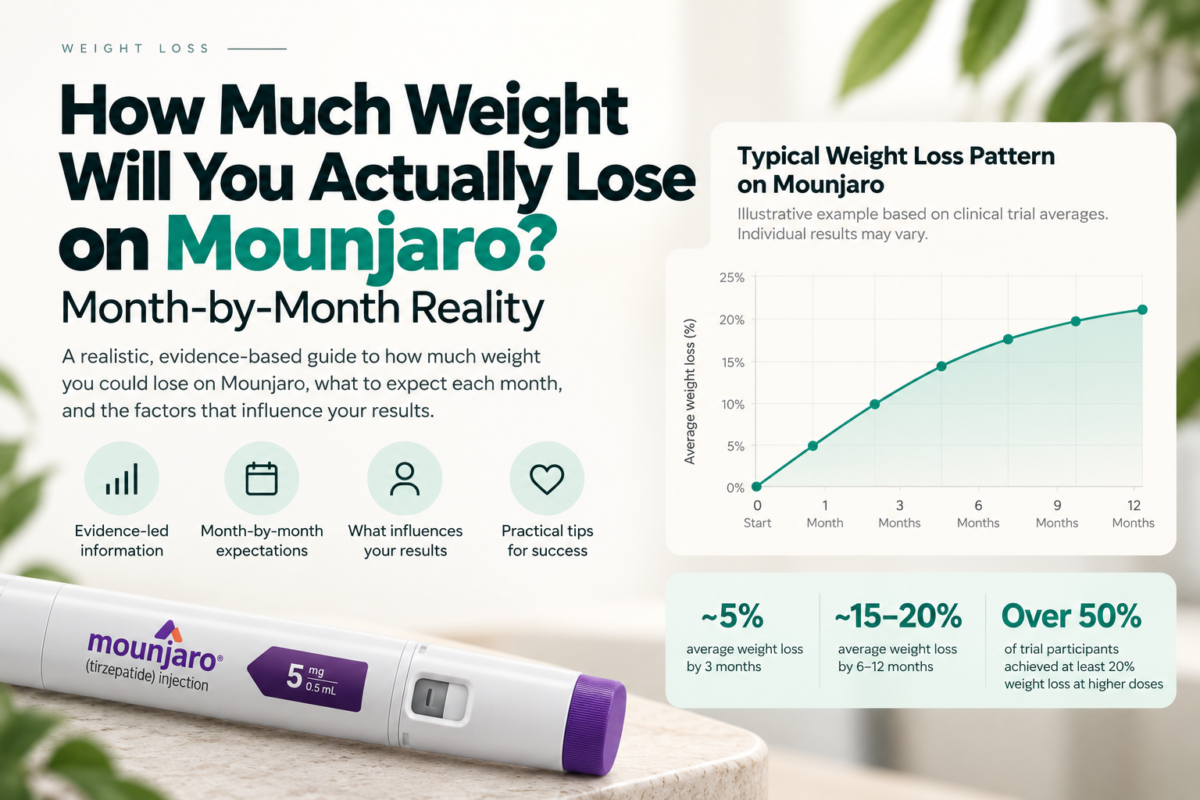
Mounjaro (tirzepatide), a dual GIP/GLP-1 receptor agonist manufactured by Eli Lilly, is another licensed alternative that has shown even greater average weight loss in clinical trials (up to 22.5% of body weight). It is available through private providers in the UK.
Ozempic vs Other Weight-Loss Medications
Ozempic vs Wegovy
Same active ingredient (semaglutide), but Wegovy is specifically licensed, dosed, and studied for weight management. If your goal is weight loss, Wegovy is the appropriate choice.
Ozempic vs Mounjaro
Mounjaro (tirzepatide) targets both GLP-1 and GIP receptors, which is a dual mechanism that has produced greater average weight loss in clinical trials. The SURMOUNT-1 trial showed up to 22.5% body weight loss with tirzepatide versus approximately 15% with semaglutide at standard doses. Mounjaro is licensed for weight management in the UK.
Ozempic vs Saxenda
Saxenda (liraglutide) is an older GLP-1 agonist requiring daily injections. It typically produces around 8% to 10% weight loss, which is less than semaglutide-based treatments. The convenience of weekly dosing also favours Wegovy and Mounjaro over Saxenda for most patients.
Looking for a Licensed Weight Loss Treatment?
Rather than pursuing off-label Ozempic, explore UK-licensed options like Wegovy and Mounjaro through Evernu’s clinician-led weight management programme. Our prescribers will assess your eligibility and recommend the most appropriate treatment for your needs.
Start your free eligibility assessment
What to Do If You Are Currently Taking Ozempic for Weight Loss
If a private clinic has prescribed you Ozempic off-label for weight loss, you are not necessarily doing anything wrong. However, it is worth discussing with your prescriber whether transitioning to a licensed weight-management medication like Wegovy or Mounjaro might be more appropriate, given that:
- Licensed products have been through rigorous clinical trials specifically for weight management.
- Wegovy offers higher doses (up to 2.4 mg or 7.2 mg) that have demonstrated greater weight loss than Ozempic’s maximum 1 mg dose.
- Using Ozempic off-label for weight loss contributes to supply pressures that affect diabetes patients who rely on the medication.
- A licensed treatment pathway provides a more structured and monitored approach to long-term weight management.
The Bigger Picture: Medication as Part of a Comprehensive Approach
Whether you ultimately pursue Wegovy, Mounjaro, or another treatment, medication alone is not the full solution. The best outcomes in every clinical trial have been achieved when medication is combined with:
- Sustainable dietary changes (not crash dieting) focused on adequate protein, fibre, and balanced nutrition
- Regular physical activity appropriate for your fitness level
- Ongoing clinical monitoring and support
- Attention to sleep, stress management, and overall wellbeing
Weight management is a long-term health commitment, and the right medication can make that commitment significantly more achievable.
Frequently Asked Questions
Is Ozempic legal for weight loss in the UK?
Off-label prescribing is legal in the UK, and some private clinics do prescribe Ozempic for weight loss. However, it is not licensed or recommended for this purpose. Wegovy (semaglutide at higher doses) and Mounjaro (tirzepatide) are the licensed weight-management alternatives that have been specifically studied and approved for this use.
Can my GP prescribe Ozempic for weight loss?
Most GPs will not prescribe Ozempic for weight loss because it falls outside its licence. They may refer you to a specialist weight-management service or suggest a private provider that offers licensed alternatives like Wegovy or Mounjaro.
How much weight can I lose on Ozempic?
Clinical trials for semaglutide at weight-management doses (2.4 mg, as used in Wegovy) showed average losses of approximately 15% of body weight over 68 weeks. At Ozempic’s lower doses (up to 1 mg), weight loss is likely to be less substantial, though individual responses vary.
What happens if I miss an Ozempic or Wegovy dose?
If you miss a dose and remember within five days, take it as soon as possible. If more than five days have passed, skip that week’s dose and resume your normal schedule the following week. Never take a double dose to compensate for a missed one.
Is it safe to buy Ozempic online for weight loss?
Purchasing prescription medications from unregulated online sources is dangerous. Counterfeit and substandard medications are a genuine risk, and without proper medical assessment and monitoring, you may be putting your health at risk. Always use a regulated, UK-based provider with qualified prescribers who conduct proper medical assessments.
Explore Licensed Weight Loss Options at Evernu
We offer safe, regulated access to Wegovy, Mounjaro, and other evidence-based treatments with full clinical support. Discreet delivery across England, Scotland, Wales, and Northern Ireland.
View our weight loss treatments