Erectile dysfunction is one of the most common reasons men start looking into their testosterone levels. It makes intuitive sense: testosterone is the “male hormone,” erections are a fundamental aspect of male sexual function, so low testosterone must cause erectile problems. Fix the testosterone, fix the erections.
The reality is more complicated than that. And being honest about the complexity is important, because if you are experiencing ED and you expect testosterone replacement therapy alone to resolve it, you may be disappointed. Worse, you might miss the real cause of your difficulties, some of which have significant implications for your broader health.
This article will walk you through what we know about the relationship between testosterone and erectile function, when TRT helps, when it does not, what other factors need to be investigated, and how combination approaches can offer the best outcomes for many men. No hype. No oversimplification. Just the evidence, explained honestly.
How Erections Actually Work: A Brief Overview
To understand why the relationship between testosterone and ED is nuanced, it helps to understand the basic mechanics of erection.
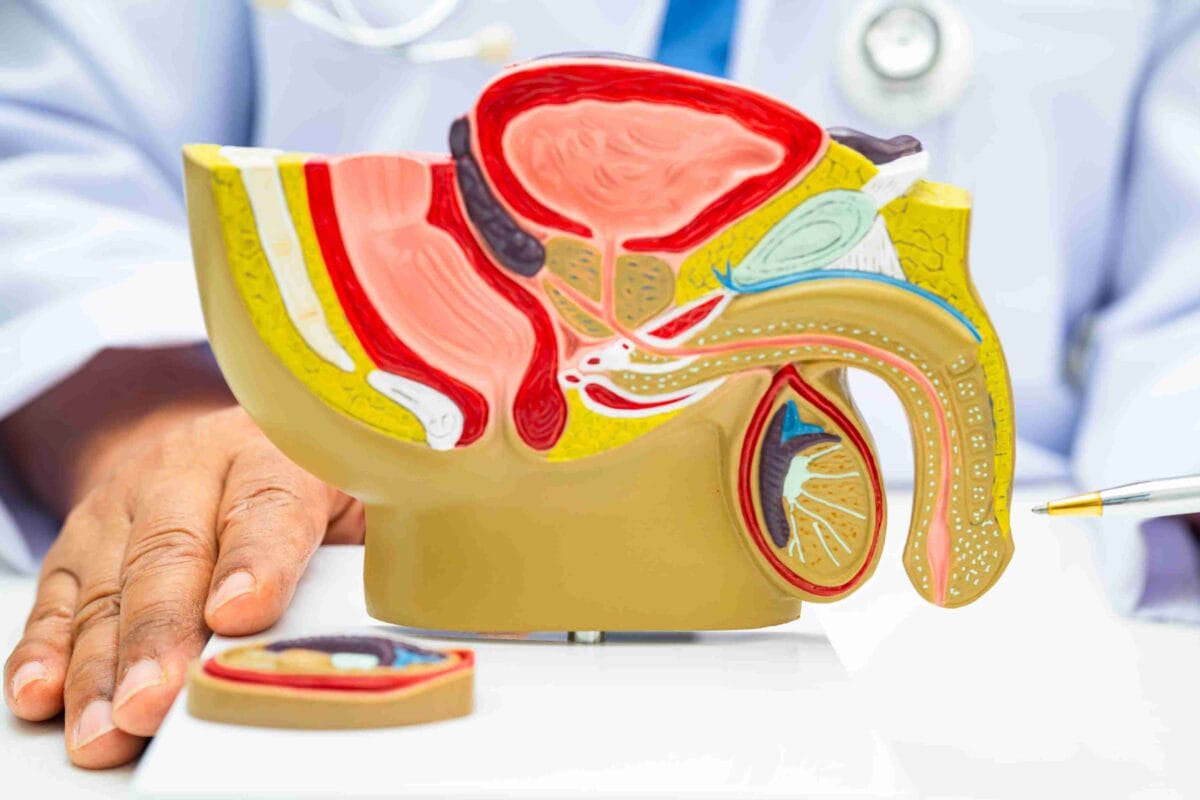
An erection is a neurovascular event. It requires the coordinated function of the nervous system, blood vessels, smooth muscle tissue, hormones, and psychological state. When sexual arousal occurs, signals from the brain travel via nerves to the penile tissue, triggering the release of nitric oxide. This causes the smooth muscle in the corpora cavernosa (the two spongy cylinders that run the length of the penis) to relax, allowing blood to flow in and fill the tissue. The expanding tissue compresses the veins that would normally drain blood away, trapping it and maintaining rigidity.
For this process to work properly, you need:
- Healthy blood vessels that can dilate and deliver adequate blood flow
- Intact nerve pathways from the brain and spinal cord to the penis
- Functioning smooth muscle that can relax appropriately
- Adequate hormonal signalling, including testosterone, which supports libido, nitric oxide production, and penile tissue health
- Psychological readiness, including arousal, relaxation, and absence of significant performance anxiety or distress
Erectile dysfunction occurs when any one or more of these components is compromised. This is why ED is not a single condition with a single cause. It is a symptom with many potential underlying factors, and effective treatment depends on identifying which factors are relevant in your particular case.
The Role of Testosterone in Erectile Function
Testosterone does play a genuine role in erectile function, but its role is more supportive than many men expect.
Testosterone contributes to erections in several ways:
Libido: This is the area where testosterone has the most direct and pronounced effect. Testosterone is the primary hormonal driver of sexual desire in men. Without adequate testosterone, the motivation for sexual activity diminishes, which naturally reduces the frequency and quality of erections. Many men with low T notice that they simply stop thinking about sex, and without that initial spark of desire, the physiological cascade that produces an erection is never triggered.
Nitric oxide signalling: Testosterone supports the production and signalling of nitric oxide in penile tissue, which is essential for vasodilation and blood flow. Animal studies and some human research suggest that testosterone deficiency can impair nitric oxide-dependent smooth muscle relaxation.
Penile tissue health: Testosterone appears to play a role in maintaining the structural integrity of penile smooth muscle and connective tissue. Prolonged testosterone deficiency may contribute to fibrotic changes in the corpora cavernosa, potentially making the tissue less responsive over time.
Central nervous system activation: Testosterone influences areas of the brain involved in sexual arousal and the initiation of erections. Low testosterone can dampen the central nervous system’s contribution to the erectile process.
However, testosterone is not the primary driver of the vascular and mechanical aspects of erection. You can have perfectly normal testosterone levels and still have significant ED due to vascular disease, nerve damage, medication effects, or psychological factors. Conversely, some men with testosterone levels at the lower end of the normal range maintain satisfactory erectile function because their vascular, neurological, and psychological systems are intact.
When ED Is Caused by Low Testosterone
There is a subset of men for whom low testosterone is a primary contributor to their erectile difficulties. These men typically present with a recognisable pattern:
- Reduced libido is the dominant sexual symptom, often preceding erectile difficulties
- Gradual onset of ED rather than sudden loss of function
- Reduced frequency or absence of morning erections (nocturnal/early morning erections are testosterone-sensitive)
- Accompanying symptoms of testosterone deficiency: fatigue, mood changes, reduced muscle mass, increased body fat
- Confirmed low testosterone on blood testing (total testosterone below the lower limit of the reference range on at least two morning samples)
For these men, restoring testosterone to the physiological range through TRT can meaningfully improve both desire and erectile function. The improvement in libido tends to be more reliable and robust than the improvement in erection quality alone, but many men experience benefits in both areas.
When ED Has Other Causes (and Why This Matters for Your Health)
For the majority of men with ED, particularly those over 50, the primary cause is vascular. This is not a trivial distinction, because erectile dysfunction caused by vascular disease is an early warning sign of broader cardiovascular risk.
The penile arteries are significantly smaller than the coronary arteries that supply the heart. Atherosclerosis (the buildup of fatty deposits in artery walls) tends to affect smaller arteries first. This means that ED can precede a heart attack or stroke by several years. Research published in the European Heart Journal has demonstrated that ED is an independent predictor of future cardiovascular events.
This is why proper investigation of ED matters so much. If your erectile dysfunction is being driven by vascular disease and the only investigation is a testosterone blood test, the underlying cardiovascular risk goes undetected.
Other common causes of ED include:
Vascular factors: Hypertension, diabetes, high cholesterol, smoking, obesity, and peripheral vascular disease all impair blood flow and can cause ED. The NHS lists cardiovascular disease as one of the leading causes of erectile dysfunction.
Neurological factors: Conditions affecting nerve function, including diabetes (which can cause peripheral neuropathy), multiple sclerosis, spinal cord injuries, and prostate surgery, can disrupt the nerve signals required for erection.
Medications: Numerous commonly prescribed medications can contribute to ED, including certain antidepressants (particularly SSRIs), blood pressure medications (especially beta-blockers and thiazide diuretics), antihistamines, and opioid painkillers.
Psychological factors: Performance anxiety, relationship difficulties, stress, depression, and past sexual trauma can all cause or perpetuate ED. Psychological ED is more common in younger men and tends to be situational rather than consistent (for example, difficulty with a partner but not during masturbation).
Structural factors: Peyronie’s disease (scar tissue in the penis causing curvature) and other anatomical abnormalities can contribute to erectile difficulties.
Lifestyle factors: Excessive alcohol consumption, recreational drug use, cycling on poorly fitted bikes for extended periods, and chronic sleep deprivation can all affect erectile function.
What TRT Can and Cannot Fix
Let us be direct about this, because managing expectations is essential for anyone considering TRT for erectile difficulties.
TRT is likely to help when:
- You have confirmed low testosterone on blood testing
- Your primary sexual symptom is reduced desire (low libido)
- You have noticed a decline in morning erections
- Your erectile difficulties are clearly linked to hormonal deficiency rather than vascular disease
- You have other symptoms of testosterone deficiency alongside ED
TRT alone is unlikely to resolve ED when:
- Your testosterone levels are within the normal range
- Your ED is primarily vascular (caused by diabetes, hypertension, smoking, atherosclerosis)
- Your ED is neurological in origin (post-prostatectomy, diabetic neuropathy)
- Your ED is primarily psychological (performance anxiety, relationship issues)
- Your ED is medication-related
The honest truth is that for many men with ED, particularly those in middle age and beyond, multiple factors are at play simultaneously. A man might have modestly low testosterone AND early vascular disease AND performance anxiety that has developed secondary to his erectile difficulties. In these cases, addressing only one factor is unlikely to produce a satisfactory outcome.
Combination Approaches: TRT and PDE5 Inhibitors
For men who have both low testosterone and a vascular or mixed component to their ED, the combination of TRT with a PDE5 inhibitor (phosphodiesterase type 5 inhibitor) often produces better results than either treatment alone.
PDE5 inhibitors, including sildenafil (Viagra), tadalafil (Cialis), and vardenafil (Levitra), work by enhancing the nitric oxide signalling pathway in penile tissue, making it easier for blood to flow in and an erection to be achieved and maintained. They are the first-line pharmacological treatment for ED and are effective for the majority of men, regardless of the underlying cause.
There is evidence from clinical studies that some men who do not respond adequately to PDE5 inhibitors alone do respond when testosterone is also optimised. The proposed mechanism is that adequate testosterone levels are needed for the nitric oxide system to function optimally, so restoring testosterone creates the biological conditions under which PDE5 inhibitors can work more effectively.
The British Society for Sexual Medicine (BSSM) guidelines recommend that testosterone levels should be checked in men with ED, and that testosterone deficiency should be corrected in conjunction with other treatments rather than being ignored or treated in isolation.
Realistic Expectations for TRT and Erectile Function
If you are considering TRT primarily for its potential effects on erectile function, here is what a realistic timeline and outcome might look like:
Libido improvement: Often one of the first benefits noticed, typically within 3-6 weeks of starting TRT. Many men report that sexual desire returns before erectile function itself improves.
Erectile function improvement: May take longer to manifest, often 3-6 months, and the degree of improvement depends heavily on the underlying cause of your ED. Men whose ED is primarily hormonal tend to see the most improvement. Men with significant vascular disease will likely need combination treatment.
Morning erections: The return of spontaneous morning erections is often one of the clearest early indicators that testosterone levels are reaching the therapeutic range. Many men notice this within the first month or two.
What to expect overall: TRT alone resolves ED completely in a minority of men with low T. It meaningfully improves erectile function (alongside other treatments where needed) in a larger proportion. And it almost always improves libido and general sexual wellbeing in men who were genuinely testosterone deficient. The expectation should be improvement, not necessarily perfection, and the best outcomes come from a comprehensive approach rather than relying on testosterone alone.
Why Proper Investigation Matters
If there is one message to take from this article, it is this: erectile dysfunction deserves proper investigation, not just a prescription.
Whether you are consulting your NHS GP in Birmingham, a men’s health clinic in Edinburgh, or an online healthcare provider, your assessment for ED should include:
- A detailed medical history, including cardiovascular risk factors, medications, and psychological health
- Blood tests including testosterone (morning sample), glucose or HbA1c (to screen for diabetes), lipid profile, and thyroid function
- Blood pressure measurement
- An honest conversation about the pattern of your ED: gradual or sudden onset, situational or consistent, presence or absence of morning erections
- Assessment of other symptoms that might suggest testosterone deficiency
This investigation serves two purposes. First, it identifies the most appropriate treatment strategy. Second, and equally importantly, it can uncover cardiovascular risk factors or other medical conditions that need attention in their own right. Some men owe their lives to the fact that their ED prompted an investigation that revealed undiagnosed diabetes or dangerously high blood pressure.
Taking the Next Step
If you are experiencing erectile difficulties and you wonder whether testosterone might be part of the picture, getting your levels tested is a sensible and straightforward first step. It does not commit you to treatment. It gives you information.
At Evernu, we provide comprehensive testosterone assessment as part of our RQIA-regulated men’s health service. Our clinicians understand that ED is rarely a simple, single-cause problem, and we take the time to understand the full context of your symptoms before recommending treatment. Where TRT is appropriate, we prescribe and monitor it according to established clinical guidelines. Where other factors need addressing, we ensure you know about it and can access appropriate care.
Erectile dysfunction is common. It is not a reflection of your masculinity or your worth. And in most cases, it is treatable. But effective treatment starts with understanding what is actually causing it.
Frequently Asked Questions About TRT and Erectile Dysfunction
Will testosterone replacement therapy cure my erectile dysfunction?
TRT alone cures ED in some men, specifically those whose erectile difficulties are primarily caused by testosterone deficiency. For many men, however, ED involves multiple contributing factors, and TRT is most effective as part of a broader treatment approach. Men with vascular ED, for example, often achieve the best results when TRT is combined with PDE5 inhibitors like sildenafil or tadalafil. Setting realistic expectations from the outset leads to better satisfaction with treatment outcomes.
Can I take Viagra or Cialis alongside testosterone therapy?
Yes. TRT and PDE5 inhibitors work through different mechanisms and can be safely used together under medical supervision. In fact, some clinical guidelines recommend that testosterone levels be optimised before concluding that a patient is a “non-responder” to PDE5 inhibitor therapy. Some men who found Viagra or Cialis ineffective discover that these medications work better once their testosterone levels have been restored to the normal range.
My testosterone is normal but I still have ED. What should I do?
If your testosterone levels are within the normal range, your ED is likely being caused by other factors. The most common causes include vascular disease (particularly in men with diabetes, hypertension, or high cholesterol), medication side effects, neurological conditions, or psychological factors such as performance anxiety. A thorough evaluation including cardiovascular risk assessment is important. Speak to your GP or a specialist men’s health clinician about further investigation. ED with normal testosterone levels should not be dismissed, as it may indicate underlying health conditions that need attention.
How do I know if my ED is physical or psychological?
There are some general patterns, though overlap is common. Psychological ED tends to have a more sudden onset, is often situational (you can get erections in some circumstances but not others), and morning erections are usually preserved. Physical ED tends to develop gradually, is consistent across situations, and morning erections may be reduced or absent. However, many men have elements of both, as the anxiety and frustration caused by physical ED often creates a psychological component that perpetuates the problem. A proper medical assessment can help distinguish between the two and guide appropriate treatment.
Is erectile dysfunction a sign of something more serious?
It can be. Erectile dysfunction, particularly when it develops gradually in men over 40, is a well-established early marker of cardiovascular disease. The blood vessels supplying the penis are smaller than those supplying the heart, so they are affected by atherosclerosis earlier. Studies have shown that ED can precede a heart attack or stroke by 3-5 years. This is one of the most important reasons why ED should be properly investigated rather than simply treated with medication. Your GP should assess cardiovascular risk factors including blood pressure, cholesterol, and blood glucose as part of any ED evaluation.