The relationship between testosterone and metabolic health is one of the most clinically significant — and most underappreciated — areas of men’s medicine. Low testosterone and type 2 diabetes are not just common co-travellers; they fuel each other in a vicious cycle that can be remarkably difficult to break without addressing both conditions.
If you have type 2 diabetes or prediabetes and you’re experiencing symptoms of low testosterone (fatigue, low libido, weight gain, poor concentration), the connection is unlikely to be coincidental. And if you have low testosterone with insulin resistance, metabolic syndrome, or excess visceral fat, you may be on a trajectory towards diabetes even if your blood sugar looks acceptable today.
This article examines the bidirectional relationship between testosterone and type 2 diabetes, reviews the evidence on whether TRT can improve metabolic health, and explains what this means for your care.
The Bidirectional Link: How Low Testosterone and Diabetes Feed Each Other
The relationship between low testosterone and type 2 diabetes is not a simple cause-and-effect. It’s a self-reinforcing cycle where each condition worsens the other.
How low testosterone promotes insulin resistance and diabetes
Testosterone plays a direct role in metabolic regulation. At the cellular level, it influences how your body handles glucose and fat. When testosterone is deficient, several metabolic processes go wrong:
- Insulin sensitivity decreases. Testosterone promotes glucose uptake in muscle tissue. When testosterone is low, muscles become less responsive to insulin, meaning the pancreas has to produce more insulin to achieve the same effect. Over time, this leads to insulin resistance — the precursor to type 2 diabetes.
- Visceral fat accumulates. Low testosterone shifts fat storage towards the visceral compartment (the metabolically active fat around your organs). Visceral fat is not simply inert storage — it actively secretes inflammatory cytokines and hormones that worsen insulin resistance, creating a feed-forward loop.
- Lean muscle mass declines. Muscle is the largest glucose disposal organ in the body. When you lose muscle (as happens with testosterone deficiency), your capacity to clear glucose from the blood diminishes, further promoting hyperglycaemia and insulin resistance.
- Inflammation increases. Low testosterone is associated with increased systemic inflammation, which is a key driver of insulin resistance and metabolic syndrome.
How diabetes and obesity suppress testosterone
The relationship works in the opposite direction too. Type 2 diabetes and its associated metabolic disturbances actively suppress testosterone production:
- Adipose tissue converts testosterone to oestradiol. Fat cells contain the enzyme aromatase, which converts testosterone to oestradiol (a form of oestrogen). The more body fat you carry — particularly visceral fat — the more testosterone is converted. This both reduces testosterone directly and signals the pituitary gland to reduce further production (via negative feedback).
- Insulin resistance impairs Leydig cell function. The Leydig cells in the testes, which produce testosterone, are sensitive to metabolic stress. Chronic hyperinsulinaemia and hyperglycaemia impair their function.
- SHBG drops with insulin resistance. Insulin suppresses SHBG (sex hormone-binding globulin) production by the liver. While lower SHBG means more free testosterone in theory, the overall effect in the context of obesity and diabetes is a net reduction in total testosterone that outweighs any increase in the free fraction.
- Central obesity disrupts the HPG axis. The hypothalamic-pituitary-gonadal (HPG) axis — the hormonal signalling cascade that controls testosterone production — is suppressed by obesity-related inflammation and metabolic dysfunction.
The result is a vicious cycle: low testosterone promotes fat gain and insulin resistance, which further suppresses testosterone, which worsens metabolic health, and so on. Breaking this cycle requires intervention at one or both ends.
How Common Is Low Testosterone in Men with Diabetes?
The prevalence is striking. Studies consistently show that approximately 25-40% of men with type 2 diabetes have biochemically low testosterone. Some studies using more sensitive free testosterone measurements place the figure even higher.
A large UK study published in Diabetes Care found that men with type 2 diabetes had significantly lower total and free testosterone levels compared to age-matched men without diabetes, independent of obesity. The relationship held after controlling for BMI, meaning diabetes itself — not just the associated weight gain — contributes to testosterone suppression.
Despite this high prevalence, testosterone deficiency in diabetic men is profoundly under-diagnosed. Many of the symptoms (fatigue, low energy, cognitive difficulty, reduced motivation) overlap with symptoms attributed to the diabetes itself, and testosterone testing is not routinely performed in diabetes care pathways.
If you have type 2 diabetes and are experiencing fatigue, low libido, or low mood, it is worth asking your GP or diabetes team to check your testosterone levels. Our free ADAM screening questionnaire can help you assess whether your symptoms are consistent with testosterone deficiency.
The Evidence: Can TRT Improve Metabolic Health?
The research on TRT’s effects on metabolic markers in men with low testosterone is substantial and, on the whole, encouraging. Several key studies deserve discussion.
The T4DM Trial
The Testosterone for Prevention of Type 2 Diabetes Mellitus (T4DM) trial is arguably the most important study in this area. Published in the New England Journal of Medicine in 2021, it was a large, randomised, double-blind, placebo-controlled trial conducted across Australian centres.
The study enrolled 1,007 men aged 50-74 with a waist circumference of 95cm or more, who were at high risk of or had newly diagnosed type 2 diabetes (impaired glucose tolerance or newly diagnosed on oral glucose tolerance testing), and who had low-normal testosterone (below 14 nmol/L).
Participants received either testosterone undecanoate (Nebido) or placebo for two years, alongside a lifestyle modification programme (diet and exercise) that all participants followed.
Key findings:
- Type 2 diabetes diagnosis was significantly reduced in the testosterone group. At two years, 12% of men in the testosterone group had progressed to type 2 diabetes compared to 21% in the placebo group — a 40% relative risk reduction.
- Two-hour glucose levels improved significantly more in the testosterone group.
- Visceral fat decreased more in the testosterone group, even though both groups were on the same lifestyle programme.
- Lean body mass increased in the testosterone group.
- HbA1c improved modestly in the testosterone group compared to placebo.
Crucially, both groups received lifestyle intervention. The testosterone group got better results despite the same diet and exercise programme, suggesting that TRT provided additional metabolic benefit beyond what lifestyle changes alone could achieve.
Registry Studies and Long-Term Data
Several long-term observational studies add to the picture. The Moscow registry study, following over 800 men with low testosterone and metabolic syndrome for up to 11 years, found that men treated with TRT showed sustained improvements in:
- Fasting glucose and HbA1c
- Body weight and waist circumference
- Lipid profiles (total cholesterol, LDL, triglycerides)
- Blood pressure
Men who remained untreated showed progressive worsening of these same markers over the same period. The divergence between treated and untreated groups widened with time, suggesting that TRT’s metabolic benefits are cumulative and sustained.
HbA1c Improvements
HbA1c (glycated haemoglobin) is the gold-standard measure of long-term blood sugar control in diabetes management. Multiple studies have examined the effect of TRT on HbA1c in men with low testosterone and type 2 diabetes:
| Study |
Duration |
HbA1c Change on TRT |
| Hackett et al. (2014) |
30 weeks |
-0.41% (statistically significant vs placebo) |
| Dhindsa et al. (2016) |
24 weeks |
-0.94% (in insulin-resistant men) |
| Hackett et al. (BLAST study, 2016) |
30 weeks |
-0.54% (in men on multiple diabetes medications) |
| Moscow Registry (Saad et al., 2016) |
8 years |
-1.05% (long-term sustained reduction) |
To put these numbers in context, the NHS considers an HbA1c reduction of 0.5% or more to be clinically meaningful. Some of the diabetes medications routinely prescribed on the NHS achieve HbA1c reductions in a similar range. This doesn’t mean TRT replaces diabetes medication, but it suggests that for men with both conditions, TRT could provide meaningful additional metabolic benefit.
How TRT Improves Metabolic Health: The Mechanisms
Understanding how TRT achieves these metabolic improvements helps explain why the benefits are real and physiologically coherent, not just statistical correlations.
1. Visceral fat reduction
TRT consistently reduces visceral (abdominal) fat in men with low testosterone. Visceral fat is not just cosmetically undesirable — it’s metabolically toxic. It secretes inflammatory cytokines (TNF-alpha, IL-6), resistin, and other molecules that directly promote insulin resistance. By reducing visceral fat, TRT removes a key driver of metabolic dysfunction.
The effect on visceral fat appears to be relatively specific. While TRT also modestly reduces overall body fat, the proportional reduction in visceral fat is typically greater, which is especially beneficial for metabolic health.
2. Increased lean muscle mass
Testosterone is the primary anabolic hormone in men, driving muscle protein synthesis and maintaining lean body mass. More muscle means greater glucose disposal capacity — your muscles are where the majority of insulin-stimulated glucose uptake occurs. By increasing muscle mass, TRT improves your body’s ability to clear glucose from the blood, directly improving insulin sensitivity.
3. Direct effects on insulin signalling
Beyond its effects on body composition, testosterone appears to have direct effects on insulin signalling pathways. Animal studies and in vitro research suggest that testosterone enhances the expression and activity of key glucose transporters (GLUT4) in muscle tissue, improving cellular glucose uptake independent of changes in body composition.
4. Reduced inflammation
Chronic low-grade inflammation is a hallmark of metabolic syndrome and type 2 diabetes. Low testosterone is associated with elevated inflammatory markers (C-reactive protein, IL-6, TNF-alpha). TRT has been shown to reduce these markers, which may contribute to improved insulin sensitivity and overall metabolic function.
5. Improved energy and motivation
This mechanism is less direct but clinically important. Men with low testosterone often lack the energy and motivation to exercise, prepare healthy meals, and maintain the lifestyle habits that are fundamental to diabetes management. By restoring energy and drive, TRT can facilitate the behaviour changes that further improve metabolic health. The combination of TRT and active lifestyle modification — as demonstrated in the T4DM trial — produces better outcomes than either alone.
Who Benefits Most from TRT in the Context of Diabetes?
Not every man with type 2 diabetes has low testosterone, and TRT is only appropriate for men with confirmed testosterone deficiency. However, certain groups are most likely to benefit:
- Men with type 2 diabetes and biochemically confirmed low testosterone — The primary target population. If your testosterone is genuinely low and you have symptoms, TRT addresses both the hormonal deficiency and its metabolic consequences.
- Men with prediabetes/metabolic syndrome and low testosterone — The T4DM trial specifically demonstrated that TRT reduced the progression from prediabetes to diabetes. Early intervention may prevent diabetes altogether in this group.
- Men with significant visceral obesity and low testosterone — Those with the highest visceral fat burden tend to see the most dramatic improvements in body composition and metabolic markers.
- Men struggling with lifestyle modification due to fatigue and low motivation — If low testosterone is the barrier to exercise and dietary change, TRT can break the deadlock.
TRT is not a substitute for diabetes management. It should be used alongside — not instead of — appropriate diabetes medications, dietary management, and physical activity. Think of it as addressing an additional, often-overlooked component of metabolic health.
Weight Loss and TRT: A Synergistic Effect
The relationship between testosterone and weight is particularly relevant for men with diabetes. Excess weight (especially visceral fat) suppresses testosterone, and low testosterone promotes further weight gain. TRT helps break this cycle by:
- Increasing metabolic rate through greater lean muscle mass
- Directly reducing visceral fat deposits
- Improving energy and motivation for physical activity
- Enhancing the body composition response to exercise
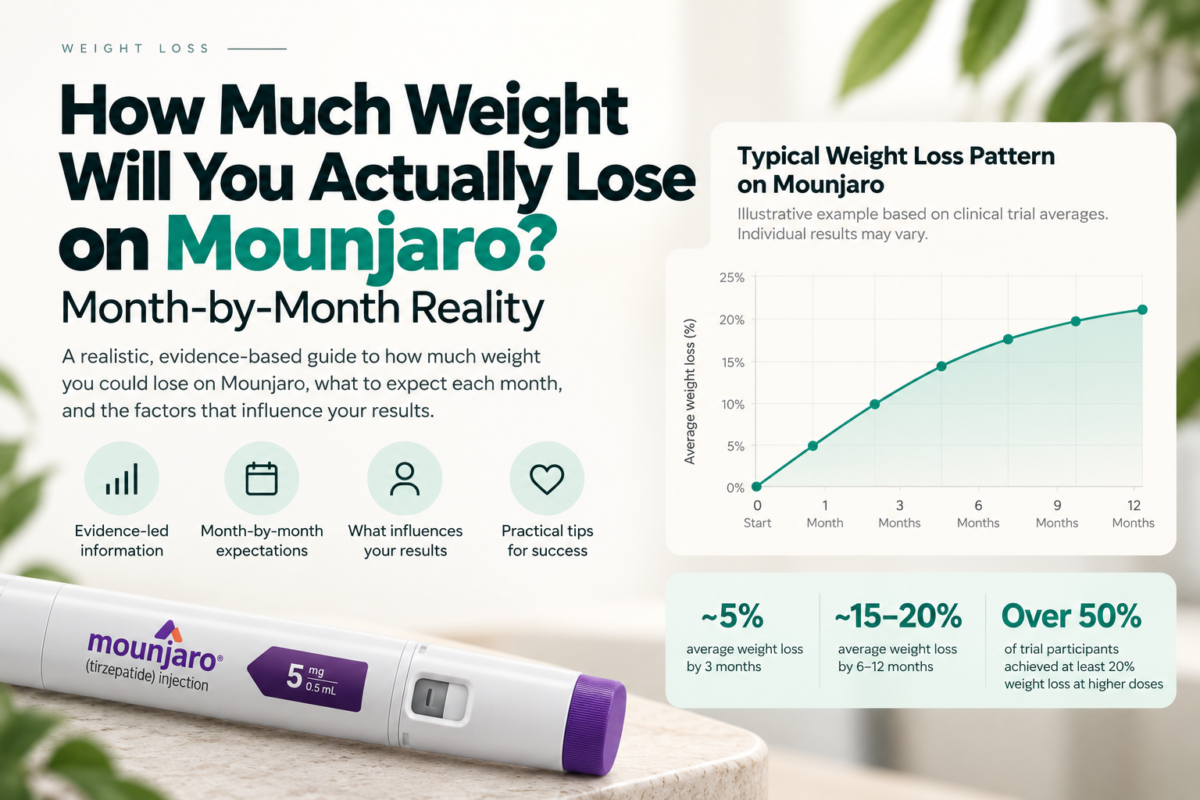
For men who need additional weight loss support, GLP-1 weight loss treatments such as Mounjaro or Wegovy can complement TRT effectively. GLP-1 medications improve blood sugar control and promote significant weight loss, while TRT preserves lean muscle mass during weight loss (a common concern with any weight loss programme). The combination addresses metabolic health from multiple angles.
If you’re interested in exploring whether weight loss treatment could benefit you alongside TRT, our weight loss questionnaire can help assess your eligibility.
Monitoring Blood Sugar on TRT
If you have diabetes or prediabetes and start TRT, specific monitoring considerations apply:
Blood sugar monitoring
As insulin sensitivity improves on TRT, blood sugar levels may decrease. This is a positive outcome, but it requires attention — particularly if you are on diabetes medications that can cause hypoglycaemia (such as sulphonylureas or insulin). Your diabetes medication doses may need reducing as your metabolic health improves.
We recommend:
- More frequent blood sugar monitoring in the first 3-6 months of TRT
- Keeping your diabetes team informed that you’ve started TRT
- Being alert to symptoms of hypoglycaemia (shakiness, sweating, confusion)
- Requesting an HbA1c test at 3 months and 6 months after starting TRT to track progress
Metabolic panel monitoring
In addition to the standard TRT monitoring (testosterone levels, haematocrit, PSA), men with diabetes or metabolic syndrome should also have regular monitoring of:
| Marker |
What It Shows |
Frequency |
| HbA1c |
3-month average blood sugar control |
Every 3-6 months |
| Fasting glucose |
Current blood sugar level |
Each blood test |
| Fasting insulin |
Insulin resistance assessment |
Baseline, 6 months, annually |
| Lipid profile |
Cholesterol and triglycerides |
Every 6-12 months |
| Liver function |
Liver health (relevant for metabolic syndrome) |
Every 6-12 months |
| Blood pressure |
Cardiovascular risk |
Each consultation |
| Waist circumference |
Visceral fat indicator |
Each consultation |
This comprehensive monitoring allows your clinical team to track the metabolic benefits of TRT objectively and adjust both your TRT protocol and your diabetes management accordingly.
What the Guidelines Say
Recognition of the testosterone-diabetes link is growing in clinical guidelines:
- The British Society for Sexual Medicine (BSSM) guidelines explicitly recommend screening men with type 2 diabetes for testosterone deficiency and treating those who are symptomatic and biochemically deficient.
- The European Association of Urology (EAU) guidelines acknowledge the metabolic benefits of TRT in men with hypogonadism and metabolic syndrome.
- NICE recognises testosterone deficiency as a condition requiring treatment when confirmed by blood tests and clinical symptoms, though it does not yet specifically integrate testosterone screening into diabetes care pathways.
- The Endocrine Society clinical practice guidelines recommend testing testosterone in men with type 2 diabetes, particularly those with symptoms suggestive of hypogonadism.
Despite these guideline recommendations, routine testosterone screening in men with diabetes remains uncommon in UK primary care. If you have type 2 diabetes and symptoms of low testosterone, you may need to proactively request testing.
Important Caveats
While the evidence for TRT’s metabolic benefits is encouraging, some important caveats apply:
- TRT is not a diabetes treatment per se. It should not be used as a primary therapy for type 2 diabetes. It is appropriate for men who have both confirmed testosterone deficiency and diabetes/metabolic syndrome.
- Lifestyle modification remains fundamental. The T4DM trial paired TRT with a lifestyle programme. TRT alone, without attention to diet and exercise, will produce smaller benefits.
- Not all men with diabetes have low testosterone. Testosterone testing must confirm deficiency before treatment is initiated. Treating a man with normal testosterone levels will not produce the same metabolic benefits.
- Individual responses vary. While population-level data is compelling, not every man will experience the same degree of metabolic improvement.
- Cardiovascular safety. The TRAVERSE trial confirmed that TRT does not increase cardiovascular risk in men with existing cardiovascular disease or risk factors. However, men with diabetes are at elevated cardiovascular risk, and comprehensive cardiovascular monitoring remains important.
What Should You Do?
If you have type 2 diabetes, prediabetes, or metabolic syndrome and you’re experiencing symptoms that could indicate low testosterone, here is our practical advice:
- Get tested. Ask your GP or diabetes team to include testosterone (total and free), SHBG, and LH in your next blood panel. Alternatively, our comprehensive at-home testosterone test covers all relevant markers including metabolic health indicators.
- Screen your symptoms. Take our free ADAM questionnaire to assess whether your symptoms are consistent with testosterone deficiency.
- Don’t assume your symptoms are “just diabetes.” Fatigue, low energy, reduced motivation, and sexual dysfunction are common in both diabetes and low testosterone. If both conditions are present, treating only the diabetes leaves the testosterone deficiency unaddressed — and the vicious cycle continues.
- Consider a comprehensive approach. If you’re eligible, combining TRT with medical weight loss treatment and lifestyle modification can produce profound improvements in metabolic health. Our clinicians can help you develop an integrated plan.
- Explore our services. Visit our testosterone treatment page to learn how we diagnose and manage testosterone deficiency with ongoing clinical monitoring, including metabolic health tracking for men with diabetes.
The connection between low testosterone and type 2 diabetes is well-established, biologically coherent, and increasingly supported by high-quality clinical evidence. For men living with both conditions, addressing testosterone deficiency isn’t an optional add-on — it’s a clinically meaningful intervention that can improve metabolic health, body composition, quality of life, and potentially the trajectory of the diabetes itself.