A late period can send your mind into overdrive. Whether your first thought is pregnancy, something medical, or just plain confusion, the anxiety of a cycle that does not arrive on schedule is something millions of women experience every year. The truth is, there are many reasons why your period might be late — and most of them are not cause for alarm.
The average menstrual cycle is around 28 days, but “average” is doing a lot of heavy lifting in that sentence. Normal cycles can range from 21 to 35 days, and even within your own pattern, variations of a few days in either direction are completely ordinary. A period is generally considered late if it has not arrived within seven days of when you expected it.
This guide covers the most common reasons for a late or missed period, how to work out what might be going on, and when it makes sense to speak with your GP.
Pregnancy
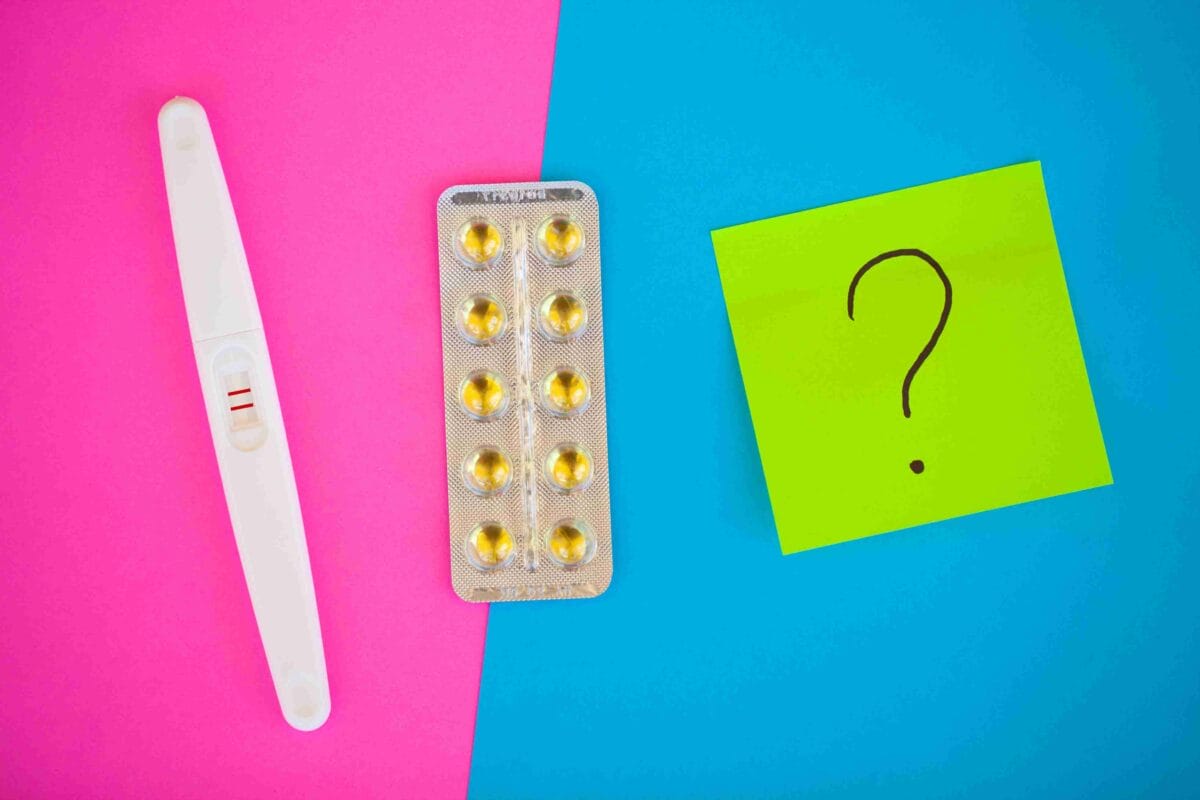
Let us address the elephant in the room first. If you are sexually active and your period is late, pregnancy is the most obvious possibility to rule out. Even if you use contraception consistently, no method is 100% effective (with the exception of abstinence), so a missed period always warrants a pregnancy test if there is any chance of conception.
Home pregnancy tests are highly accurate when used correctly from the first day of your missed period. They detect human chorionic gonadotropin (hCG) in your urine, a hormone produced shortly after a fertilised egg implants in the womb. For the most reliable result, use the test first thing in the morning when hCG concentration is highest.
If the test is negative but your period still has not arrived after another week, it is worth testing again — sometimes hCG levels take a few extra days to reach detectable levels, particularly if ovulation occurred later than usual in that cycle.
Stress
Your menstrual cycle is governed by a carefully orchestrated cascade of hormones, and that cascade is surprisingly sensitive to what is happening in the rest of your body and life. Stress — whether physical or psychological — is one of the most common non-pregnancy causes of a late period.
When you are under sustained stress, your body produces elevated levels of cortisol, which can interfere with the hypothalamic-pituitary-ovarian axis (the communication pathway between your brain and your ovaries). In practical terms, this can delay or suppress ovulation. If you ovulate late, your period will arrive late. If ovulation is suppressed entirely in a given cycle, your period may not come at all that month.
It is worth noting that we are generally talking about prolonged or significant stress here — ongoing work pressure, bereavement, relationship difficulties, financial strain, or other sustained sources of anxiety. A single bad day at work is unlikely to shift your cycle, but weeks of unrelenting stress absolutely can.
The good news is that stress-related cycle changes are usually temporary. Once the stressor resolves or you develop better coping strategies, your cycle typically returns to its normal pattern.
Significant Changes in Weight or Diet
Your body needs a certain amount of energy and body fat to maintain a regular menstrual cycle. When energy availability drops significantly — whether through rapid weight loss, very restrictive dieting, or eating disorders — the body can effectively shut down reproductive function as a survival mechanism. Your system prioritises essential functions like keeping your heart beating and your brain working, and reproduction gets deprioritised.
This can happen with:
- Rapid or extreme weight loss — crash diets, very low-calorie diets, or unintentional weight loss due to illness
- Very low body weight — being significantly underweight reduces oestrogen production, which is needed for ovulation
- Eating disorders — anorexia nervosa and bulimia frequently cause missed periods (amenorrhoea)
- Rapid weight gain — significant weight gain can also disrupt hormonal balance and affect cycle regularity
If your period has become irregular or stopped following a significant change in your weight or eating habits, this is your body telling you something important. It is worth speaking to your GP, both to address the missed periods and to ensure your nutritional health is being properly supported.
Excessive Exercise
Related to the above, intense physical training can cause late or missed periods — a condition sometimes referred to as exercise-induced amenorrhoea or, in its more severe form, relative energy deficiency in sport (RED-S). This is most commonly seen in endurance athletes, dancers, and gymnasts, but it can affect anyone who exercises intensely without adequate fuelling.
The mechanism is similar to the weight-related cause: when your body is expending more energy than it is taking in, it reduces non-essential functions, including reproduction. The issue is not exercise itself — regular moderate exercise is good for your cycle — but rather the mismatch between energy expenditure and energy intake.
If your periods have become irregular since increasing your training volume or intensity, it may be a sign that you need to reassess your caloric intake or training load. This is not about exercising less for its own sake — it is about ensuring your body has enough fuel to function fully.
Polycystic Ovary Syndrome (PCOS)
PCOS is one of the most common hormonal conditions affecting women of reproductive age in the UK, estimated to affect around 1 in 10 women according to the NHS. It is also one of the most common causes of persistently irregular periods.
In PCOS, the ovaries produce higher-than-normal levels of androgens (sometimes called “male hormones,” though women produce them naturally too). This hormonal imbalance can interfere with regular ovulation, leading to irregular, infrequent, or absent periods.
Other signs that might suggest PCOS include:
- Acne, particularly along the jawline and chin
- Excess hair growth on the face, chest, back, or abdomen (hirsutism)
- Thinning hair or hair loss from the scalp
- Weight gain, particularly around the abdomen
- Difficulty losing weight
- Skin darkening in the creases of the neck, groin, or under the breasts
If you recognise several of these alongside irregular periods, it is worth asking your GP about PCOS. Diagnosis typically involves blood tests, an assessment of your symptoms, and sometimes an ultrasound scan. While there is no cure for PCOS, there are effective management strategies — including lifestyle modifications, hormonal treatments, and medications — that can help regulate your cycle and manage symptoms.
Thyroid Disorders
Your thyroid gland — the butterfly-shaped gland at the front of your neck — plays a crucial role in regulating your metabolism, and its hormones also interact with your reproductive system. Both an overactive thyroid (hyperthyroidism) and an underactive thyroid (hypothyroidism) can cause menstrual irregularities, including late or missed periods.
Hypothyroidism (underactive thyroid) is the more common of the two in the UK and can cause heavier, more frequent, or more irregular periods, along with fatigue, weight gain, feeling cold, dry skin, and low mood.
Hyperthyroidism (overactive thyroid) can cause lighter, less frequent, or absent periods, along with unexplained weight loss, anxiety, a rapid heartbeat, tremors, and feeling unusually warm.
Thyroid conditions are diagnosed through a simple blood test measuring thyroid-stimulating hormone (TSH) and thyroid hormone levels. They are treatable, and once your thyroid function is properly managed, your menstrual cycle usually returns to normal.
Hormonal Contraception
If you use hormonal contraception, it can directly affect the timing and character of your periods — and this is often entirely expected rather than a cause for concern.
- The progestogen-only pill (mini pill) — can cause irregular bleeding, very light periods, or no periods at all. This is not harmful.
- The hormonal coil (IUS) — often makes periods much lighter or stops them altogether after the first few months.
- The contraceptive injection — many women experience irregular bleeding initially, with periods often stopping entirely with continued use.
- The contraceptive implant — bleeding patterns are unpredictable and can include no periods, irregular bleeding, or prolonged bleeding.
- Starting or stopping the combined pill — it can take your body a few months to readjust when you begin or stop hormonal contraception, during which your periods may be irregular.
If you have recently started a new contraceptive method and your periods have changed, give it at least three months to settle before becoming too concerned. If changes persist beyond that, or if you are worried, speak to your prescriber.
Breastfeeding
If you have recently had a baby and are breastfeeding, a late or absent period is perfectly normal. Breastfeeding suppresses ovulation through the hormone prolactin, particularly if you are exclusively breastfeeding (no formula supplementation) and feeding frequently, including overnight.
Some women do not see their period return until they reduce or stop breastfeeding entirely, which can mean months or even over a year without a period. This is normal and not a sign that anything is wrong. However, it is important to know that you can still ovulate (and therefore become pregnant) before your first postpartum period arrives, so contraception is still needed if you want to avoid pregnancy.
Perimenopause
If you are in your 40s (or occasionally late 30s) and noticing that your periods are becoming less predictable, perimenopause may be the explanation. Perimenopause is the transitional phase leading up to menopause, during which hormone levels fluctuate and eventually decline. It can last anywhere from a few years to over a decade before your periods stop entirely.
During perimenopause, you might experience:
- Periods that come more or less frequently than before
- Heavier or lighter bleeding
- Cycles that are shorter or longer than your previous normal
- Occasional missed periods
- Other symptoms such as hot flushes, night sweats, mood changes, and difficulty sleeping
If you think you may be experiencing perimenopause, Evernu’s menopause treatment service can provide expert clinical support and personalised treatment options to help you manage this transition with confidence.
Puberty
At the other end of the reproductive spectrum, teenagers who have recently started menstruating often have irregular periods for the first year or two. This is because the hormonal feedback loop that regulates the menstrual cycle takes time to mature. It is common for young people to skip months, have very short or very long cycles, or find that their period arrives at unpredictable intervals.
This usually settles on its own as the body matures. However, if periods remain very irregular beyond two years of starting, or if there are other concerning symptoms, it is worth a GP visit to check for conditions like PCOS.
Other Possible Causes
Less common but still worth being aware of:
- Certain medications — some antidepressants, antipsychotics, chemotherapy drugs, and epilepsy medications can affect your cycle
- Chronic illnesses — conditions such as coeliac disease, diabetes, and inflammatory bowel disease can sometimes cause menstrual irregularities
- Premature ovarian insufficiency — where the ovaries stop functioning normally before age 40. This is uncommon but important to identify early
- Pituitary gland disorders — rare conditions affecting the pituitary gland (which controls hormone production) can disrupt the menstrual cycle
- Structural causes — such as Asherman’s syndrome (scarring inside the uterus), which can occur after certain surgical procedures
When to See Your GP
A single late period is usually nothing to worry about — particularly if you can identify a likely cause such as recent stress, travel, or a change in routine. However, you should see your GP if:
- Your periods have been regular and you have missed three or more in a row (and you are not pregnant)
- Your periods were previously regular and have become persistently irregular
- You have not started your period by age 16
- You have other symptoms alongside the late period — such as unexplained weight change, excessive hair growth, severe acne, hot flushes, or fatigue
- You are concerned about your fertility
- You are experiencing pelvic pain or unusual vaginal discharge
Your GP can run blood tests to check hormone levels, thyroid function, and other relevant markers, and can refer you for further investigations if needed. Keeping a record of your cycle — when your periods start, how long they last, and any symptoms — is genuinely helpful when you attend your appointment.
The Bottom Line
A late period does not automatically mean something is wrong. Stress, lifestyle changes, hormonal contraception, and natural life stages all regularly cause variations in the menstrual cycle. The most important step is ruling out pregnancy if there is any possibility, and then considering whether there is an obvious explanation in your recent circumstances.
But if late or irregular periods become a pattern, or if they arrive with other symptoms, do not dismiss them. Your menstrual cycle is a useful barometer of your overall health — and changes in it deserve proper attention, not just reassurance from a search engine.
Frequently Asked Questions
How late can a normal period be?
A period is generally considered late if it has not arrived within seven days of your expected date. However, “normal” varies significantly between individuals. Some women have clockwork cycles, while others regularly fluctuate by several days. If your period is more than seven days late and you are sexually active, take a pregnancy test. If it is more than two to three weeks late and the test is negative, seeing your GP is sensible.
Can stress really delay your period?
Yes, absolutely. Prolonged or significant stress raises cortisol levels, which can interfere with the hormonal signals that trigger ovulation. If ovulation is delayed, your period will be delayed by a corresponding amount. In some cases, stress can suppress ovulation entirely for that cycle, meaning your period does not come at all. This is one of the most common causes of a late period in women who are not pregnant.
My period is late but the pregnancy test is negative — what should I do?
If your period is a few days to a week late with a negative test, wait a few more days and test again — you may have ovulated later than usual, which would mean hCG levels are not yet detectable. If your period is more than two weeks late with a confirmed negative test, consider whether there is an obvious explanation (stress, recent illness, travel, change in exercise or eating habits). If there is no clear cause, or if this becomes a recurring pattern, book an appointment with your GP.
Should I track my menstrual cycle?
Tracking your cycle is a genuinely useful habit. It helps you recognise your personal pattern, identify irregularities early, and provides valuable information if you ever need to discuss your cycle with a healthcare professional. You do not need anything fancy — a simple calendar note of the first day of each period is a good start. Numerous apps are available if you prefer digital tracking, though be mindful of data privacy when choosing one.
At what age do periods become irregular before menopause?
Perimenopause — the transition towards menopause — most commonly begins in the mid-to-late 40s, though it can start in the early 40s or, less commonly, in the late 30s. During this phase, periods often become less predictable before eventually stopping altogether. The average age of menopause in the UK is 51. If your periods become irregular before age 40, speak to your GP, as this may indicate premature ovarian insufficiency, which requires medical assessment.